Other10 recipes
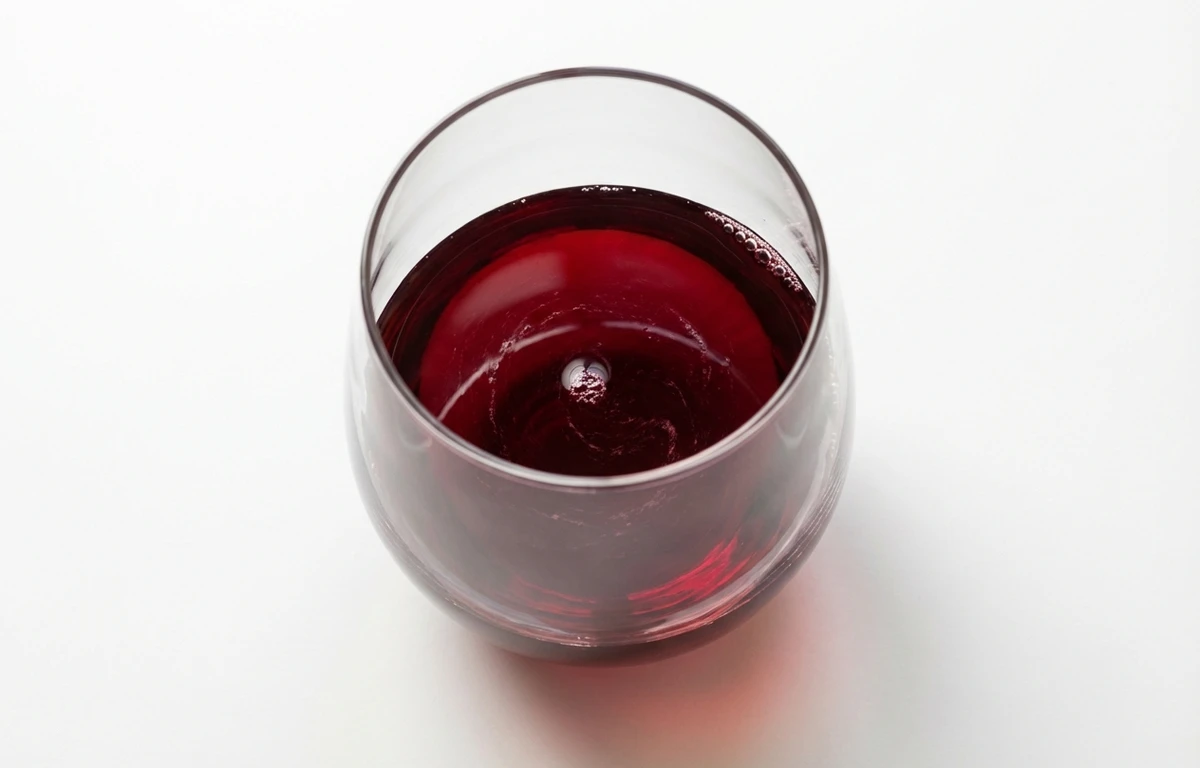
dry red wine.
VegetarianVeganGluten-freeDairy-freeNut-freePeanut-freeSoy-freeEgg-freeShellfish-freeHoney-freeAlcohol-freeHalalFermented
ALSO KNOWN AS
red wineburgundyred
SERVING
CALORIES
85
PROTEIN
0.07g
CARBS
2.6g
FAT
0g
FIBER
0g
NUTRITION PROFILE · per 100 g
Everything in this ingredient.
MACRONUTRIENTS
Calories85kcal—
Protein0.07g0%
Carbohydrates2.6g1%
Fiber0g0%
Sugar0.62g1%
Total fat0g0%
Saturated fat0g0%
Trans fat0g—
Cholesterol0mg0%
Water86.5g—
MINERALS
Sodium4.0mg0%
Potassium127mg3%
Calcium8.0mg1%
Iron0.46mg3%
Magnesium12mg3%
Phosphorus23mg2%
Zinc0.14mg1%
Copper0.01mg1%
Manganese0.13mg6%
Selenium0.20µg0%
VITAMINS
Vitamin A0µg0%
Vitamin C0mg0%
Vitamin D0µg0%
Vitamin E0mg0%
Vitamin K0.40µg0%
Thiamin (B1)0.01mg1%
Riboflavin (B2)0.03mg2%
Niacin (B3)0.22mg1%
Pantothenic acid (B5)0.03mg1%
Vitamin B60.06mg4%
Folate (B9)1.0µg0%
Vitamin B120µg0%
%DV based on a 2,000 cal diet. Source: USDA FoodData Central. A dash in the %DV column means there’s no established Daily Value for that nutrient.
MEASUREMENT CONVERSIONS
How much is what.
1 cup236.6g
1 tablespoon14.7g
1 teaspoon4.9g
1 ml1g
1 liter980g
HEALTH BENEFITS
Why eat it.
- ✓Contains antioxidants like resveratrol and flavonoids, which may help protect against cellular damage from free radicals.
- ✓Moderate consumption has been linked to improved cardiovascular health, including better cholesterol levels and reduced risk of heart disease.
- ✓May support gut health by promoting the growth of beneficial gut bacteria due to its polyphenol content.
- ✓The compound resveratrol found in red wine has been studied for its potential to support brain health and longevity.
COOKING TIPS
In the kitchen.
- 1Use to deglaze pans after searing meat to lift the flavorful browned bits (fond) and create a rich pan sauce.
- 2Incorporate into braises, stews, and marinades to add depth, acidity, and help tenderize tougher cuts of meat.
- 3When making a reduction sauce, simmer the wine slowly to cook off the harsh alcohol taste and concentrate its rich, fruity flavors.
- 4Always cook with a wine you would be willing to drink; its quality will directly impact the flavor of your dish.
STORAGE
Keep it fresh.
- Store unopened bottles horizontally in a cool, dark place, ideally between 45-65°F (7-18°C), to keep the cork moist and prevent oxidation.
- After opening, recork tightly or use a wine stopper and store in the refrigerator for 3-5 days to slow down the oxidation process.
FAQ
Frequently asked questions.
Is dry red wine healthy?
Moderate consumption of dry red wine has been linked to several health benefits. It contains antioxidants like resveratrol and flavonoids, which may help protect cells from damage. It's also associated with improved cardiovascular health and potential gut health benefits.
How many calories and carbohydrates are in dry red wine?
A 100g serving of dry red wine typically contains about 85 calories and 2.61g of carbohydrates. It has negligible protein (0.07g) and no fat (0g).
Is dry red wine good for heart health?
Yes, moderate consumption of dry red wine has been linked to improved cardiovascular health. Its polyphenol content, including resveratrol, may help improve cholesterol levels and reduce the risk of heart disease. However, excessive consumption can have adverse effects.
Is dry red wine vegan?
Not all dry red wines are vegan. Some winemakers use animal-derived fining agents like casein (milk protein), albumin (egg whites), or isinglass (fish bladder) to clarify the wine. Look for wines explicitly labeled "vegan" or "unfined/unfiltered" if you follow a vegan diet.
Can diabetics drink dry red wine?
Dry red wine is generally lower in sugar and carbohydrates compared to sweeter wines, making it a potentially better choice for diabetics in moderation. A 100g serving contains about 2.61g of carbs. However, it's crucial for individuals with diabetes to consult their doctor regarding alcohol consumption and monitor blood sugar levels carefully.
Is dry red wine keto-friendly?
Yes, dry red wine can be considered keto-friendly in moderation due to its relatively low carbohydrate content. A typical 100g serving contains around 2.61g of carbs. Always check the specific wine's nutritional information, as carb content can vary.
What does dry red wine taste like?
Dry red wine typically has flavors ranging from red and black fruits (like cherry, currant, plum) to earthy notes (like mushroom, tobacco, leather) and spices (like vanilla, clove). It has a noticeable tannic structure, which contributes to a drying sensation in the mouth, and a less sweet profile compared to semi-dry or sweet wines.
What are common uses for dry red wine in cooking?
Dry red wine is excellent for deglazing pans, creating rich sauces for meats like beef and lamb, and braising dishes. It adds depth and complexity to stews, marinades, and reductions. Popular choices include Cabernet Sauvignon, Merlot, or Pinot Noir.
How should I store dry red wine?
Unopened bottles of dry red wine should be stored in a cool, dark place with a consistent temperature, ideally between 50-59°F (10-15°C). Store bottles on their side to keep the cork moist and prevent oxidation. Avoid extreme temperature fluctuations and direct sunlight.
How long does an open bottle of dry red wine last?
Once opened, dry red wine typically lasts for 3-5 days when properly re-sealed and stored in the refrigerator. The exposure to oxygen will gradually cause the wine to oxidize and lose its fresh flavors. Using a wine stopper or vacuum pump can help extend its life slightly.
RECIPES
Cook with dry red wine.
10 recipes · sorted by what’s quick