Other3 recipes
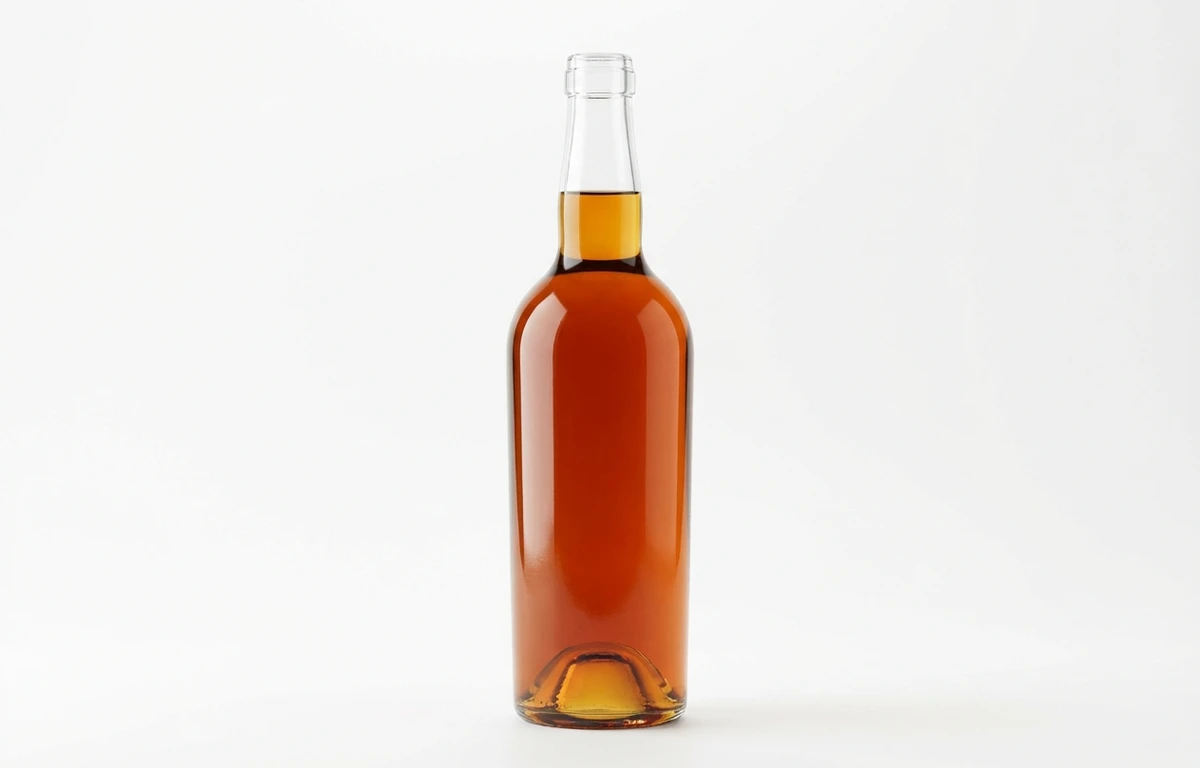
dry marsala wine.
VegetarianVeganGluten-freeDairy-freeNut-freePeanut-freeSoy-freeEgg-freeShellfish-freeHoney-freeAlcohol-freeHalalFermented
SERVING
CALORIES
104
PROTEIN
0.10g
CARBS
5.3g
FAT
0g
FIBER
0g
NUTRITION PROFILE · per 100 g
Everything in this ingredient.
MACRONUTRIENTS
Calories104kcal—
Protein0.10g0%
Carbohydrates5.3g2%
Fiber0g0%
Sugar1.1g2%
Total fat0g0%
Trans fat0g—
Water72.5g—
MINERALS
Sodium10mg0%
Potassium125mg3%
Calcium11mg1%
Iron0.24mg1%
Magnesium9.0mg2%
Phosphorus9.0mg1%
Zinc0.07mg1%
Copper0.05mg6%
Manganese0.12mg5%
Selenium0.50µg1%
VITAMINS
Vitamin E0mg0%
Vitamin K0µg0%
Thiamin (B1)0.02mg2%
Riboflavin (B2)0.02mg2%
Niacin (B3)0.21mg1%
Pantothenic acid (B5)0.03mg1%
Vitamin B60mg0%
Folate (B9)0µg0%
Vitamin B120µg0%
%DV based on a 2,000 cal diet. Source: USDA FoodData Central. A dash in the %DV column means there’s no established Daily Value for that nutrient.
MEASUREMENT CONVERSIONS
How much is what.
1 cup232g
1 tablespoon14.5g
1 teaspoon4.8g
1 ml1g
1 liter966.7g
HEALTH BENEFITS
Why eat it.
- ✓Contains antioxidants, such as resveratrol and flavonoids from grapes, which can help combat oxidative stress.
- ✓In moderate consumption, compounds in wine may contribute to heart health by potentially improving cholesterol levels.
- ✓The polyphenols present in Marsala wine may possess anti-inflammatory properties.
COOKING TIPS
In the kitchen.
- 1Ideal for creating rich, savory pan sauces for dishes like Chicken Marsala or Veal Marsala, where its nutty, caramelized flavor can shine.
- 2Use it to deglaze a pan after searing meat or sautéing mushrooms and shallots to lift the flavorful browned bits (fond) from the bottom.
- 3Always allow the wine to reduce by at least half when cooking to cook off the harsh alcohol taste and concentrate its complex flavors.
- 4Balance its richness with a splash of acidity, like lemon juice, or creaminess from butter or heavy cream at the end of cooking.
STORAGE
Keep it fresh.
- Store unopened bottles in a cool, dark place away from direct sunlight and temperature fluctuations, ideally around 55°F (13°C).
- After opening, re-cork the bottle tightly and store it in the refrigerator. As a fortified wine, it will remain fresh for cooking for about 1-3 months.
FAQ
Frequently asked questions.
Is dry Marsala wine healthy?
Yes, in moderation, dry Marsala wine offers some health benefits. It contains antioxidants like resveratrol and flavonoids from grapes, which can help combat oxidative stress. Moderate consumption may also contribute to heart health and possess anti-inflammatory properties due to polyphenols.
What are the nutritional facts for dry Marsala wine?
Per 100g, dry Marsala wine contains approximately 152 calories and 11.67g of carbohydrates. It has a negligible amount of protein (0.2g) and no fat. These values can vary slightly by brand and specific alcohol content.
Is dry Marsala wine keto-friendly or low-carb?
With about 11.67g of carbohydrates per 100g, dry Marsala wine is not considered low-carb or keto-friendly, especially compared to very dry table wines. While some carbs cook off during cooking, it's still a significant source of sugar for strict low-carb diets.
Is dry Marsala wine vegan?
Dry Marsala wine may not always be vegan. Traditional winemaking processes sometimes use fining agents like casein (milk protein), albumin (egg whites), or isinglass (fish bladder) to clarify the wine. Look for wines specifically labeled "vegan" if this is a concern.
What does dry Marsala wine taste like and what is it used for in cooking?
Dry Marsala wine has a complex flavor profile with notes of dried fruit, nuts, and sometimes caramel or vanilla, but with less sweetness than its sweet counterpart. It's primarily used in savory dishes like Chicken Marsala, veal dishes, mushroom sauces, and risottos, adding depth and richness.
Can I substitute dry Marsala wine in recipes?
For a non-alcoholic substitute, use a mixture of chicken or vegetable broth with a splash of sherry vinegar or balsamic vinegar. For an alcoholic substitute, dry sherry or Madeira wine can be used, though the flavor profile will differ slightly.
How do you store dry Marsala wine?
Unopened dry Marsala wine should be stored upright in a cool, dark place away from direct sunlight and temperature fluctuations. Once opened, it should be tightly re-corked and stored in the refrigerator to slow down oxidation.
How long does dry Marsala wine last once opened?
Once opened and properly re-corked, dry Marsala wine can last for about 4-6 weeks in the refrigerator. Its fortified nature helps it last longer than regular table wines, but its flavor will gradually diminish over time.
What is the difference between dry and sweet Marsala wine?
The primary difference is the sugar content. Dry Marsala (Secco) has less than 40 grams of residual sugar per liter and is used for savory cooking. Sweet Marsala (Semisecco or Dolce) has higher sugar content and is typically used for desserts or as a sipping wine.
Does dry Marsala wine contain alcohol?
Yes, dry Marsala wine is a fortified wine and contains alcohol. Its alcohol content typically ranges from 15% to 20% ABV (alcohol by volume), which is higher than most unfortified table wines.
RECIPES
Cook with dry marsala wine.
3 recipes · sorted by what’s quick