Seafood
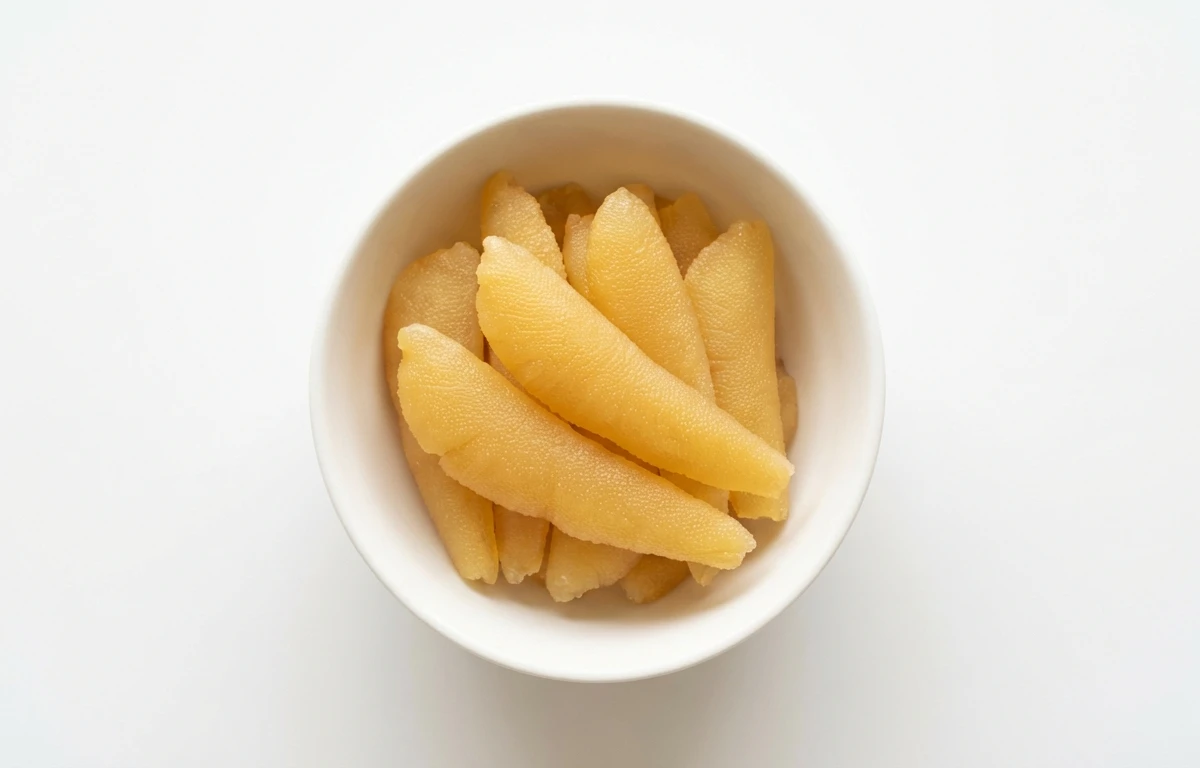
dry herring eggs.
VegetarianVeganGluten-freeDairy-freeNut-freePeanut-freeSoy-freeEgg-freeShellfish-freeHoney-freeAlcohol-free
ALSO KNOWN AS
herring eggs
SERVING
CALORIES
312
PROTEIN
45.2g
CARBS
1.5g
FAT
13.8g
FIBER
0g
NUTRITION PROFILE · per 100 g
Everything in this ingredient.
MACRONUTRIENTS
Calories312kcal—
Protein45.2g90%
Carbohydrates1.5g1%
Fiber0g0%
Sugar0g0%
Total fat13.8g18%
Saturated fat2.9g14%
Trans fat0g—
Cholesterol480mg160%
Water28.5g—
MINERALS
Sodium1850mg80%
Potassium320mg7%
Calcium85mg7%
Iron1.2mg7%
Magnesium45mg11%
Phosphorus420mg34%
Zinc1.8mg16%
Copper0.15mg17%
Manganese0.05mg2%
Selenium65µg118%
VITAMINS
Vitamin A45µg5%
Vitamin C0mg0%
Vitamin D5.5µg28%
Vitamin E1.2mg8%
Vitamin K0.50µg0%
Thiamin (B1)0.12mg10%
Riboflavin (B2)0.45mg35%
Niacin (B3)2.8mg18%
Pantothenic acid (B5)1.5mg30%
Vitamin B60.25mg15%
Folate (B9)12µg3%
Vitamin B1215µg625%
%DV based on a 2,000 cal diet. Source: USDA FoodData Central. A dash in the %DV column means there’s no established Daily Value for that nutrient.
MEASUREMENT CONVERSIONS
How much is what.
1 cup201.1g
1 tablespoon12.6g
1 teaspoon4.2g
1 oz28.4g
1 lb453.6g
1 ml0.9g
1 liter850g
HEALTH BENEFITS
Why eat it.
- ✓Rich in omega-3 fatty acids (DHA and EPA), which support brain health and cardiovascular function.
- ✓Excellent source of Vitamin D, essential for calcium absorption and bone health.
- ✓High in Vitamin B12, which is crucial for nerve function and the formation of red blood cells.
- ✓Provides a concentrated source of high-quality protein and essential amino acids.
COOKING TIPS
In the kitchen.
- 1Typically requires rehydration before use. Soak in water or a seasoned liquid like dashi until pliable.
- 2After rehydrating, it's often marinated in a mixture of dashi, soy sauce, and mirin, a preparation known as Kazunoko in Japan.
- 3Use as a garnish or topping for rice bowls, salads, or canapés to add a salty flavor and a unique, crunchy texture.
- 4Can be lightly pan-seared or grilled after rehydration to intensify its savory flavor.
STORAGE
Keep it fresh.
- Store in a cool, dry, and dark place in an airtight container to protect from moisture and light.
- For long-term preservation, refrigerate for up to several months or freeze for up to a year.
FAQ
Frequently asked questions.
Are dry herring eggs healthy?
Yes, dry herring eggs are very healthy. They are an excellent source of omega-3 fatty acids (DHA and EPA), vital for brain and heart health. They also provide high-quality protein, Vitamin D for bone health, and Vitamin B12 for nerve function.
What are the main nutritional benefits of dry herring eggs?
Dry herring eggs are rich in omega-3 fatty acids, particularly DHA and EPA, which support cardiovascular and cognitive health. They are also an excellent source of Vitamin D, crucial for calcium absorption, and Vitamin B12, essential for nerve function and red blood cell formation. Additionally, they offer a concentrated source of high-quality protein.
How much protein and calories are in dry herring eggs?
Per 100g, dry herring eggs contain approximately 312 calories and a significant 45.2g of protein. They also provide 13.8g of fat and 1.5g of carbohydrates, making them a very nutrient-dense food.
Are dry herring eggs gluten-free?
Yes, dry herring eggs are naturally gluten-free. As a pure seafood product, they do not contain wheat, barley, or rye, making them suitable for individuals following a gluten-free diet.
Are dry herring eggs suitable for a keto diet?
Yes, dry herring eggs are generally suitable for a keto diet. With only 1.5g of carbohydrates per 100g and high protein and fat content, they fit well within the low-carb requirements of a ketogenic lifestyle.
How are dry herring eggs typically prepared or eaten?
Dry herring eggs are often rehydrated before use, then lightly fried, grilled, or added to soups and stews. They can also be crumbled and used as a savory topping for rice, salads, or other dishes, providing a rich umami flavor.
What is the flavor and texture of dry herring eggs?
Dry herring eggs have a distinct savory, briny, and slightly fishy flavor, often described as umami-rich. When rehydrated and cooked, they have a firm, somewhat chewy texture that can be quite satisfying.
How should dry herring eggs be stored?
Dry herring eggs should be stored in an airtight container in a cool, dry place away from direct sunlight. For extended freshness, especially in humid climates, refrigeration is recommended.
How long do dry herring eggs last?
When stored properly in a cool, dry place, dry herring eggs can last for several months, typically up to 6-12 months. Refrigeration can further extend their shelf life. Always check for any signs of spoilage before consumption.
Can dry herring eggs be eaten raw?
While technically possible, dry herring eggs are typically rehydrated and cooked before consumption to improve texture and flavor. Eating them raw might be too tough and intensely salty for most palates, and cooking can also enhance digestibility.