Nut Seed
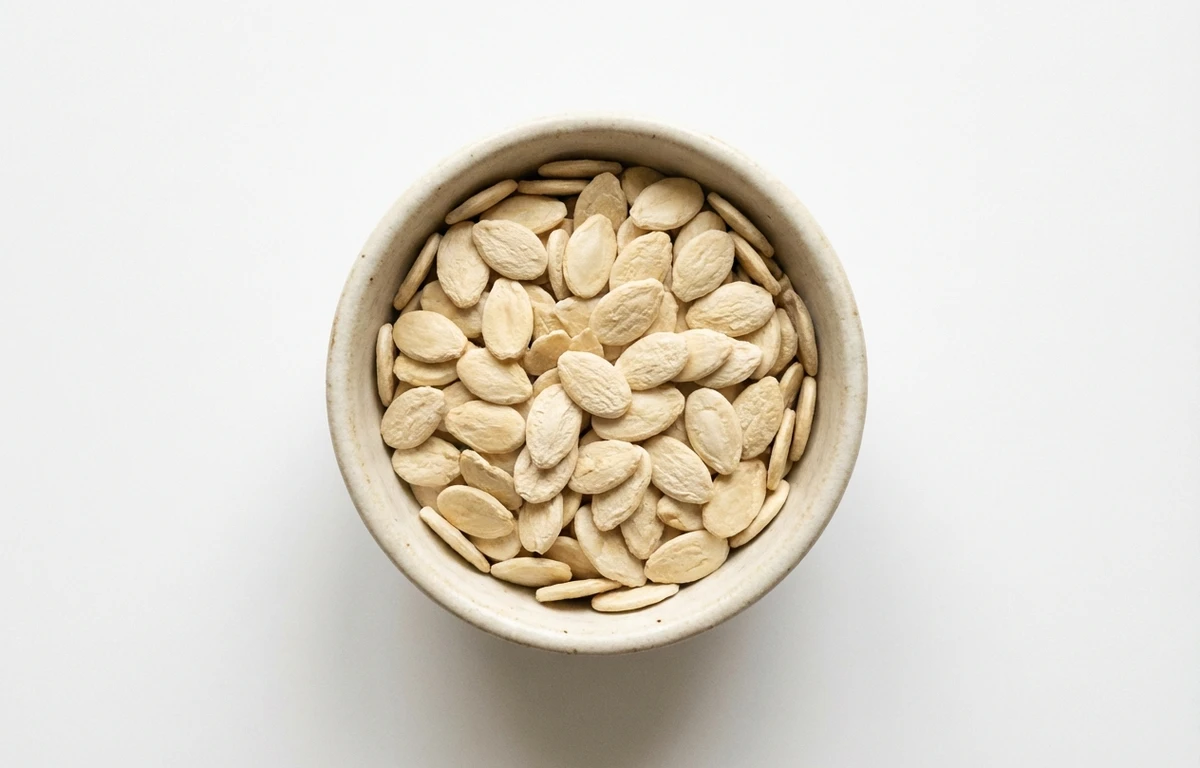
dried watermelon seed kernels.
VegetarianVeganGluten-freeDairy-freeNut-freePeanut-freeSoy-freeEgg-freeShellfish-freeHoney-freeAlcohol-free
ALSO KNOWN AS
watermelon seeds
SERVING
CALORIES
557
PROTEIN
28.3g
CARBS
15.3g
FAT
47.4g
FIBER
0g
NUTRITION PROFILE · per 100 g
Everything in this ingredient.
MACRONUTRIENTS
Calories557kcal—
Protein28.3g57%
Carbohydrates15.3g6%
Total fat47.4g61%
Saturated fat9.8g49%
Cholesterol0mg0%
Water5.0g—
MINERALS
Sodium99mg4%
Potassium648mg14%
Calcium54mg4%
Iron7.3mg40%
Magnesium515mg123%
Phosphorus755mg60%
Zinc10.2mg93%
Copper0.69mg77%
Manganese1.6mg70%
VITAMINS
Vitamin A0µg0%
Vitamin C0mg0%
Vitamin D0µg0%
Thiamin (B1)0.19mg16%
Riboflavin (B2)0.15mg12%
Niacin (B3)3.5mg22%
Pantothenic acid (B5)0.35mg7%
Vitamin B60.09mg5%
Folate (B9)58µg14%
Vitamin B120µg0%
%DV based on a 2,000 cal diet. Source: USDA FoodData Central. A dash in the %DV column means there’s no established Daily Value for that nutrient.
MEASUREMENT CONVERSIONS
How much is what.
1 cup108g
1 tablespoon6.8g
1 teaspoon2.3g
1 ml0.5g
1 liter450g
HEALTH BENEFITS
Why eat it.
- ✓Excellent source of magnesium, which is vital for nerve function, muscle control, and blood pressure regulation.
- ✓Rich in healthy fats, including monounsaturated and polyunsaturated fatty acids, which support heart health.
- ✓Good source of plant-based protein and amino acids like arginine, which may help improve blood flow.
- ✓Contains important minerals like zinc for immune support and iron for oxygen transport.
COOKING TIPS
In the kitchen.
- 1Roast the kernels in an oven at 325°F (160°C) for 10-15 minutes with a light coating of oil and seasonings for a crunchy snack.
- 2Grind the dried kernels into a powder to be used as a nutrient-dense flour in baking or as a thickener for soups and stews.
- 3Sprinkle whole or chopped kernels over salads, yogurt, oatmeal, or smoothie bowls for added texture and nutrition.
- 4Blend with water and strain to create a creamy, dairy-free seed milk.
STORAGE
Keep it fresh.
- Store in an airtight container in a cool, dark, and dry place, such as a pantry, for up to 6 months.
- For longer-term storage (up to a year), place the airtight container in the refrigerator or freezer to prevent the natural oils from going rancid.
FAQ
Frequently asked questions.
Are dried watermelon seed kernels healthy?
Yes, dried watermelon seed kernels are very healthy. They are an excellent source of magnesium, which is vital for nerve function and blood pressure regulation. They also provide healthy fats, plant-based protein, and essential minerals like zinc and iron, supporting overall well-being.
What is the nutritional content of dried watermelon seed kernels?
Per 100g, dried watermelon seed kernels contain approximately 557 calories, 28.33g of protein, 15.31g of carbohydrates, and 47.37g of fat. They are particularly rich in healthy fats, including monounsaturated and polyunsaturated fatty acids, and offer a significant amount of plant-based protein.
Are dried watermelon seed kernels good for weight loss?
While dried watermelon seed kernels are calorie-dense due to their healthy fat content, their high protein and fiber can contribute to satiety, potentially reducing overall food intake. Consumed in moderation as part of a balanced diet, they can be a nutritious and filling snack that supports a healthy metabolism.
Are dried watermelon seed kernels vegan and gluten-free?
Yes, dried watermelon seed kernels are naturally vegan as they are a plant-based food. They are also naturally gluten-free, making them a suitable snack or ingredient for individuals following a gluten-free diet.
Are dried watermelon seed kernels keto-friendly?
With approximately 15.31g of carbohydrates per 100g, dried watermelon seed kernels can be incorporated into a ketogenic diet in moderation. Their high fat and protein content make them a good option for adding nutrients and satiety, but portion control is key to staying within daily carb limits.
How do you eat or prepare dried watermelon seed kernels?
Dried watermelon seed kernels can be enjoyed raw, roasted, or sprouted. They make a great addition to salads, yogurt, oatmeal, and smoothies, or can be blended into seed butter. Roasting them lightly enhances their nutty flavor and crunch.
What do dried watermelon seed kernels taste like?
Dried watermelon seed kernels have a mild, slightly nutty, and earthy flavor. When roasted, their taste becomes more pronounced and savory, often compared to sunflower seeds or pumpkin seeds, but with a unique subtle sweetness.
How should I store dried watermelon seed kernels?
To maintain freshness, store dried watermelon seed kernels in an airtight container in a cool, dark, and dry place. For extended shelf life, especially in warmer climates, refrigeration or freezing can help prevent them from going rancid due to their high oil content.
Do dried watermelon seed kernels need to be roasted before eating?
No, dried watermelon seed kernels do not need to be roasted and can be eaten raw. However, roasting them lightly in a dry pan or oven can significantly enhance their flavor, making them crunchier and more aromatic, which many people prefer.
Can people with nut allergies eat watermelon seeds?
Watermelon seeds are not tree nuts or peanuts, so they are generally considered safe for individuals with nut allergies. However, cross-contamination can occur during processing, so always check product labels for allergen warnings if you have severe allergies.