Herb
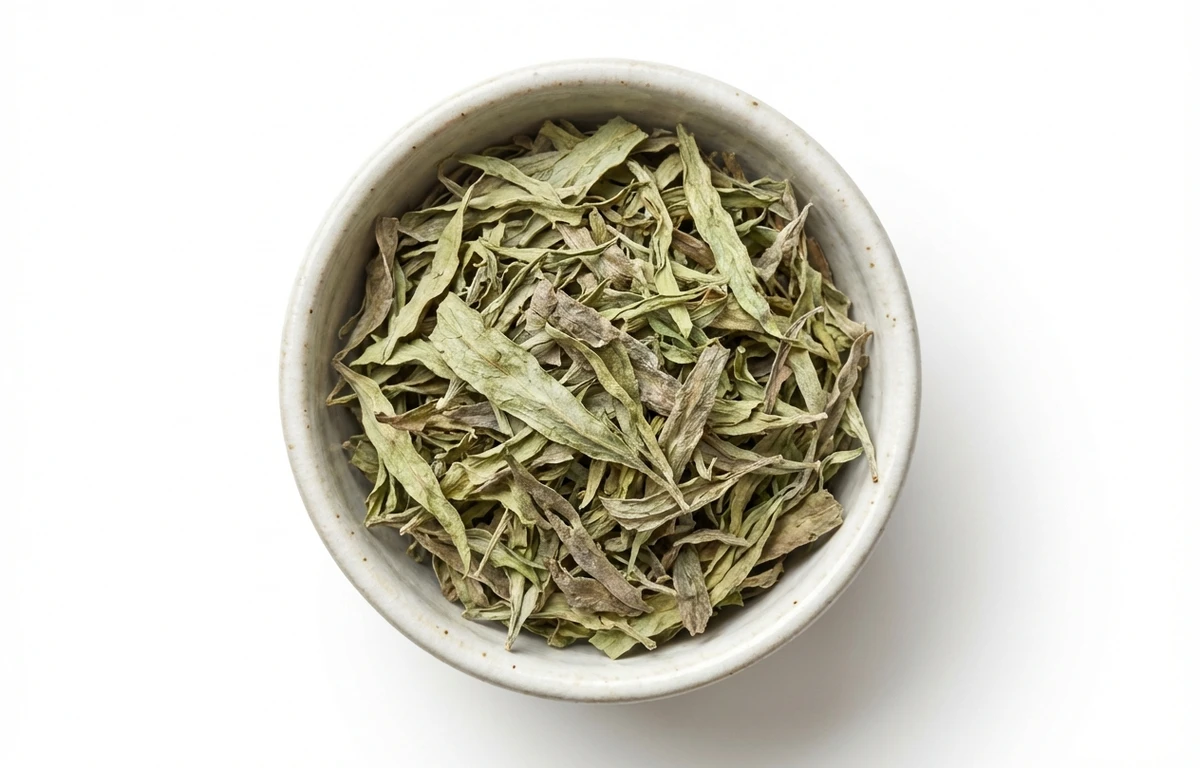
dried tarragon.
VegetarianVeganGluten-freeDairy-freeNut-freePeanut-freeSoy-freeEgg-freeShellfish-freeHoney-freeAlcohol-free
SERVING
CALORIES
295
PROTEIN
22.8g
CARBS
50.2g
FAT
7.2g
FIBER
7.4g
NUTRITION PROFILE · per 100 g
Everything in this ingredient.
MACRONUTRIENTS
Calories295kcal—
Protein22.8g46%
Carbohydrates50.2g18%
Fiber7.4g26%
Sugar0g0%
Total fat7.2g9%
Saturated fat1.9g10%
Trans fat0g—
Cholesterol0mg0%
Water7.7g—
MINERALS
Sodium62mg3%
Potassium3020mg64%
Calcium1139mg88%
Iron32.3mg179%
Magnesium347mg83%
Phosphorus313mg25%
Zinc3.9mg35%
Copper0.67mg74%
Manganese7.9mg343%
Selenium4.4µg8%
VITAMINS
Vitamin A210µg23%
Vitamin C50mg56%
Vitamin D0µg0%
Vitamin E0mg0%
Vitamin K0µg0%
Thiamin (B1)0.25mg21%
Riboflavin (B2)1.3mg103%
Niacin (B3)8.9mg56%
Pantothenic acid (B5)0mg0%
Vitamin B62.4mg142%
Folate (B9)274µg69%
Vitamin B120µg0%
%DV based on a 2,000 cal diet. Source: USDA FoodData Central. A dash in the %DV column means there’s no established Daily Value for that nutrient.
MEASUREMENT CONVERSIONS
How much is what.
1 cup32.2g
1 tablespoon2g
1 teaspoon0.7g
1 oz28.4g
1 lb453.6g
1 ml0.1g
1 liter136g
HEALTH BENEFITS
Why eat it.
- ✓Rich in antioxidants and contains beneficial nutrients like manganese, iron, and potassium.
- ✓May help improve insulin sensitivity, potentially aiding in blood sugar regulation.
- ✓Traditionally used as a digestive tonic to help soothe the stomach and improve appetite.
- ✓Contains compounds that may have sedative properties, potentially aiding in sleep quality.
COOKING TIPS
In the kitchen.
- 1Use sparingly as its anise-like flavor is more concentrated than fresh tarragon; a common substitution is 1 teaspoon dried for 1 tablespoon fresh.
- 2A cornerstone of French cuisine, it pairs exceptionally well with chicken, fish, egg dishes, and is essential for Béarnaise sauce.
- 3For best flavor retention in hot dishes like soups or stews, add it during the last 10-15 minutes of cooking.
- 4Rehydrate dried tarragon in a small amount of warm water or lemon juice for a few minutes before adding to salads or dressings to soften its texture.
STORAGE
Keep it fresh.
- Store in a tightly sealed, airtight container away from direct sunlight, heat, and moisture.
- Keep in a cool, dark place like a pantry or spice cabinet to preserve its flavor and aroma for up to 1-3 years.
FAQ
Frequently asked questions.
Is dried tarragon healthy?
Yes, dried tarragon is considered healthy. It is rich in antioxidants and provides beneficial nutrients like manganese, iron, and potassium. It's also traditionally used for digestive support and may offer benefits for blood sugar regulation.
What are the key nutritional components of dried tarragon?
Per 100g, dried tarragon contains approximately 295 calories, 22.8g protein, 50.2g carbohydrates, and 7.2g fat. While these numbers seem high, tarragon is used in very small quantities, so its caloric and macronutrient contribution to a meal is minimal.
Can dried tarragon help regulate blood sugar?
Some studies suggest that tarragon may help improve insulin sensitivity, potentially aiding in blood sugar regulation. This makes it a beneficial herb for those looking to support metabolic health, though it should not replace medical treatment.
Is dried tarragon vegan and gluten-free?
Yes, dried tarragon is naturally vegan as it is a plant-based herb. It is also inherently gluten-free, making it a safe and suitable ingredient for individuals following vegan diets or those with celiac disease or gluten sensitivities.
Is dried tarragon keto-friendly?
While dried tarragon has 50.2g of carbs per 100g, it is used in very small amounts (typically a teaspoon or less per serving). In typical culinary quantities, its carbohydrate contribution is negligible, making it suitable for a ketogenic diet.
What does dried tarragon taste like and what dishes is it best for?
Dried tarragon has a distinct bittersweet flavor with notes of anise, licorice, and a hint of vanilla. It's a classic herb in French cuisine, excellent in béarnaise sauce, chicken dishes, fish, eggs, and vinaigrettes, particularly with poultry and seafood.
How should I use dried tarragon in cooking compared to fresh tarragon?
Dried tarragon has a more concentrated flavor than fresh, so use about one-third to one-half the amount. It's best added early in the cooking process to allow its flavors to rehydrate and meld, unlike fresh tarragon which is often added towards the end.
How should I store dried tarragon to maintain its flavor?
Store dried tarragon in an airtight container in a cool, dark, and dry place, away from direct sunlight and heat. This helps preserve its volatile oils and distinct flavor, ensuring it remains potent for longer.
How long does dried tarragon typically last?
When stored properly, dried tarragon can retain its potency and flavor for 2-3 years. While it won't spoil in a harmful way, its aroma and taste will gradually diminish over time, so it's best to replace it after this period for optimal culinary results.
Does dried tarragon have any traditional medicinal uses?
Yes, tarragon has been traditionally used as a digestive tonic to help soothe the stomach and improve appetite. It also contains compounds that may have mild sedative properties, potentially aiding in relaxation and improving sleep quality.