Nut Seed
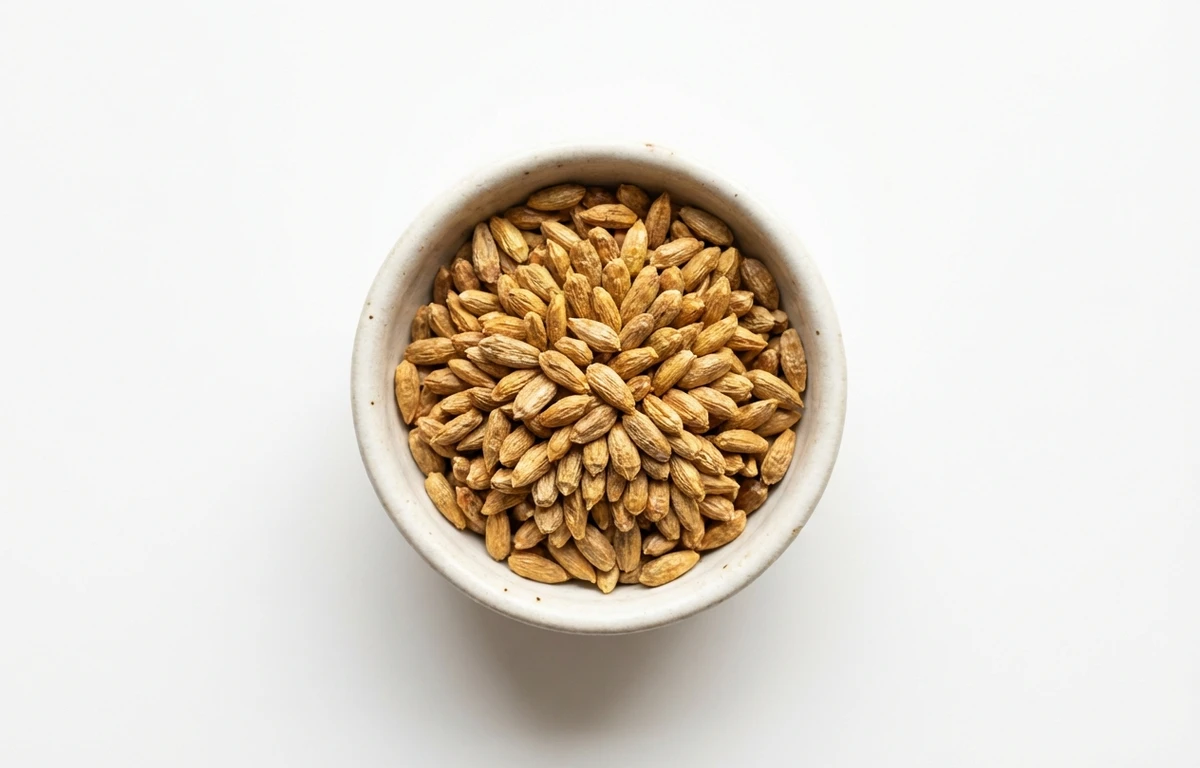
dried safflower seed kernels.
VegetarianVeganGluten-freeDairy-freeNut-freePeanut-freeSoy-freeEgg-freeShellfish-freeHoney-freeAlcohol-free
ALSO KNOWN AS
safflower seeds
SERVING
CALORIES
517
PROTEIN
16.2g
CARBS
34.3g
FAT
38.5g
FIBER
28.1g
NUTRITION PROFILE · per 100 g
Everything in this ingredient.
MACRONUTRIENTS
Calories517kcal—
Protein16.2g32%
Carbohydrates34.3g12%
Fiber28.1g100%
Sugar0g0%
Total fat38.5g49%
Saturated fat3.7g18%
Trans fat0g—
Cholesterol0mg0%
Water5.6g—
MINERALS
Sodium3.0mg0%
Potassium687mg15%
Calcium78mg6%
Iron4.9mg27%
Magnesium353mg84%
Phosphorus644mg52%
Zinc5.0mg46%
Copper1.8mg200%
Manganese2.7mg117%
Selenium12.1µg22%
VITAMINS
Vitamin A3.0µg0%
Vitamin C0mg0%
Vitamin D0µg0%
Vitamin E34.1mg227%
Vitamin K0µg0%
Thiamin (B1)1.2mg97%
Riboflavin (B2)0.41mg32%
Niacin (B3)2.3mg14%
Pantothenic acid (B5)0.30mg6%
Vitamin B61.2mg69%
Folate (B9)160µg40%
Vitamin B120µg0%
%DV based on a 2,000 cal diet. Source: USDA FoodData Central. A dash in the %DV column means there’s no established Daily Value for that nutrient.
MEASUREMENT CONVERSIONS
How much is what.
1 cup140g
1 tablespoon8.8g
1 teaspoon2.9g
1 ml0.6g
1 liter586.7g
HEALTH BENEFITS
Why eat it.
- ✓Rich in heart-healthy unsaturated fats (linoleic or oleic acid), which can help lower LDL cholesterol levels.
- ✓Excellent source of Vitamin E, a powerful antioxidant that protects cells from oxidative damage.
- ✓Provides essential minerals such as magnesium, phosphorus, and manganese, supporting bone health and metabolic function.
- ✓Contains dietary fiber, which aids in digestion and promotes a feeling of fullness.
COOKING TIPS
In the kitchen.
- 1Toast lightly in a dry skillet over medium heat for 3-5 minutes to enhance their nutty flavor before sprinkling on salads, yogurt, or oatmeal.
- 2Grind the kernels into a meal to use as a gluten-free flour alternative in baking or as a thickener for soups and stews.
- 3Blend with a small amount of oil and salt to create a creamy, homemade seed butter.
- 4Enjoy them raw as a nutritious snack, similar to sunflower seeds.
STORAGE
Keep it fresh.
- Store in an airtight container in a cool, dark, and dry place, like a pantry, for up to 6 months.
- For longer-term storage (up to a year), refrigerate or freeze the kernels to prevent the oils from going rancid.
FAQ
Frequently asked questions.
Are dried safflower seed kernels healthy?
Yes, dried safflower seed kernels are very healthy. They are rich in heart-healthy unsaturated fats, including linoleic and oleic acids, which can help lower LDL cholesterol. They also provide Vitamin E, essential minerals like magnesium and phosphorus, and dietary fiber, supporting overall well-being.
What is the nutritional content of dried safflower seed kernels?
Per 100g, dried safflower seed kernels contain approximately 517 calories, 16.18g of protein, 34.29g of carbohydrates, and 38.45g of fat. They are a calorie-dense food, providing significant energy, protein, and healthy fats.
Can dried safflower seed kernels help with weight loss?
While calorie-dense, the fiber content in safflower seed kernels can promote satiety, potentially reducing overall food intake. Their healthy fats also contribute to a feeling of fullness. However, due to their high calorie count, portion control is crucial when incorporating them into a weight loss diet.
Are dried safflower seed kernels gluten-free?
Yes, dried safflower seed kernels are naturally gluten-free. They are a safe and nutritious option for individuals following a gluten-free diet, provided they haven't been processed in facilities that also handle gluten-containing grains.
Are dried safflower seed kernels keto-friendly?
With 34.29g of carbohydrates per 100g, dried safflower seed kernels are relatively high in carbs for a strict ketogenic diet. While they offer healthy fats, their carb content means they should be consumed in very small quantities or avoided by those aiming for deep ketosis.
Are dried safflower seed kernels vegan?
Yes, dried safflower seed kernels are 100% vegan. They are plant-based seeds and contain no animal products or by-products, making them suitable for a vegan lifestyle.
How can I use dried safflower seed kernels in cooking?
Dried safflower seed kernels can be enjoyed in various ways. They can be sprinkled over salads, yogurt, oatmeal, or incorporated into granola bars and baked goods for added crunch and nutrition. They can also be ground into a meal for use in baking or as a coating.
What do dried safflower seed kernels taste like?
Dried safflower seed kernels have a mild, slightly nutty, and earthy flavor. They are not as intensely flavored as some other seeds, making them versatile for adding texture and nutrition without overpowering other ingredients.
How should I store dried safflower seed kernels?
To maintain freshness and prevent rancidity, store dried safflower seed kernels in an airtight container in a cool, dark place. For longer shelf life, especially in warmer climates, refrigeration or freezing is recommended.
Do dried safflower seed kernels have any common allergens?
Safflower seeds are not considered one of the major allergens. However, like all seeds, they can cause allergic reactions in sensitive individuals. People with allergies to other seeds or plants in the Asteraceae family (like ragweed, marigolds, daisies) might be more susceptible.