Other4 recipes
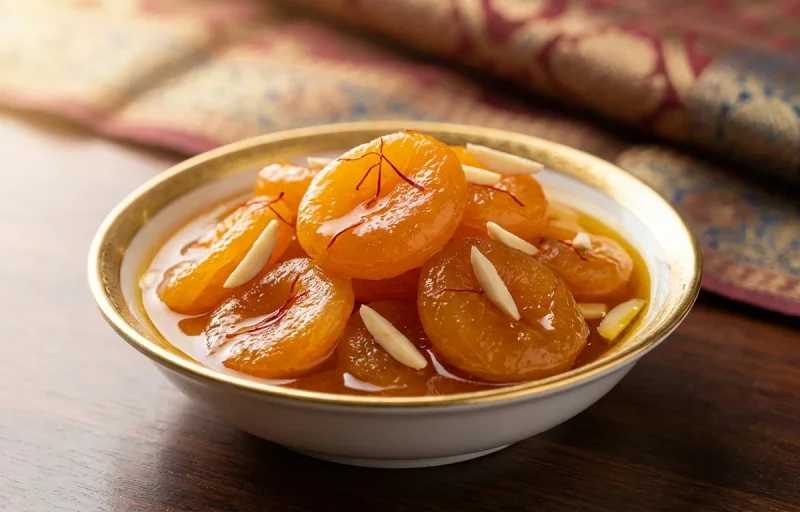
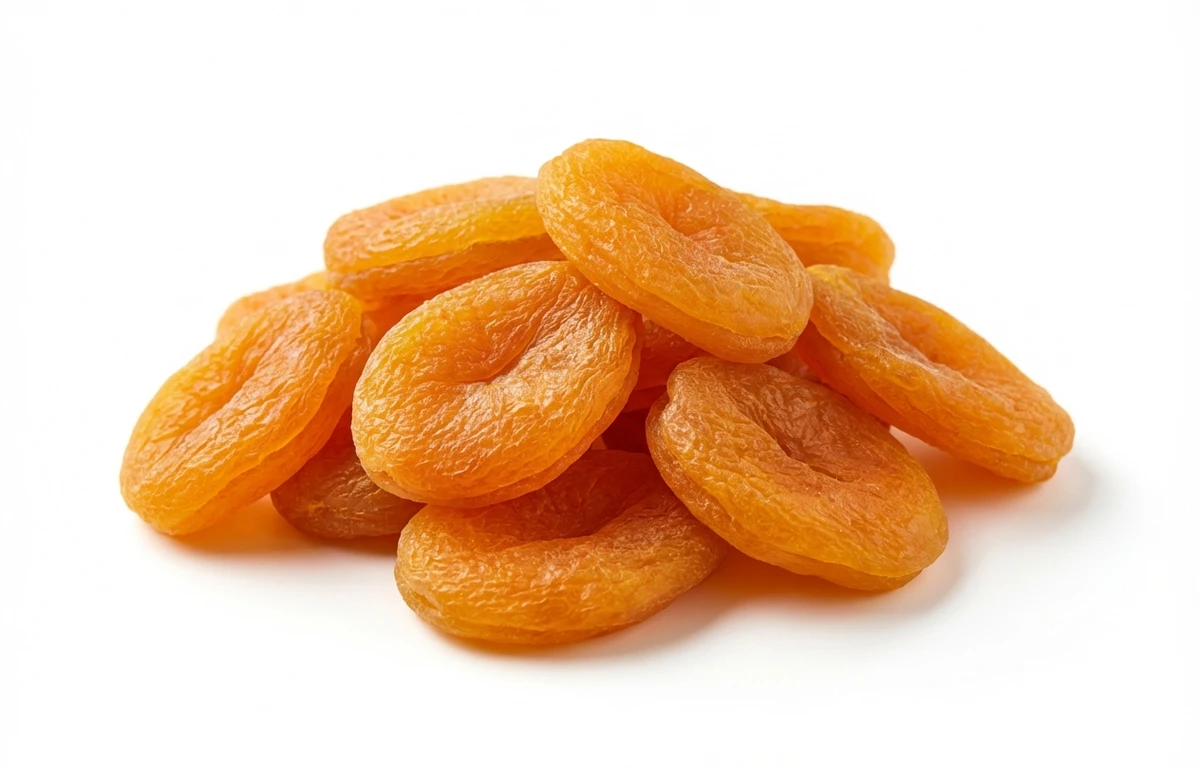
dried apricots.
VegetarianVeganGluten-freeDairy-freeNut-freePeanut-freeSoy-freeEgg-freeShellfish-freeHoney-freeAlcohol-free
ALSO KNOWN AS
dried apricotapricot driedsukha khubani
SERVING
CALORIES
241
PROTEIN
3.4g
CARBS
62.6g
FAT
0.51g
FIBER
7.3g
NUTRITION PROFILE · per 100 g
Everything in this ingredient.
MACRONUTRIENTS
Calories241kcal—
Protein3.4g7%
Carbohydrates62.6g23%
Fiber7.3g26%
Sugar53.4g107%
Total fat0.51g1%
Saturated fat0.02g0%
Cholesterol0mg0%
Water30.9g—
MINERALS
Sodium10mg0%
Potassium1162mg25%
Calcium55mg4%
Iron2.7mg15%
Magnesium32mg8%
Phosphorus71mg6%
Zinc0.39mg4%
Copper0.34mg38%
Manganese0.24mg10%
Selenium2.2µg4%
VITAMINS
Vitamin A180µg20%
Vitamin C1.0mg1%
Vitamin D0µg0%
Vitamin E4.3mg29%
Vitamin K3.1µg3%
Thiamin (B1)0.02mg2%
Riboflavin (B2)0.07mg5%
Niacin (B3)2.6mg16%
Pantothenic acid (B5)0.52mg10%
Vitamin B60.14mg8%
Folate (B9)10µg3%
Vitamin B120µg0%
%DV based on a 2,000 cal diet. Source: USDA FoodData Central. A dash in the %DV column means there’s no established Daily Value for that nutrient.
MEASUREMENT CONVERSIONS
How much is what.
1 cup130g
1 tablespoon8.1g
1 teaspoon2.7g
1 ml0.5g
1 liter541.7g
HEALTH BENEFITS
Why eat it.
- ✓Rich in dietary fiber, which aids digestion and can help prevent constipation.
- ✓Excellent source of Vitamin A (as beta-carotene), crucial for eye health and immune function.
- ✓High in potassium, a mineral that helps regulate blood pressure and fluid balance.
- ✓Contains iron, which is important for red blood cell production and preventing anemia.
- ✓Provides antioxidants like carotenoids and flavonoids that help protect cells from damage.
COOKING TIPS
In the kitchen.
- 1To rehydrate or 'plump' dried apricots, soak them in hot water, fruit juice, or liqueur for 15-30 minutes before using in recipes.
- 2Chop and add to savory dishes like Moroccan tagines, stews, or rice pilafs for a touch of sweetness.
- 3Incorporate into baked goods such as scones, muffins, and breads, or use as a filling for tarts.
- 4Blend with a little water to create a natural fruit puree that can be used as a sweetener or a base for sauces and glazes.
STORAGE
Keep it fresh.
- Store in an airtight container in a cool, dark, and dry place like a pantry for up to 6 months.
- For longer storage (6-12 months), place the airtight container in the refrigerator to maintain moisture and prevent spoilage.
FAQ
Frequently asked questions.
Are dried apricots healthy?
Yes, dried apricots are very healthy. They are rich in dietary fiber, which aids digestion, and an excellent source of Vitamin A (beta-carotene) for eye health and immune function. They also provide potassium, iron, and antioxidants, contributing to overall well-being.
How many calories and carbs are in dried apricots?
Per 100g, dried apricots contain approximately 241 calories and 62.64g of carbohydrates. While they are a concentrated source of energy, their high fiber content helps manage blood sugar response compared to simple sugars.
Are dried apricots good for weight loss?
Dried apricots can be part of a weight-loss diet in moderation. Their high fiber content promotes satiety, which can help reduce overall calorie intake. However, they are calorie-dense, so portion control is crucial to avoid excessive calorie consumption.
Are dried apricots vegan and gluten-free?
Yes, dried apricots are naturally vegan as they are a fruit product with no animal ingredients. They are also naturally gluten-free, making them suitable for individuals with celiac disease or gluten sensitivity.
Can diabetics eat dried apricots?
Diabetics can eat dried apricots in small, controlled portions. While they contain natural sugars, their fiber content helps slow sugar absorption. It's best to consume them with protein or fat to further mitigate blood sugar spikes and monitor portion sizes carefully.
How can I use dried apricots in cooking?
Dried apricots are versatile in cooking. They can be added to oatmeal, yogurt, salads, and trail mixes. They also work well in baked goods like muffins and cookies, or in savory dishes such as tagines, stuffings, and chutneys for a sweet and tangy flavor.
Do dried apricots need to be rehydrated before use?
It depends on the recipe. For softer textures in baked goods or stews, rehydrating them in warm water or juice for 15-30 minutes can be beneficial. However, for snacks, trail mixes, or when a chewier texture is desired, they can be used directly from the package.
How should I store dried apricots?
Store dried apricots in an airtight container in a cool, dark, and dry place, such as a pantry. This prevents them from drying out further or absorbing moisture, which can lead to spoilage. For longer storage, they can be refrigerated or frozen.
How long do dried apricots last?
When stored properly in an airtight container in a pantry, dried apricots can last for 6-12 months. Refrigeration can extend their shelf life to 1-2 years, and freezing can keep them fresh for even longer, up to several years.
Why are some dried apricots orange and others dark?
The color difference is primarily due to the use of sulfur dioxide. Bright orange apricots are typically treated with sulfur dioxide to preserve their color and extend shelf life. Darker, brownish apricots are usually unsulfured, meaning they have been dried naturally and allowed to oxidize, which darkens their color but doesn't affect their nutritional value.
RECIPES
Cook with dried apricots.
4 recipes · sorted by what’s quick