Other10 recipes
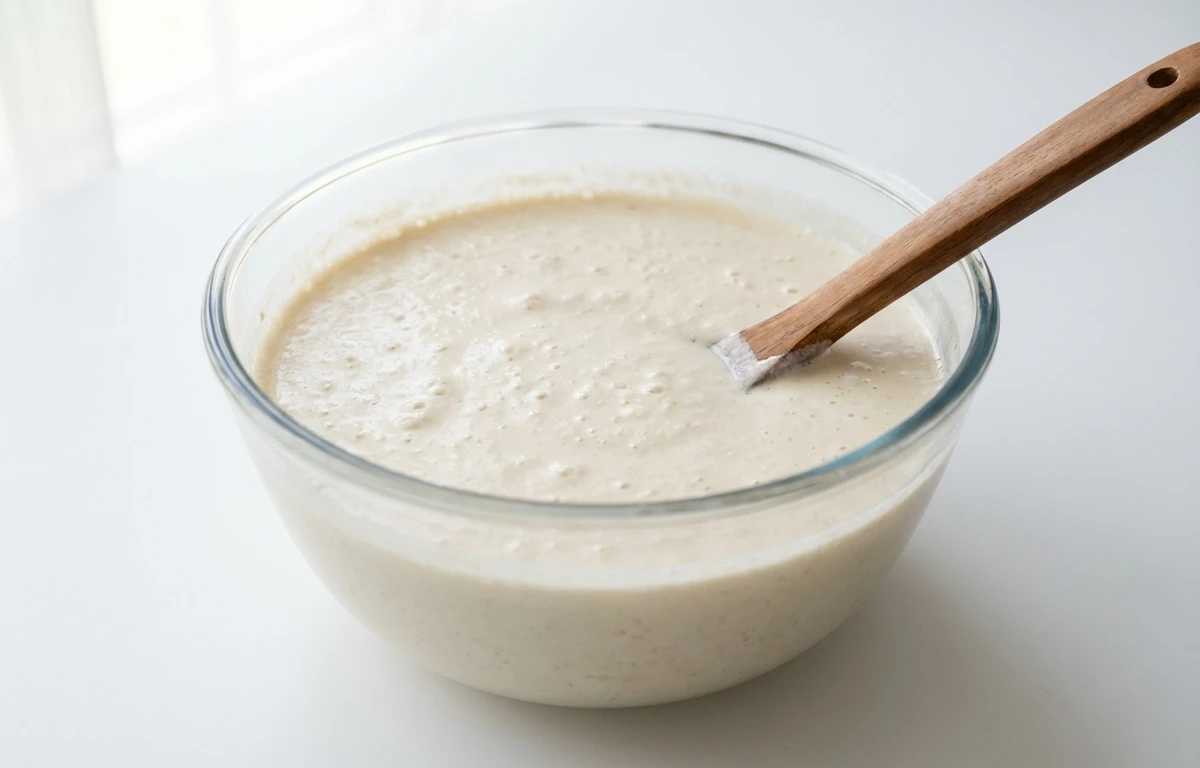
dosa batter.
VegetarianVeganGluten-freeDairy-freeNut-freePeanut-freeSoy-freeEgg-freeShellfish-freeHoney-freeAlcohol-freeFermented
ALSO KNOWN AS
idli batteridli dosa batterdosa batterfermented rice and lentil batterbatter for dosaडोसा बैटर
SERVING
CALORIES
143
PROTEIN
3.8g
CARBS
29.5g
FAT
1.1g
FIBER
1.8g
NUTRITION PROFILE · per 100 g
Everything in this ingredient.
MACRONUTRIENTS
Calories143kcal—
Protein3.8g8%
Carbohydrates29.5g11%
Fiber1.8g6%
Sugar0.20g0%
Total fat1.1g1%
Saturated fat0.26g1%
Cholesterol0mg0%
Water64.7g—
MINERALS
Sodium10mg0%
Potassium100mg2%
Calcium17mg1%
Iron0.80mg4%
Magnesium27mg6%
Phosphorus75mg6%
Zinc0.40mg4%
Copper0.11mg12%
Manganese0.25mg11%
Selenium2.2µg4%
VITAMINS
Vitamin A0µg0%
Vitamin C0mg0%
Vitamin D0µg0%
Vitamin E0.05mg0%
Vitamin K0.30µg0%
Thiamin (B1)0.10mg8%
Riboflavin (B2)0.04mg3%
Niacin (B3)0.80mg5%
Pantothenic acid (B5)0.20mg4%
Vitamin B60.08mg5%
Folate (B9)30µg8%
Vitamin B120µg0%
%DV based on a 2,000 cal diet. Source: USDA FoodData Central. A dash in the %DV column means there’s no established Daily Value for that nutrient.
MEASUREMENT CONVERSIONS
How much is what.
1 cup240g
1 tablespoon15g
1 teaspoon5g
1 ml1g
1 liter1000g
HEALTH BENEFITS
Why eat it.
- ✓Rich in probiotics from fermentation, which supports gut health and digestion.
- ✓Provides a balanced source of carbohydrates and plant-based protein for sustained energy.
- ✓The fermentation process breaks down complex nutrients, making it easily digestible and increasing bioavailability of minerals like iron and zinc.
- ✓Naturally gluten-free, making it an excellent choice for individuals with celiac disease or gluten intolerance.
COOKING TIPS
In the kitchen.
- 1Ensure the griddle (tava) is hot but not smoking. A good test is to sprinkle water; it should sizzle and evaporate immediately.
- 2For a crispy dosa, spread the batter very thinly in a circular motion. Use the back of a ladle for even spreading.
- 3If the batter is too thick, dilute it with a small amount of water to achieve a smooth, pourable consistency. If too thin, add a tablespoon of rice flour.
- 4Wipe the hot griddle with a damp cloth or a slice of onion before pouring the batter for each dosa. This cools the surface slightly and prevents sticking.
STORAGE
Keep it fresh.
- Refrigerate fresh batter in an airtight container for up to 4-5 days. The batter will continue to ferment and become more sour over time.
- For longer storage, freeze the batter in portion-sized containers for up to 2 months. Thaw completely in the refrigerator before use and stir well.
FAQ
Frequently asked questions.
Is dosa batter healthy?
Yes, dosa batter is generally considered healthy. It's rich in probiotics due to fermentation, which aids gut health and digestion. It also provides a balanced source of carbohydrates and plant-based protein for sustained energy.
What are the nutritional values of dosa batter?
Per 100g, dosa batter contains approximately 143 calories, 3.8g of protein, 29.5g of carbohydrates, and 1.1g of fat. These values can vary slightly based on the specific rice and lentil ratio used.
Is dosa batter good for weight loss?
Dosa batter can be part of a weight-loss diet due to its balanced nutrition and relatively low fat content. The fermentation process also makes it easily digestible. However, portion control and the type of filling or accompaniment are crucial for weight management.
Is dosa batter gluten-free?
Yes, traditional dosa batter made from rice and lentils (like urad dal) is naturally gluten-free. This makes it an excellent and safe option for individuals with celiac disease or gluten intolerance.
Is dosa batter vegan?
Yes, traditional dosa batter is vegan. It is typically made from a simple mixture of rice, lentils, and water, with no animal products involved.
Can diabetics eat dosa batter?
Diabetics can consume dosa batter in moderation. While it contains carbohydrates (29.5g per 100g), the fermentation process can slightly lower the glycemic index. Pairing it with protein-rich chutneys or sambar can help manage blood sugar levels.
How do you make dosa from dosa batter?
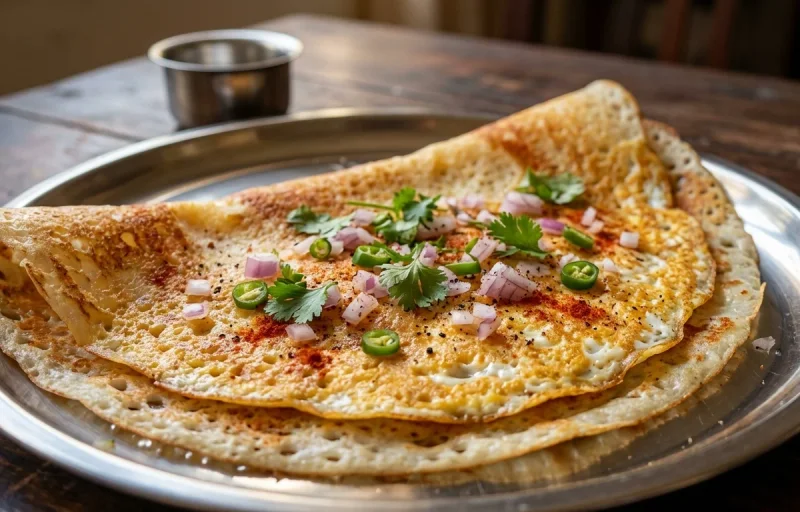
To make dosa, heat a non-stick griddle or tawa, lightly grease it, and pour a ladleful of batter onto the center. Spread it outwards in a circular motion to form a thin crepe. Cook until golden brown and crisp, then flip or fold as desired.
What does dosa batter taste like?
Dosa batter has a distinct slightly sour and tangy taste due to the fermentation process. When cooked into a dosa, it becomes savory with a mild, earthy flavor from the rice and lentils, often complemented by the fillings and chutneys.
How do you store dosa batter?
Dosa batter should be stored in an airtight container in the refrigerator. Proper storage helps maintain its freshness and prevents over-fermentation, typically lasting 3-5 days.
How do you know if dosa batter is spoiled?
Spoiled dosa batter will typically develop an overly sour or pungent smell, a pinkish or discolored hue, or may show signs of mold. The texture might also become excessively watery or slimy. It's best to discard it if any of these signs are present.
RECIPES
Cook with dosa batter.
10 recipes · sorted by what’s quick