Grain
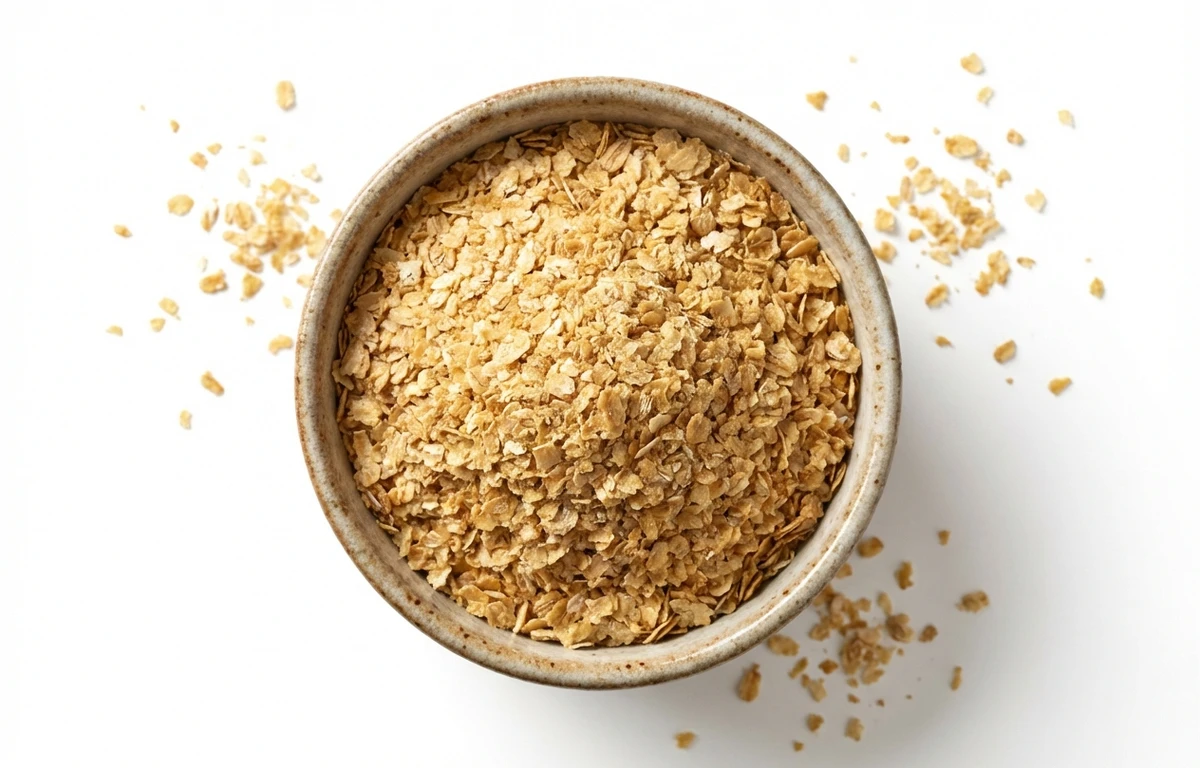
crude wheat germ.
VegetarianVeganGluten-freeDairy-freeNut-freePeanut-freeSoy-freeEgg-freeShellfish-freeHoney-freeAlcohol-free
SERVING
CALORIES
360
PROTEIN
23.1g
CARBS
51.8g
FAT
9.7g
FIBER
13.2g
NUTRITION PROFILE · per 100 g
Everything in this ingredient.
MACRONUTRIENTS
Calories360kcal—
Protein23.1g46%
Carbohydrates51.8g19%
Fiber13.2g47%
Sugar6.3g13%
Total fat9.7g12%
Saturated fat1.7g8%
Trans fat0g—
Cholesterol0mg0%
Water11.1g—
MINERALS
Sodium12mg1%
Potassium892mg19%
Calcium39mg3%
Iron6.3mg35%
Magnesium239mg57%
Phosphorus842mg67%
Zinc12.3mg112%
Copper0.80mg89%
Manganese13.3mg578%
Selenium79.2µg144%
VITAMINS
Vitamin A0µg0%
Vitamin C0mg0%
Vitamin D0µg0%
Vitamin E14.9mg100%
Vitamin K0µg0%
Thiamin (B1)1.9mg157%
Riboflavin (B2)0.50mg38%
Niacin (B3)6.8mg43%
Pantothenic acid (B5)2.3mg45%
Vitamin B61.3mg76%
Folate (B9)281µg70%
Vitamin B120µg0%
%DV based on a 2,000 cal diet. Source: USDA FoodData Central. A dash in the %DV column means there’s no established Daily Value for that nutrient.
MEASUREMENT CONVERSIONS
How much is what.
1 cup115g
1 tablespoon7.2g
1 teaspoon2.4g
1 ml0.5g
1 liter479.2g
HEALTH BENEFITS
Why eat it.
- ✓Excellent source of Vitamin E, a powerful antioxidant that protects cells from oxidative damage.
- ✓Rich in B vitamins, including folate, thiamin, and vitamin B6, which are essential for energy metabolism and nervous system function.
- ✓Provides a good source of dietary fiber, which aids in digestion, promotes satiety, and helps regulate blood sugar levels.
- ✓Contains heart-healthy unsaturated fats and plant-based protein, contributing to cardiovascular health.
- ✓A concentrated source of minerals like zinc, magnesium, and manganese, which are vital for immune function, bone health, and metabolic processes.
COOKING TIPS
In the kitchen.
- 1Sprinkle raw wheat germ on yogurt, oatmeal, cereal, or salads to add a nutty flavor and a boost of nutrients.
- 2Incorporate into baked goods like muffins, breads, and cookies by substituting up to 1/4 of the flour with wheat germ.
- 3Use as a nutritious binder in meatballs or veggie burgers, or as a coating for chicken or fish before baking or pan-frying.
- 4Lightly toast wheat germ in a dry skillet over medium heat for 2-3 minutes to enhance its nutty aroma and flavor before adding to dishes.
STORAGE
Keep it fresh.
- Due to its high oil content, wheat germ is prone to rancidity. Store it in an airtight container in the refrigerator for up to 9 months.
- For long-term storage, place the airtight container in the freezer, where it can last for up to one year.
FAQ
Frequently asked questions.
Is crude wheat germ healthy?
Yes, crude wheat germ is highly nutritious as it is the nutrient-dense embryo of the wheat kernel. It is an excellent source of Vitamin E, B vitamins, and essential minerals like zinc and magnesium, which support immune function, energy metabolism, and heart health.
How much protein is in crude wheat germ?
Crude wheat germ is a significant source of plant-based protein, containing approximately 23.15 grams of protein per 100 grams. This makes it an excellent supplement for boosting the protein content of smoothies, cereals, and baked goods.
Is crude wheat germ gluten-free?
No, crude wheat germ is not gluten-free. Since it is a part of the wheat kernel, it contains gluten proteins and is unsafe for individuals with celiac disease or gluten sensitivities.
Is wheat germ keto-friendly?
With approximately 51.8 grams of carbohydrates per 100 grams, crude wheat germ is relatively high in carbs. While it can be used in very small quantities for its nutritional benefits, it is generally not considered keto-friendly for those on a strict low-carb diet.
How do you use crude wheat germ in cooking?
Crude wheat germ is versatile and can be sprinkled over yogurt, oatmeal, or salads. It is also frequently used as a nutrient booster in bread, muffin, and pancake batters, or used as a healthy alternative to breadcrumbs for coating proteins.
What does crude wheat germ taste like?
Crude wheat germ has a mild, slightly sweet, and nutty flavor with a grainy texture. It is less intense than toasted wheat germ, allowing it to blend easily into various dishes without overpowering other ingredients.
How should I store crude wheat germ?
Because it contains heart-healthy unsaturated fats, crude wheat germ can spoil and turn rancid quickly at room temperature. It should be stored in an airtight container in the refrigerator or freezer to preserve its freshness and nutritional value.
How long does crude wheat germ last?
When stored properly in the refrigerator, crude wheat germ typically lasts about 6 to 9 months. If kept in the freezer, it can stay fresh for up to a year. Always check for a sour or musty smell, which indicates the oils have gone rancid.
Is crude wheat germ good for weight loss?
It can be a helpful addition to a weight loss diet because it is rich in dietary fiber, which promotes satiety and helps regulate blood sugar. However, it is calorie-dense at 360 calories per 100g, so it should be consumed in moderation as a supplement to meals.
Can I eat crude wheat germ raw?
Yes, crude wheat germ can be eaten raw and is often preferred this way to preserve its heat-sensitive nutrients like Vitamin E. It is safe to consume directly from the package as a topping for cold dishes like smoothie bowls or yogurt.