Grain1 recipes
cornbread.
VegetarianVeganGluten-freeDairy-freeNut-freePeanut-freeSoy-freeEgg-freeShellfish-freeHoney-freeAlcohol-free
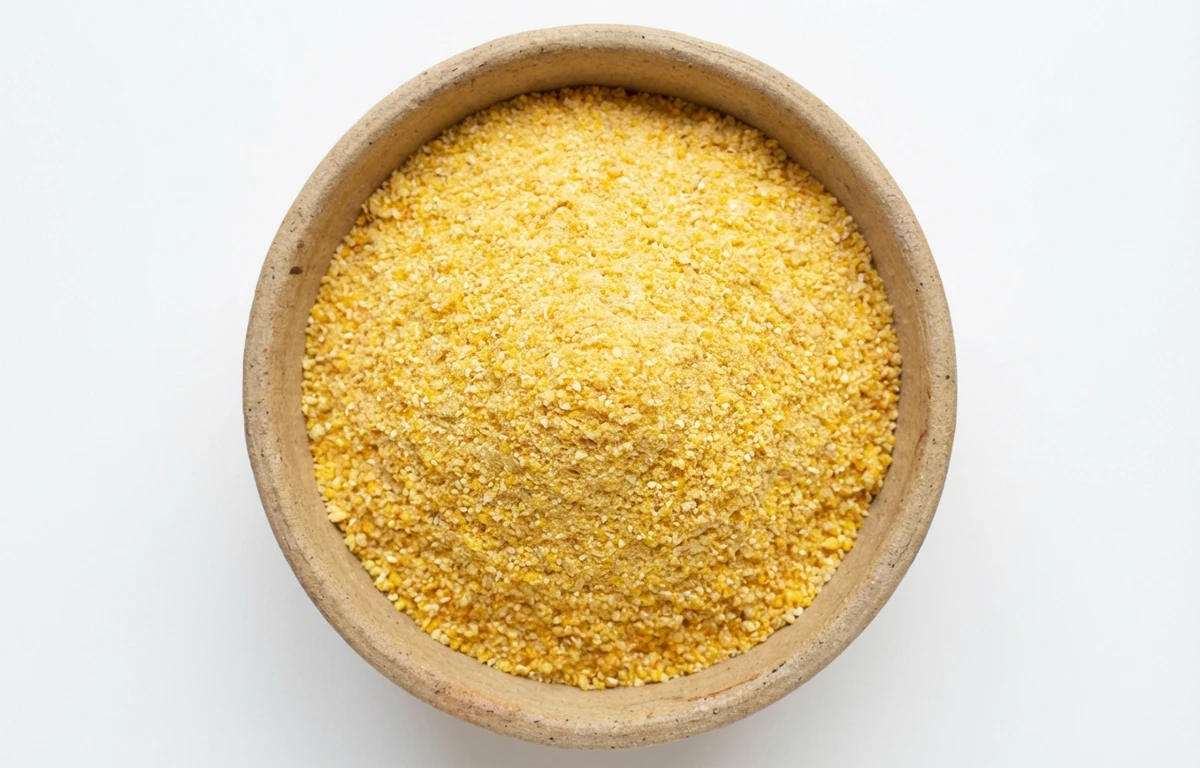
ALSO KNOWN AS
corn bread
SERVING
CALORIES
418
PROTEIN
7.0g
CARBS
69.5g
FAT
12.2g
FIBER
6.5g
NUTRITION PROFILE · per 100 g
Everything in this ingredient.
MACRONUTRIENTS
Calories418kcal—
Protein7.0g14%
Carbohydrates69.5g25%
Fiber6.5g23%
Sugar20.3g41%
Total fat12.2g16%
Saturated fat3.1g15%
Cholesterol2.0mg1%
Water7.8g—
MINERALS
Sodium817mg36%
Potassium113mg2%
Calcium57mg4%
Iron2.5mg14%
Magnesium24mg6%
Phosphorus489mg39%
Zinc0.57mg5%
Copper0.09mg10%
Manganese0.32mg14%
Selenium5.6µg10%
VITAMINS
Vitamin A19µg2%
Vitamin C0.10mg0%
Vitamin E0.16mg1%
Vitamin K5.0µg4%
Thiamin (B1)0.43mg36%
Riboflavin (B2)0.27mg21%
Niacin (B3)3.3mg21%
Pantothenic acid (B5)0.48mg10%
Vitamin B60.13mg8%
Folate (B9)93µg23%
Vitamin B120.09µg4%
%DV based on a 2,000 cal diet. Source: USDA FoodData Central. A dash in the %DV column means there’s no established Daily Value for that nutrient.
MEASUREMENT CONVERSIONS
How much is what.
1 cup125g
1 tablespoon7.8g
1 teaspoon2.6g
1 ml0.5g
1 liter520.8g
1 piece70g
HEALTH BENEFITS
Why eat it.
- ✓Provides a quick source of energy from carbohydrates.
- ✓Contains fiber, which supports digestive health, especially when made with whole-grain cornmeal.
- ✓Cornmeal offers antioxidants like lutein and zeaxanthin, which are beneficial for eye health.
- ✓Supplies essential minerals such as phosphorus and magnesium, important for bone health and energy metabolism.
COOKING TIPS
In the kitchen.
- 1For a crisp, golden-brown crust, preheat your cast-iron skillet with fat (butter, oil, or bacon drippings) in the oven before adding the batter.
- 2Do not overmix the batter. Mix just until the wet and dry ingredients are combined; a few lumps are perfectly fine and lead to a more tender crumb.
- 3Using buttermilk instead of regular milk will yield a tangier flavor and a more tender texture due to its acidity reacting with the leavening agents.
- 4Allow the cornbread to cool in the pan for at least 10-15 minutes before slicing to prevent it from crumbling.
STORAGE
Keep it fresh.
- Store in an airtight container at room temperature for up to 2 days.
- For longer storage, wrap tightly in plastic wrap or foil and refrigerate for up to a week.
- Freeze individual slices or the whole loaf wrapped tightly for up to 3 months. Thaw at room temperature or reheat in the oven.
FAQ
Frequently asked questions.
Is cornbread healthy?
Cornbread provides a quick source of energy from carbohydrates and contains essential minerals like phosphorus and magnesium. While it offers fiber and eye-healthy antioxidants, it is relatively high in calories and carbs, so it should be enjoyed in moderation as part of a balanced diet.
How many calories and carbs are in cornbread?
A 100g serving of cornbread typically contains about 418 calories and 69.5g of carbohydrates. It also provides approximately 7g of protein and 12.2g of fat, making it a calorie-dense side dish.
Is cornbread gluten-free?
Traditional cornbread often contains a mix of cornmeal and wheat flour, meaning it is not naturally gluten-free. However, you can make gluten-free versions by using 100% cornmeal or substituting wheat flour with a certified gluten-free flour blend.
Is cornbread vegan?
Most standard cornbread recipes are not vegan because they use animal products like milk, butter, and eggs. To make a vegan version, you must substitute these with plant-based alternatives such as almond milk, vegan butter, and flax eggs.
Is cornbread keto-friendly?
No, cornbread is not keto-friendly due to its high carbohydrate content, which is nearly 70g per 100g. Both cornmeal and the flour typically used in the recipe are high in starch and will likely exceed the daily carb limits for a ketogenic diet.
What are the health benefits of the cornmeal in cornbread?
Cornmeal is a source of antioxidants like lutein and zeaxanthin, which are beneficial for eye health. If made with whole-grain cornmeal, it also provides dietary fiber that aids digestion and minerals like magnesium for bone health and energy metabolism.
How should I store leftover cornbread?
Store cornbread in an airtight container or wrap it tightly in foil at room temperature for up to two days. For longer storage, keep it in the refrigerator for up to a week, though refrigeration can sometimes cause it to dry out faster.
Can I freeze cornbread?
Yes, cornbread freezes very well. Wrap individual slices or the whole loaf tightly in plastic wrap and then place it in a heavy-duty freezer bag; it will maintain its quality for up to three months.
Why is my cornbread dry, and how can I fix it?
Cornbread often turns out dry if it is overbaked or if the ratio of cornmeal to flour is too high. To keep it moist, avoid overmixing the batter and consider adding moisture-retaining ingredients like sour cream, applesauce, or extra butter.
Can diabetics eat cornbread?
Diabetics can eat cornbread in moderation, but they should be mindful of the high carbohydrate and sugar content which can cause blood sugar spikes. Choosing recipes with whole-grain cornmeal and minimal added sweeteners can help manage glucose levels more effectively.
RECIPES
Cook with cornbread.
1 recipes · sorted by what’s quick