Oil
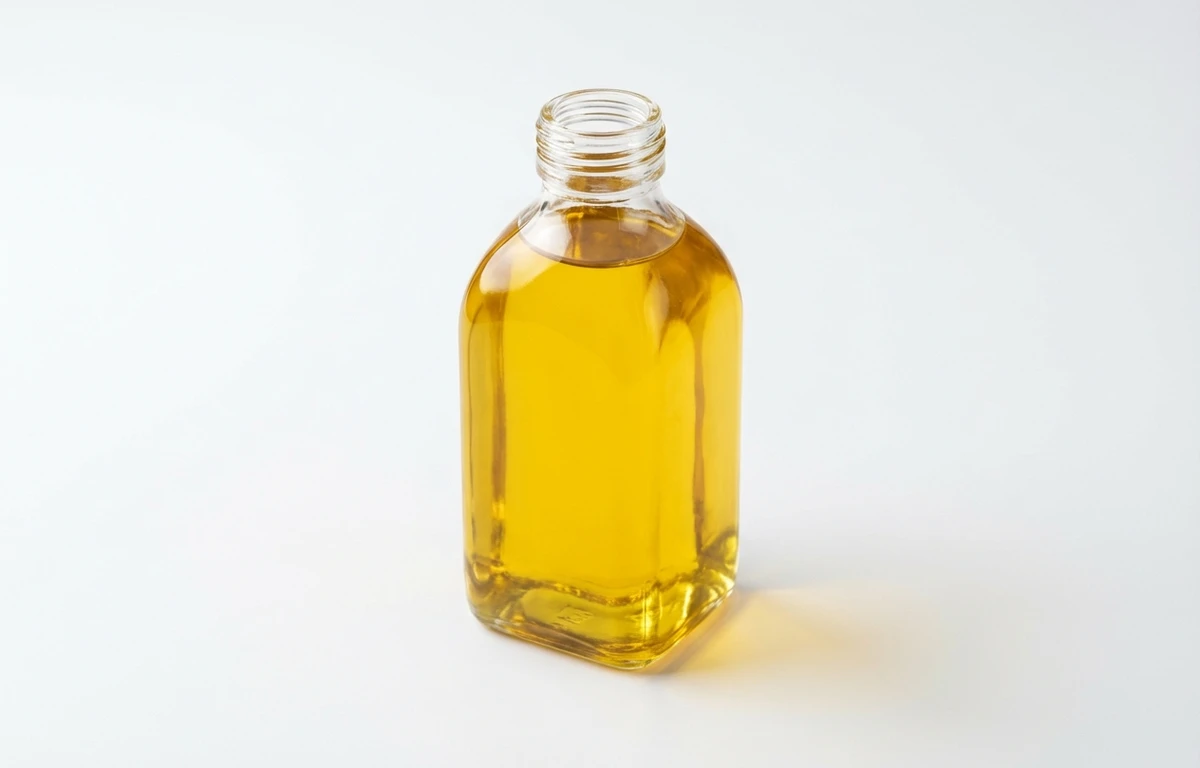
cod liver oil.
VegetarianVeganGluten-freeDairy-freeNut-freePeanut-freeSoy-freeEgg-freeShellfish-freeHoney-freeAlcohol-free
SERVING
CALORIES
902
PROTEIN
0g
CARBS
0g
FAT
100g
FIBER
0g
NUTRITION PROFILE · per 100 g
Everything in this ingredient.
MACRONUTRIENTS
Calories902kcal—
Protein0g0%
Carbohydrates0g0%
Fiber0g0%
Sugar0g0%
Total fat100g128%
Saturated fat22.6g113%
Trans fat0g—
Cholesterol570mg190%
Water0g—
MINERALS
Sodium0mg0%
Potassium0mg0%
Calcium0mg0%
Iron0mg0%
Magnesium0mg0%
Phosphorus0mg0%
Zinc0mg0%
Copper0mg0%
Manganese0mg0%
Selenium0µg0%
VITAMINS
Vitamin A30000µg3333%
Vitamin C0mg0%
Vitamin D250µg1250%
Vitamin E20mg133%
Vitamin K0µg0%
Thiamin (B1)0mg0%
Riboflavin (B2)0mg0%
Niacin (B3)0mg0%
Pantothenic acid (B5)0mg0%
Vitamin B60mg0%
Folate (B9)0µg0%
Vitamin B120µg0%
%DV based on a 2,000 cal diet. Source: USDA FoodData Central. A dash in the %DV column means there’s no established Daily Value for that nutrient.
MEASUREMENT CONVERSIONS
How much is what.
1 cup218g
1 tablespoon13.6g
1 teaspoon4.5g
1 ml0.9g
1 liter906.7g
HEALTH BENEFITS
Why eat it.
- ✓Excellent source of omega-3 fatty acids (EPA and DHA), which support heart health, brain function, and reduce inflammation.
- ✓Rich in Vitamin D, which is crucial for calcium absorption, bone health, and immune system regulation.
- ✓High in Vitamin A, an essential nutrient for maintaining healthy vision, immune function, and cell growth.
- ✓May help reduce joint pain and stiffness associated with rheumatoid arthritis due to its anti-inflammatory properties.
COOKING TIPS
In the kitchen.
- 1Primarily used as a dietary supplement and not for cooking due to its low smoke point and strong flavor.
- 2To mask the taste, mix a spoonful into a small amount of smoothie, yogurt, or cold-pressed juice immediately before consumption.
- 3Avoid heating cod liver oil, as high temperatures can destroy the beneficial omega-3 fatty acids and create harmful compounds.
- 4If using in food, incorporate it into cold preparations like salad dressings, but be aware that its distinct fishy flavor will be prominent.
STORAGE
Keep it fresh.
- Store in a cool, dark place, such as a refrigerator, to prevent oxidation and rancidity. Keep away from direct sunlight and heat.
- Once opened, keep the bottle tightly sealed and consume within 2-3 months to ensure freshness and potency.
FAQ
Frequently asked questions.
What are the main health benefits of cod liver oil?
Cod liver oil is an excellent source of omega-3 fatty acids (EPA and DHA), which support heart health and brain function. It is also uniquely high in Vitamin D for bone health and Vitamin A for immune function and vision. Additionally, its anti-inflammatory properties can help reduce joint pain and stiffness.
How does cod liver oil differ from regular fish oil?
While both provide omega-3 fatty acids, regular fish oil is extracted from the flesh of fatty fish, whereas cod liver oil comes specifically from the liver. This difference means cod liver oil contains high levels of vitamins A and D, which are typically not present in standard fish oil supplements.
Is cod liver oil vegan?
No, cod liver oil is not vegan as it is an animal-derived product extracted from the livers of Atlantic cod. For a vegan alternative that provides omega-3s, algae-based oils are the most comparable plant-based source.
Can you cook with cod liver oil?
It is not recommended to cook with cod liver oil because it has a very low smoke point and its delicate omega-3 fatty acids and vitamins can be destroyed by heat. Furthermore, it has a very strong fishy flavor that is generally unpleasant when used as a cooking oil.
Is cod liver oil keto-friendly?
Yes, cod liver oil is highly keto-friendly because it consists of 100% fat and contains zero carbohydrates. It is an excellent way for those on a ketogenic diet to incorporate healthy polyunsaturated fats and essential fat-soluble vitamins.
How should cod liver oil be stored?
Cod liver oil should be stored in a cool, dark place to prevent oxidation. Once a bottle is opened, it is best kept in the refrigerator to maintain freshness and prevent the oil from becoming rancid due to light and heat exposure.
How can you tell if cod liver oil has gone bad?
You can tell cod liver oil is spoiled if it develops a very pungent, sour, or excessively foul fishy odor that is much stronger than its natural scent. If the oil tastes bitter or causes a burning sensation in the throat, it has likely oxidized and should be discarded.
What does cod liver oil taste like?
Pure cod liver oil has a distinct, strong fishy flavor and a heavy oily texture. Because many people find the natural taste unappealing, it is often sold in capsule form or as a liquid flavored with natural citrus or mint oils to mask the fishiness.
Is cod liver oil good for weight loss?
While cod liver oil is calorie-dense at 902 calories per 100g, it is consumed in very small doses, usually a teaspoon or two. The omega-3s may support metabolic health and reduce inflammation, but it should be used as a nutritional supplement rather than a primary weight-loss tool.
Can diabetics take cod liver oil?
Cod liver oil is generally safe for diabetics and may even be beneficial due to its anti-inflammatory properties and heart-health benefits. However, because it can slightly affect blood glucose levels in some individuals, those with diabetes should consult their doctor before adding it to their daily routine.