Other3 recipes
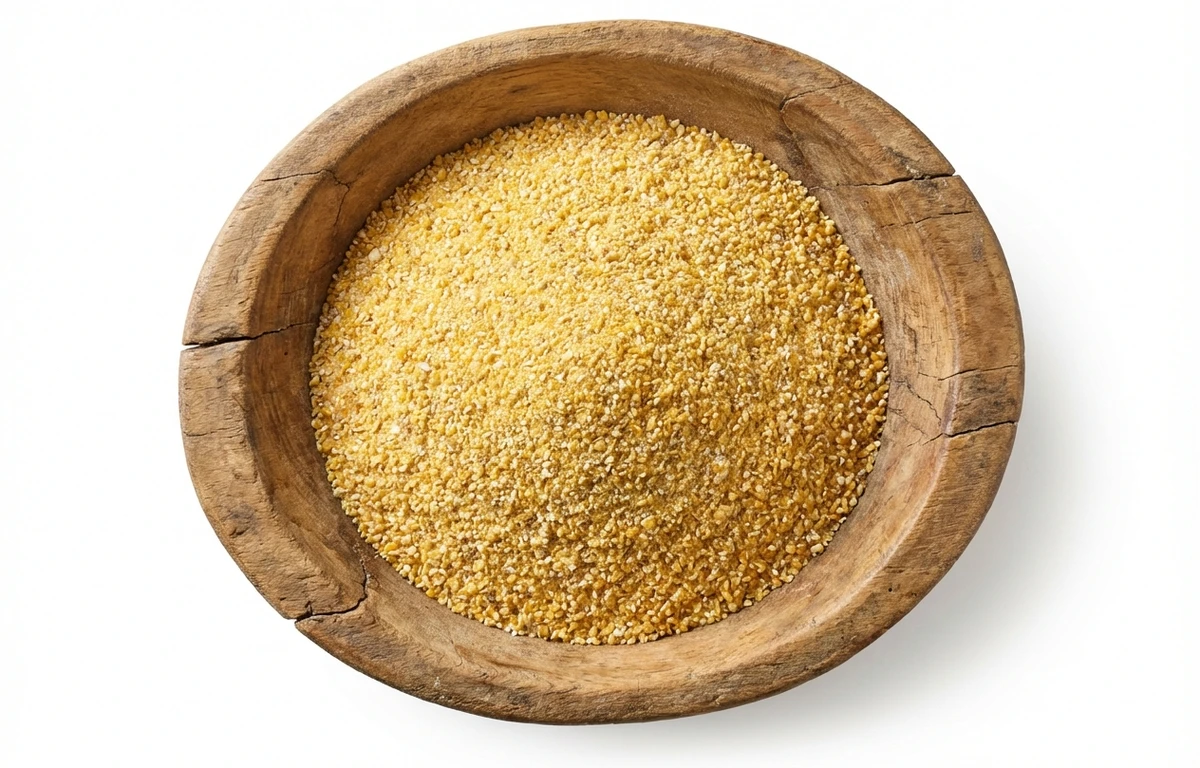
coarse cornmeal.
VegetarianVeganGluten-freeDairy-freeNut-freePeanut-freeSoy-freeEgg-freeShellfish-freeHoney-freeAlcohol-free
ALSO KNOWN AS
makki ka daliapolentacoarse ground cornmealmakki ka atta dalia
SERVING
CALORIES
370
PROTEIN
7.1g
CARBS
79.5g
FAT
1.8g
FIBER
3.9g
NUTRITION PROFILE · per 100 g
Everything in this ingredient.
MACRONUTRIENTS
Calories370kcal—
Protein7.1g14%
Carbohydrates79.5g29%
Fiber3.9g14%
Sugar1.6g3%
Total fat1.8g2%
Saturated fat0.22g1%
Trans fat0g—
Cholesterol0mg0%
Water11.2g—
MINERALS
Sodium7.0mg0%
Potassium142mg3%
Calcium3.0mg0%
Iron4.4mg24%
Magnesium32mg8%
Phosphorus99mg8%
Zinc0.66mg6%
Copper0.08mg9%
Manganese0.17mg7%
Selenium10.5µg19%
VITAMINS
Vitamin A0µg0%
Vitamin C0mg0%
Vitamin D0µg0%
Vitamin E0.12mg1%
Vitamin K0µg0%
Thiamin (B1)0.55mg46%
Riboflavin (B2)0.38mg29%
Niacin (B3)5.0mg31%
Pantothenic acid (B5)0.24mg5%
Vitamin B60.18mg11%
Folate (B9)209µg52%
Vitamin B120µg0%
%DV based on a 2,000 cal diet. Source: USDA FoodData Central. A dash in the %DV column means there’s no established Daily Value for that nutrient.
MEASUREMENT CONVERSIONS
How much is what.
1 cup157g
1 tablespoon9.8g
1 teaspoon3.3g
1 ml0.7g
1 liter654.2g
HEALTH BENEFITS
Why eat it.
- ✓Provides complex carbohydrates for sustained energy release.
- ✓Whole-grain varieties are a good source of dietary fiber, which supports digestive health.
- ✓Contains antioxidants such as lutein and zeaxanthin, beneficial for eye health.
- ✓Naturally gluten-free, making it a suitable grain for those with celiac disease or gluten sensitivity (ensure it's certified to avoid cross-contamination).
COOKING TIPS
In the kitchen.
- 1To avoid lumps when making polenta or grits, slowly whisk the cornmeal into cool or simmering liquid rather than rapidly boiling liquid.
- 2Use as a coating for fried foods like fish, chicken, or green tomatoes to achieve a crispy, golden crust.
- 3Lightly toast dry cornmeal in a skillet before adding it to cornbread batter to enhance its nutty flavor.
- 4Dust baking surfaces or pizza peels with coarse cornmeal to prevent dough from sticking.
STORAGE
Keep it fresh.
- Store in an airtight container in a cool, dark, dry place like a pantry for up to one year.
- For longer-term storage, especially for whole-grain cornmeal, place the airtight container in the refrigerator or freezer to prevent the oils from going rancid.
FAQ
Frequently asked questions.
Is coarse cornmeal healthy?
Yes, coarse cornmeal is a healthy source of complex carbohydrates that provide sustained energy. It contains beneficial antioxidants like lutein and zeaxanthin for eye health and, when labeled as whole-grain, provides essential dietary fiber for digestive health.
How many calories and carbs are in coarse cornmeal?
A 100g serving of coarse cornmeal contains approximately 370 calories and 79.45g of carbohydrates. It is a high-energy food that also provides about 7.11g of protein and a low fat content of 1.75g.
Is coarse cornmeal gluten-free?
Naturally, corn is gluten-free, making coarse cornmeal a safe option for those with celiac disease or gluten sensitivities. However, you should look for 'certified gluten-free' packaging to ensure the product wasn't processed on shared equipment with wheat.
Is coarse cornmeal keto-friendly?
No, coarse cornmeal is not keto-friendly. Because it contains nearly 80g of carbohydrates per 100g serving, it would likely exceed the daily carb limit for someone following a strict ketogenic diet.
What is the difference between coarse cornmeal and corn flour?
The primary difference is the texture; coarse cornmeal is ground into larger, grittier granules, whereas corn flour is ground into a fine, silky powder. Coarse cornmeal is preferred for dishes requiring texture, like polenta or crunchy cornbread, while corn flour is used for smooth batters.
How do you cook coarse cornmeal?
To make a basic porridge or polenta, simmer one part coarse cornmeal in four parts water or broth for 20-30 minutes, stirring frequently. It can also be used as a breading for frying or incorporated into baking recipes for added crunch.
What is coarse cornmeal used for?
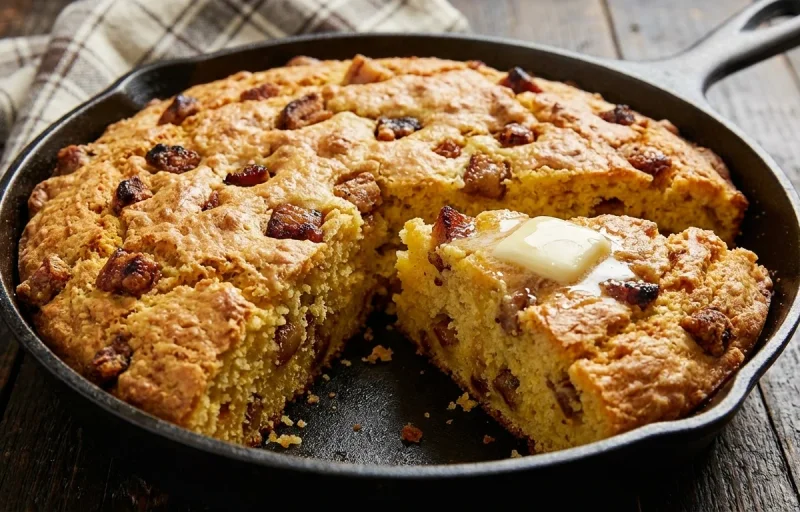
It is most commonly used to make polenta, grits, and rustic-style cornbread. Additionally, it is often sprinkled on the bottom of pizza crusts or bread loaves to prevent sticking and add a signature crunchy texture.
How should I store coarse cornmeal?
Store coarse cornmeal in an airtight container in a cool, dry, and dark pantry. If you are using whole-grain cornmeal, it is best kept in the refrigerator or freezer to prevent the natural oils in the corn germ from turning rancid.
How long does coarse cornmeal last?
Degerminated coarse cornmeal typically lasts about 12 months in a cool, dry pantry. Whole-grain varieties have a shorter shelf life of 3 to 6 months at room temperature, though this can be extended by freezing.
Can I substitute coarse cornmeal with fine cornmeal?
Yes, you can substitute them, but the texture of the final dish will change significantly. Fine cornmeal will result in a smoother, denser product, while coarse cornmeal provides the gritty, hearty texture traditional in dishes like polenta.
RECIPES
Cook with coarse cornmeal.
3 recipes · sorted by what’s quick