Spice3 recipes
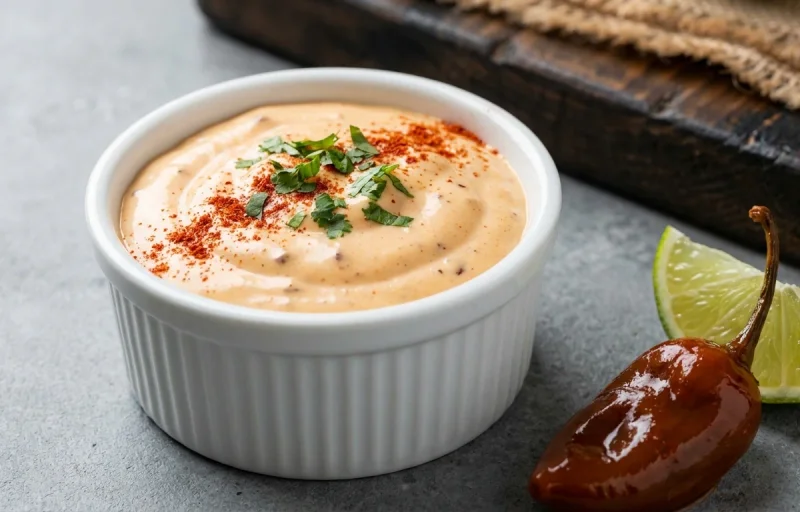
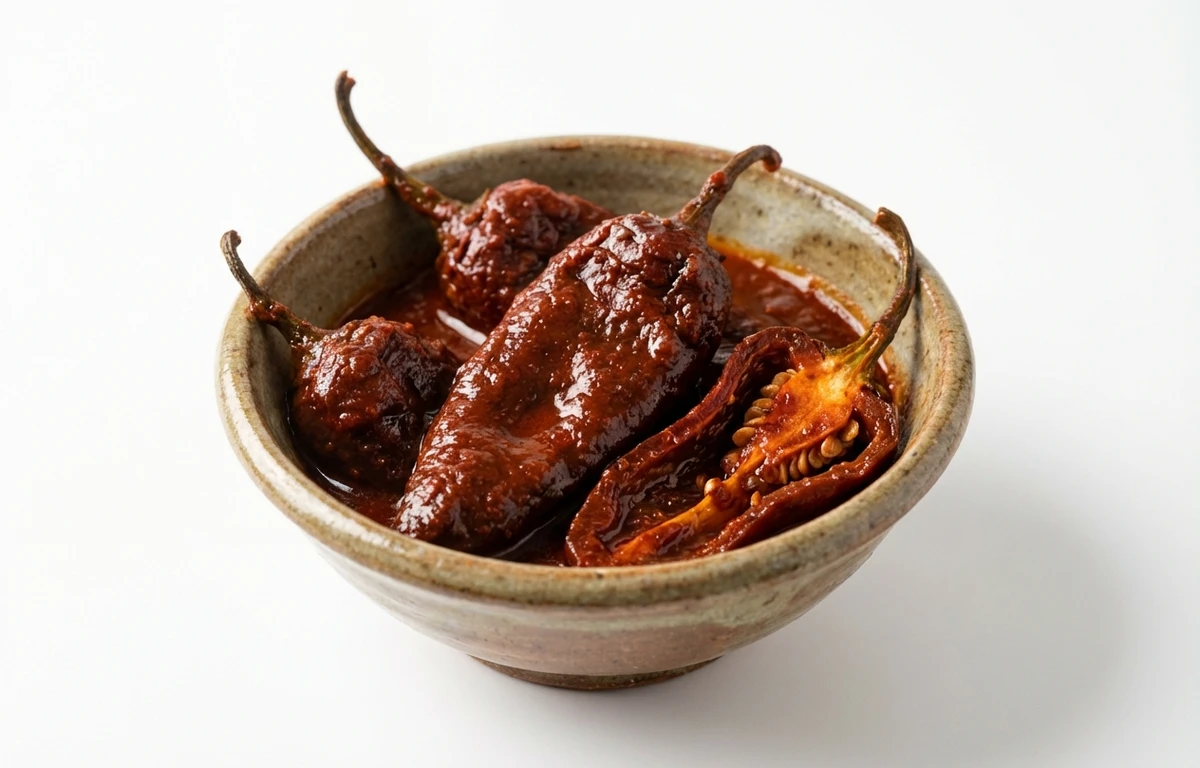
chipotle peppers in adobo sauce.
VegetarianVeganGluten-freeDairy-freeNut-freePeanut-freeSoy-freeEgg-freeShellfish-freeHoney-freeAlcohol-free
ALSO KNOWN AS
chipotles in adobo
SERVING
CALORIES
75
PROTEIN
1.0g
CARBS
12g
FAT
1.0g
FIBER
2.0g
NUTRITION PROFILE · per 100 g
Everything in this ingredient.
MACRONUTRIENTS
Calories75kcal—
Protein1.0g2%
Carbohydrates12g4%
Fiber2.0g7%
Sugar7.0g14%
Total fat1.0g1%
Saturated fat0.10g1%
Trans fat0g—
Cholesterol0mg0%
Water80g—
MINERALS
Sodium900mg39%
Potassium250mg5%
Calcium20mg2%
Iron1.0mg6%
Magnesium20mg5%
Phosphorus35mg3%
Zinc0.30mg3%
VITAMINS
Vitamin A150µg17%
Vitamin C15mg17%
Vitamin D0µg0%
Vitamin K1.0µg1%
Thiamin (B1)2.0mg167%
Riboflavin (B2)0.08mg6%
Niacin (B3)1.2mg8%
Vitamin B60.15mg9%
%DV based on a 2,000 cal diet. Source: USDA FoodData Central. A dash in the %DV column means there’s no established Daily Value for that nutrient.
MEASUREMENT CONVERSIONS
How much is what.
1 cup252g
1 tablespoon15.8g
1 teaspoon5.3g
1 ml1.1g
1 liter1050g
1 piece20g
HEALTH BENEFITS
Why eat it.
- ✓Rich in capsaicin from the peppers, which may boost metabolism and possess anti-inflammatory properties.
- ✓A good source of Vitamin C and Vitamin A, antioxidants that support immune function and vision.
- ✓Contains antioxidants from both the peppers and spices in the adobo sauce, which help combat free radical damage.
COOKING TIPS
In the kitchen.
- 1The peppers are spicy; remove the seeds and veins for less heat. The adobo sauce provides smoky flavor with moderate heat.
- 2A little goes a long way. Start by mincing one pepper or using a teaspoon of the sauce, then adjust to your taste.
- 3Blend the entire can's contents into a paste for easy and consistent incorporation into marinades, soups, and sauces.
- 4Balance the smoky heat with creamy ingredients like avocado or sour cream, acidic elements like lime juice, or sweeteners like honey.
STORAGE
Keep it fresh.
- Store unopened cans in a cool, dark place like a pantry.
- Once opened, transfer the leftover peppers and sauce to an airtight glass or plastic container. Refrigerate for up to one month or freeze for up to six months.
- For easy portioning, purée the contents and freeze in an ice cube tray before transferring to a freezer bag.
FAQ
Frequently asked questions.
Are chipotle peppers in adobo sauce healthy?
Yes, they are a low-calorie condiment that provides vitamins A and C, which support immune health. They also contain capsaicin, a compound that may boost metabolism and offer anti-inflammatory benefits, though they can be high in sodium depending on the brand.
How many calories and carbs are in chipotle peppers in adobo sauce?
Per 100g, this ingredient contains approximately 75 calories and 12g of carbohydrates. Because they are highly concentrated in flavor, a typical serving size is much smaller, making the caloric and carb impact on a meal very low.
Are chipotle peppers in adobo sauce vegan?
Most commercial brands are vegan, as the sauce is typically made from tomatoes, vinegar, and spices. However, you should always check the label for hidden ingredients like lard or honey, which are occasionally used in traditional preparations.
Are chipotle peppers in adobo sauce keto-friendly?
Yes, they are generally considered keto-friendly. While they contain 12g of carbs per 100g, a single pepper usually contains only 1-2g of net carbs, allowing you to add significant smoky flavor to dishes without exceeding daily carb limits.
What do chipotle peppers in adobo sauce taste like?
They offer a complex flavor profile that is intensely smoky, tangy, and spicy. The peppers are dried and smoked jalapeños, while the adobo sauce provides a savory, vinegary, and slightly sweet tomato-based background.
How do you use chipotle peppers in adobo sauce in cooking?
You can mince the peppers to add heat to chili and stews, blend the entire can into marinades for meats, or whisk the sauce into mayonnaise for a smoky aioli. They are also excellent when swirled into cream-based sauces or mashed into avocado for guacamole.
How spicy are chipotle peppers in adobo sauce?
They have a moderate to high heat level, typically ranging from 2,500 to 8,000 Scoville Heat Units. They are generally spicier than fresh jalapeños due to the concentration of heat during the drying process, but milder than habaneros.
How do you store leftover chipotle peppers after opening the can?
Transfer the remaining peppers and sauce into an airtight glass jar and refrigerate for up to two weeks. For longer storage, freeze individual peppers with a spoonful of sauce in an ice cube tray or small freezer bags for up to 6 months.
Can I substitute chipotle peppers in adobo sauce with something else?
The best substitute is a mix of smoked paprika and cayenne pepper to mimic the smokiness and heat. If you have chipotle powder, you can mix it with a little tomato paste, vinegar, and a pinch of sugar to replicate the consistency of the adobo sauce.
How do I know if chipotle peppers in adobo sauce have gone bad?
Check for any fuzzy mold growth on the surface of the sauce or the peppers. If the sauce develops a sour, fermented smell or if the texture becomes excessively slimy, the product should be discarded.
RECIPES
Cook with chipotle peppers in adobo sauce.
3 recipes · sorted by what’s quick