Condiment1 recipes
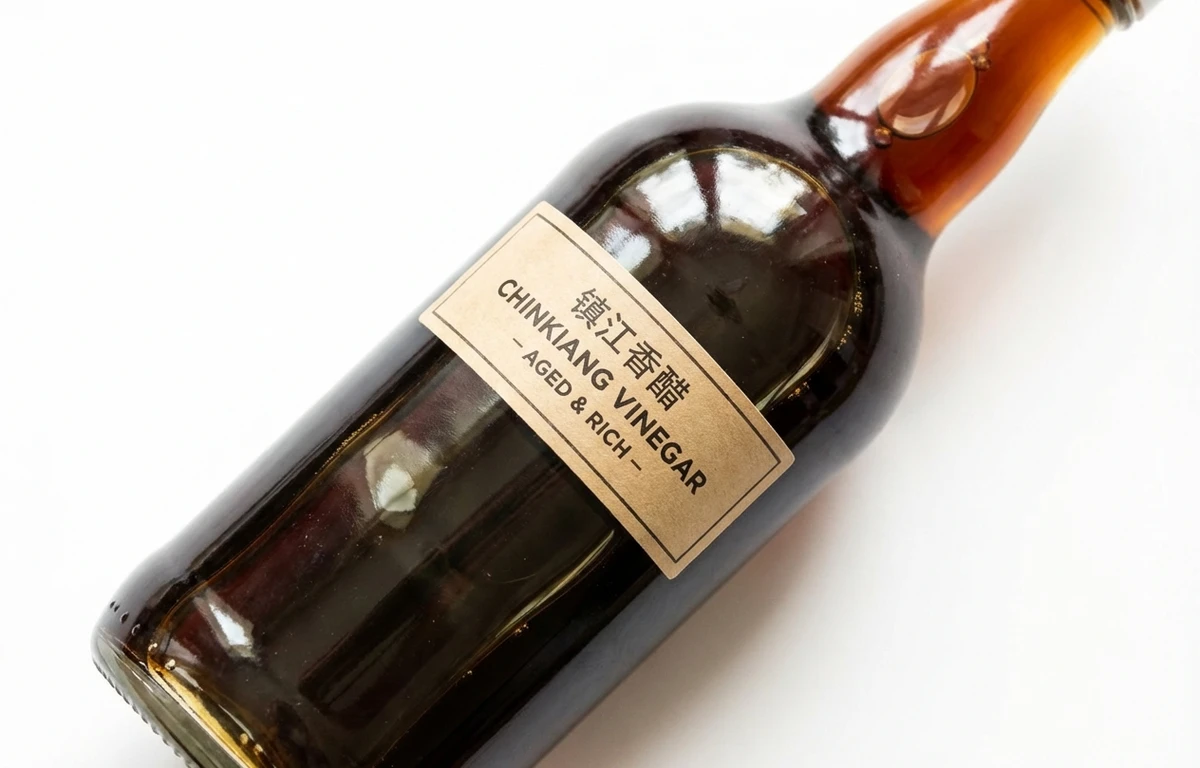
chinkiang vinegar.
VegetarianVeganGluten-freeDairy-freeNut-freePeanut-freeSoy-freeEgg-freeShellfish-freeHoney-freeAlcohol-freeFermented
ALSO KNOWN AS
zhenjiang vinegarchinese black vinegarblack rice vinegar
SERVING
CALORIES
26
PROTEIN
1.5g
CARBS
5.0g
FAT
0g
FIBER
0g
NUTRITION PROFILE · per 100 g
Everything in this ingredient.
MACRONUTRIENTS
Calories26kcal—
Protein1.5g3%
Carbohydrates5.0g2%
Fiber0g0%
Sugar1.2g2%
Total fat0g0%
Saturated fat0g0%
Trans fat0g—
Cholesterol0mg0%
Water92g—
MINERALS
Sodium65mg3%
Potassium45mg1%
Calcium12mg1%
Iron0.50mg3%
Magnesium8.0mg2%
Phosphorus20mg2%
Zinc0.10mg1%
Copper0.02mg2%
Manganese0.05mg2%
Selenium0.10µg0%
VITAMINS
Vitamin A0µg0%
Vitamin C0mg0%
Vitamin D0µg0%
Vitamin E0mg0%
Vitamin K0µg0%
Thiamin (B1)0.01mg1%
Riboflavin (B2)0.02mg2%
Niacin (B3)0.10mg1%
Pantothenic acid (B5)0.05mg1%
Vitamin B60.01mg1%
Folate (B9)0µg0%
Vitamin B120µg0%
%DV based on a 2,000 cal diet. Source: USDA FoodData Central. A dash in the %DV column means there’s no established Daily Value for that nutrient.
MEASUREMENT CONVERSIONS
How much is what.
1 cup242.4g
1 tablespoon15.2g
1 teaspoon5.1g
1 oz28.6g
1 lb453.6g
1 ml1g
1 liter1010g
HEALTH BENEFITS
Why eat it.
- ✓Contains organic acids that may aid digestion
- ✓Rich in amino acids from the fermentation process
- ✓Low-calorie way to add depth of flavor to meals
- ✓Contains antioxidants that help fight oxidative stress
- ✓May help in regulating blood sugar levels when consumed with meals
COOKING TIPS
In the kitchen.
- 1Add at the very end of cooking to preserve its complex, smoky aroma
- 2Use as a primary component in dipping sauces for dumplings and dim sum
- 3Excellent for balancing the richness of fatty meats like braised pork belly
STORAGE
Keep it fresh.
- Store in a cool, dark place away from direct sunlight
- Ensure the cap is tightly sealed to prevent evaporation and oxidation
- Does not require refrigeration, but can be chilled to maintain peak aroma
FAQ
Frequently asked questions.
What does Chinkiang vinegar taste like?
It has a complex, malty, and slightly smoky flavor. It is less acidic and sweeter than Western white or red wine vinegars.
Is Chinkiang vinegar gluten-free?
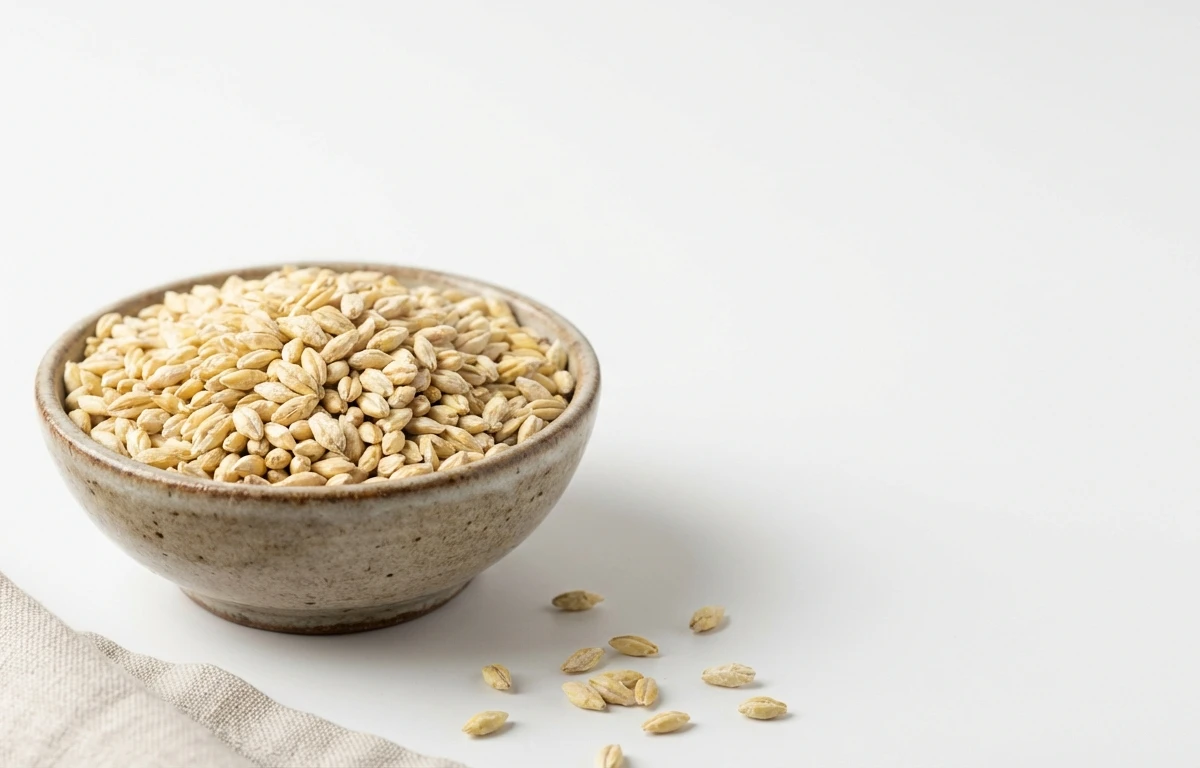
No, it is traditionally brewed from glutinous rice, wheat, barley, and peas, making it unsuitable for those with celiac disease or gluten sensitivity.
What is the best substitute for Chinkiang vinegar?
A mix of balsamic vinegar and a splash of soy sauce is the closest substitute, though it lacks the specific malty funk of the original.
How long does Chinkiang vinegar last?
It has an almost indefinite shelf life due to its acidity, but for the best flavor, it should be used within 2 years of opening.
Can I use it in place of regular rice vinegar?
You can, but it will significantly change the color and flavor profile of the dish, adding a deep brown hue and a smoky depth.
Does it need to be refrigerated after opening?
No, it is shelf-stable at room temperature, though keeping it in a cool place helps preserve its delicate aromatic compounds.
How is Chinkiang vinegar made?
It is produced through a multi-stage fermentation process of grains (rice, wheat, barley) and is often aged for several months to years.
What are the most common uses for it?
It is essential for soup dumplings (Xiao Long Bao), Kung Pao chicken, and various cold appetizers and braised dishes.
RECIPES
Cook with chinkiang vinegar.
1 recipes · sorted by what’s quick