Protein10 recipes
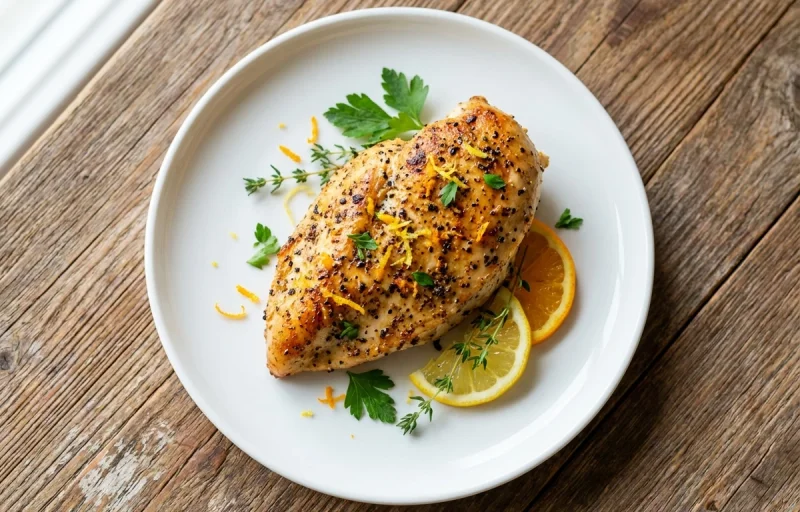
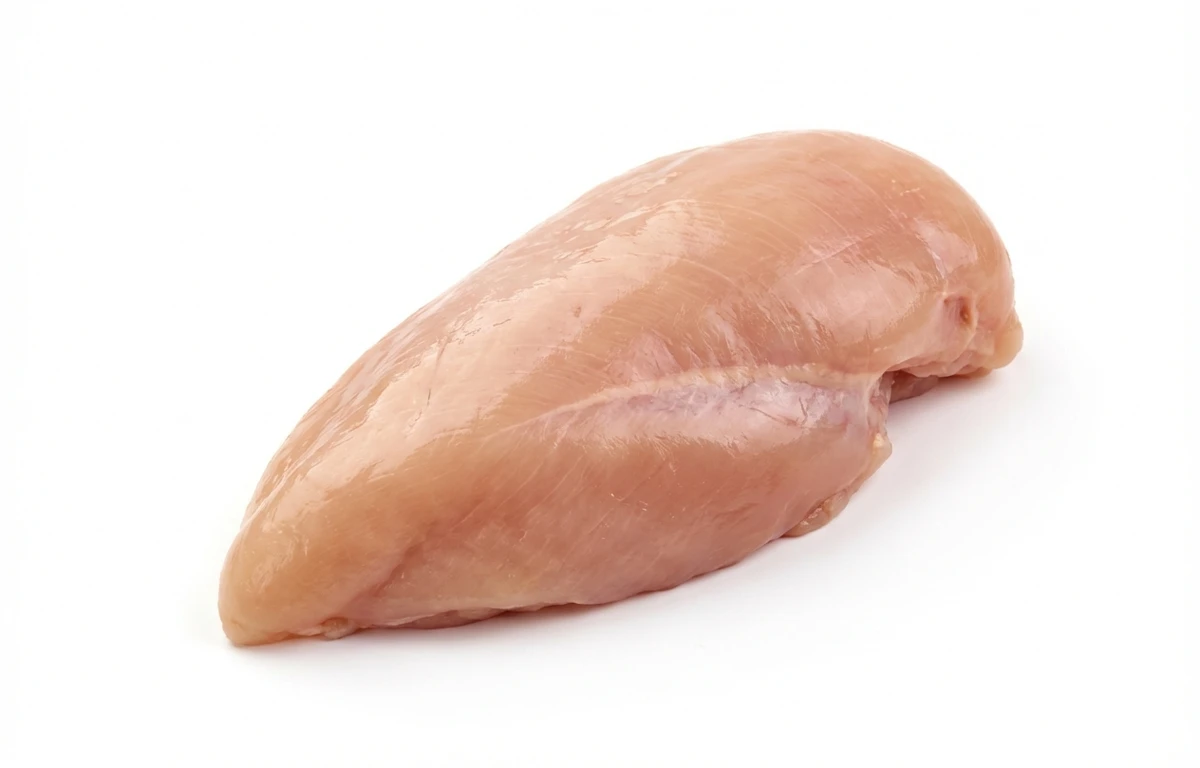
chicken breast.
VegetarianVeganGluten-freeDairy-freeNut-freePeanut-freeSoy-freeEgg-freeShellfish-freeHoney-freeAlcohol-free
ALSO KNOWN AS
skinless boneless chicken breastraw boneless skinless chicken breastmurgh seenaboneless chicken breastmurga chhaatichicken filletchicken breastBSCBboneless, skinless chicken breast
SERVING
CALORIES
165
PROTEIN
31g
CARBS
0g
FAT
3.6g
FIBER
0g
NUTRITION PROFILE · per 100 g
Everything in this ingredient.
MACRONUTRIENTS
Calories165kcal—
Protein31g62%
Carbohydrates0g0%
Fiber0g0%
Sugar0g0%
Total fat3.6g5%
Saturated fat1.0g5%
Trans fat0.02g—
Cholesterol85mg28%
Water65g—
MINERALS
Sodium74mg3%
Potassium290mg6%
Calcium11mg1%
Iron0.70mg4%
Magnesium28mg7%
Phosphorus213mg17%
Zinc0.80mg7%
VITAMINS
Vitamin A0µg0%
Vitamin C0mg0%
Vitamin D0.10µg1%
Vitamin K1.0µg1%
Thiamin (B1)2.0mg167%
Riboflavin (B2)0.12mg9%
Niacin (B3)13.7mg86%
Vitamin B60.60mg35%
%DV based on a 2,000 cal diet. Source: USDA FoodData Central. A dash in the %DV column means there’s no established Daily Value for that nutrient.
MEASUREMENT CONVERSIONS
How much is what.
1 cup140g
1 tablespoon8.8g
1 teaspoon2.9g
1 oz28.4g
1 lb453.6g
1 ml0.6g
1 liter583.3g
1 piece174g
HEALTH BENEFITS
Why eat it.
- ✓Excellent source of lean protein, crucial for muscle growth, repair, and maintenance.
- ✓Rich in B vitamins, particularly Niacin (B3) and B6, which support energy metabolism and nervous system function.
- ✓Provides essential minerals like selenium, an antioxidant that supports immune function, and phosphorus, which is vital for bone health.
- ✓Low in fat and calories compared to other cuts of meat, making it a key component in weight management and heart-healthy diets.
COOKING TIPS
In the kitchen.
- 1For even cooking, pound the chicken breast to a uniform thickness before grilling, pan-searing, or baking.
- 2To prevent dry chicken, use a meat thermometer and cook to a safe internal temperature of 165°F (74°C), then remove from heat immediately.
- 3Brining the chicken in a saltwater solution for 30-60 minutes before cooking can significantly increase its moisture and flavor.
- 4Always let cooked chicken breast rest for 5-10 minutes before slicing to allow the juices to redistribute, ensuring a more tender result.
STORAGE
Keep it fresh.
- Store raw chicken breast in the refrigerator at or below 40°F (4°C) for no more than 1-2 days. Keep it in a sealed container on the bottom shelf to prevent cross-contamination.
- For long-term storage, freeze at 0°F (-18°C) in an airtight container or vacuum-sealed bag for up to 9 months for best quality.
- Thaw frozen chicken breast safely in the refrigerator overnight, in cold water (changed every 30 minutes), or in the microwave.
FAQ
Frequently asked questions.
Is chicken breast healthy?
Yes, chicken breast is a highly nutritious lean protein source. It is low in fat and calories while being rich in essential B vitamins, selenium, and phosphorus, which support energy metabolism and immune function.
How much protein is in chicken breast?
A 100g serving of chicken breast provides approximately 31g of protein. This high protein-to-calorie ratio makes it an excellent choice for muscle growth, repair, and maintenance.
Is chicken breast good for weight loss?
Yes, it is ideal for weight management because it is high in protein and low in fat. The high protein content promotes satiety, helping you feel full longer while consuming fewer calories compared to fattier cuts of meat.
Is chicken breast keto-friendly?
Yes, chicken breast is keto-friendly as it contains zero carbohydrates. However, because it is very lean, those on a strict ketogenic diet often pair it with healthy fats like olive oil or avocado to meet their daily fat requirements.
Is chicken breast gluten-free?
Plain, raw chicken breast is naturally gluten-free. However, you should be cautious with pre-marinated or breaded chicken products, as these often contain wheat-based ingredients or additives that contain gluten.
How do you cook chicken breast without it getting dry?
To keep it juicy, avoid overcooking by using a meat thermometer and removing it from heat once it reaches 165°F (74°C). Brining the chicken in salt water for 30 minutes before cooking or using high-heat methods like searing can also help lock in moisture.
What is the safe internal temperature for cooked chicken breast?
Chicken breast must reach an internal temperature of 165°F (74°C) to be safe for consumption. Always measure the temperature at the thickest part of the breast using a digital meat thermometer.
How long can you store raw chicken breast in the fridge?
Raw chicken breast should be stored in the coldest part of the refrigerator and used within 1 to 2 days of purchase. If you do not plan to cook it within that timeframe, it should be wrapped tightly and frozen immediately.
How do you know if chicken breast has gone bad?
Spoiled chicken breast typically has a sour or ammonia-like smell, a slimy or sticky texture, and may develop a grayish-green color. If the meat exhibits any of these signs, it should be discarded immediately.
Can you freeze chicken breast?
Yes, chicken breast freezes very well for up to 9 months if wrapped tightly in freezer-safe packaging to prevent freezer burn. For the best texture, thaw it slowly in the refrigerator overnight rather than at room temperature.
RECIPES
Cook with chicken breast.
10 recipes · sorted by what’s quick