Seafood
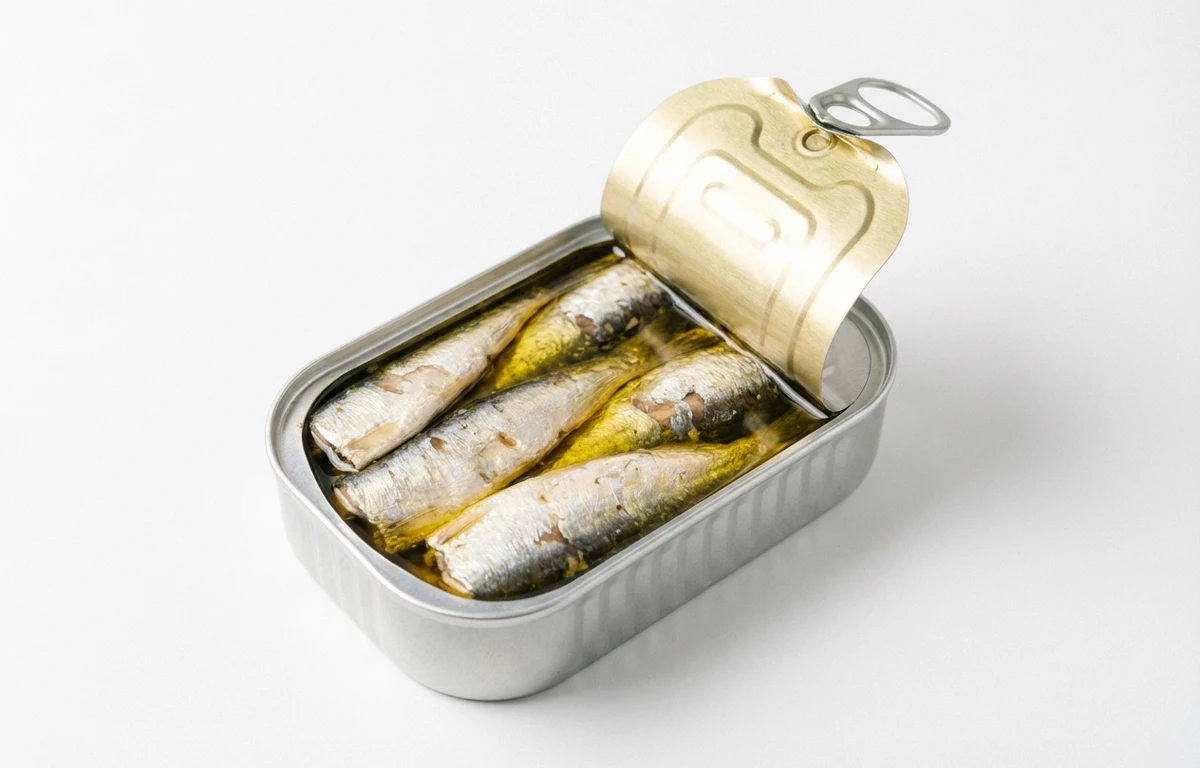
canned pacific sardine.
VegetarianVeganGluten-freeDairy-freeNut-freePeanut-freeSoy-freeEgg-freeShellfish-freeHoney-freeAlcohol-free
SERVING
CALORIES
208
PROTEIN
24.6g
CARBS
0g
FAT
11.5g
FIBER
0g
NUTRITION PROFILE · per 100 g
Everything in this ingredient.
MACRONUTRIENTS
Calories208kcal—
Protein24.6g49%
Carbohydrates0g0%
Fiber0g0%
Sugar0g0%
Total fat11.5g15%
Saturated fat1.5g8%
Trans fat0g—
Cholesterol142mg47%
Water59.6g—
MINERALS
Sodium307mg13%
Potassium397mg8%
Calcium382mg29%
Iron2.9mg16%
Magnesium39mg9%
Phosphorus490mg39%
Zinc1.3mg12%
Copper0.19mg21%
Manganese0.10mg4%
Selenium52.7µg96%
VITAMINS
Vitamin A32µg4%
Vitamin C0mg0%
Vitamin D4.8µg24%
Vitamin E2.0mg13%
Vitamin K2.6µg2%
Thiamin (B1)0.08mg7%
Riboflavin (B2)0.23mg18%
Niacin (B3)5.2mg33%
Pantothenic acid (B5)0.64mg13%
Vitamin B60.17mg10%
Folate (B9)10µg3%
Vitamin B128.9µg371%
%DV based on a 2,000 cal diet. Source: USDA FoodData Central. A dash in the %DV column means there’s no established Daily Value for that nutrient.
MEASUREMENT CONVERSIONS
How much is what.
1 cup180g
1 tablespoon15g
1 oz28.4g
1 lb453.6g
1 piece25g
HEALTH BENEFITS
Why eat it.
- ✓Excellent source of Omega-3 fatty acids for heart health
- ✓High in Vitamin B12 which supports nerve function
- ✓Rich in Calcium and Vitamin D for bone strength
- ✓Contains high-quality complete protein
- ✓Low in mercury compared to larger predatory fish
COOKING TIPS
In the kitchen.
- 1Drain the oil or water thoroughly before adding to salads or pasta
- 2Mash with lemon juice and herbs for a quick, healthy spread
- 3Lightly pan-fry for 1-2 minutes to add a crispy texture to the skin
STORAGE
Keep it fresh.
- Store unopened cans in a cool, dry place for up to 3-5 years
- Once opened, transfer to an airtight glass or plastic container
- Refrigerate opened sardines and consume within 3-4 days
FAQ
Frequently asked questions.
How long do canned sardines last after opening?
Once opened, canned sardines should be transferred to a sealed container and refrigerated. They will stay fresh for 3 to 4 days.
Can you eat the bones in canned sardines?
Yes, the bones in canned sardines are completely edible and soft due to the canning process. They are an excellent source of dietary calcium.
What is the best substitute for canned sardines?
Canned mackerel or canned anchovies are the best substitutes, though anchovies are much saltier and should be used sparingly.
Are canned sardines high in mercury?
No, sardines are at the bottom of the food chain and have very short lifespans, meaning they accumulate significantly less mercury than larger fish like tuna.
Should I buy sardines in oil or water?
Sardines in water have fewer calories, while those in olive oil offer more healthy fats. Avoid those in refined vegetable oils if possible.
Do I need to cook canned sardines?
No, canned sardines are already fully cooked during the canning process and can be eaten straight from the tin.
How can I reduce the strong fishy smell?
Rinsing the sardines gently or adding acidic ingredients like lemon juice, lime, or vinegar can help neutralize the strong aroma.
Are canned sardines sustainable?
Generally, yes. Pacific sardines are often considered a sustainable seafood choice, but it is best to look for the MSC (Marine Stewardship Council) blue label.