Seafood5 recipes
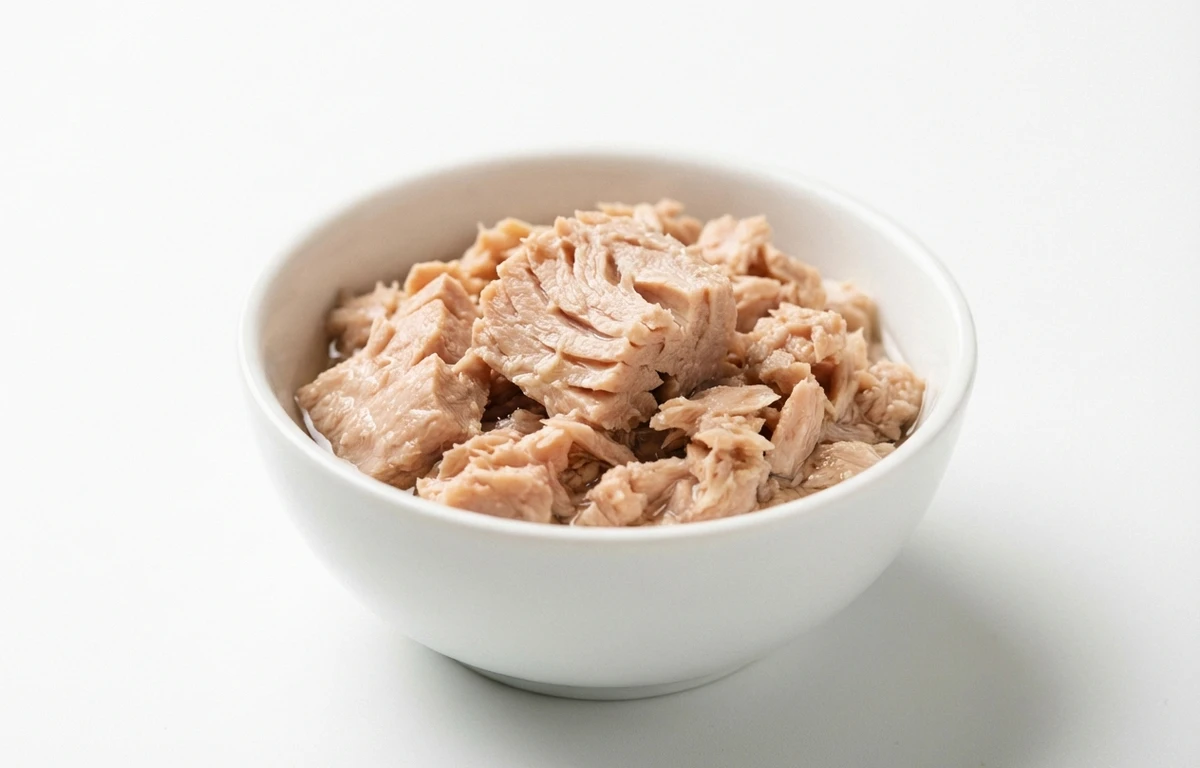
canned light tuna in water.
VegetarianVeganGluten-freeDairy-freeNut-freePeanut-freeSoy-freeEgg-freeShellfish-freeHoney-freeAlcohol-free
ALSO KNOWN AS
canned tuna
SERVING
CALORIES
86
PROTEIN
19.4g
CARBS
0g
FAT
0.96g
FIBER
0g
NUTRITION PROFILE · per 100 g
Everything in this ingredient.
MACRONUTRIENTS
Calories86kcal—
Protein19.4g39%
Carbohydrates0g0%
Fiber0g0%
Sugar0g0%
Total fat0.96g1%
Saturated fat0.21g1%
Trans fat0g—
Cholesterol36mg12%
Water78.1g—
MINERALS
Sodium247mg11%
Potassium179mg4%
Calcium17mg1%
Iron1.6mg9%
Magnesium23mg5%
Phosphorus139mg11%
Zinc0.69mg6%
Copper0.05mg6%
Manganese0.02mg1%
Selenium70.6µg128%
VITAMINS
Vitamin A17µg2%
Vitamin C0mg0%
Vitamin D1.2µg6%
Vitamin E0.33mg2%
Vitamin K0.20µg0%
Thiamin (B1)0.03mg3%
Riboflavin (B2)0.08mg6%
Niacin (B3)10.1mg63%
Pantothenic acid (B5)0.15mg3%
Vitamin B60.32mg19%
Folate (B9)4.0µg1%
Vitamin B122.5µg106%
%DV based on a 2,000 cal diet. Source: USDA FoodData Central. A dash in the %DV column means there’s no established Daily Value for that nutrient.
MEASUREMENT CONVERSIONS
How much is what.
1 cup154g
1 tablespoon9.6g
1 teaspoon3.2g
1 ml0.6g
1 liter641.7g
HEALTH BENEFITS
Why eat it.
- ✓Excellent source of high-quality, lean protein, essential for muscle repair, growth, and satiety.
- ✓Rich in omega-3 fatty acids (EPA and DHA), which support heart health, reduce inflammation, and promote brain function.
- ✓Provides key nutrients like selenium, an antioxidant that supports immune function, and Vitamin D for bone health.
- ✓Low in calories and fat, making it a beneficial food for weight management and healthy diets.
COOKING TIPS
In the kitchen.
- 1Drain the water thoroughly before using to prevent your dish (e.g., tuna salad, pasta) from becoming watery and to better control the final flavor.
- 2Flake the tuna with a fork before mixing it into other ingredients. This ensures even distribution in sandwiches, salads, and casseroles.
- 3Since canned tuna is already cooked, add it at the end of the cooking process for hot dishes like pasta sauces or melts to simply heat it through and prevent it from becoming dry and tough.
- 4Enhance its flavor by mixing with acidic ingredients like lemon juice or vinegar, creamy elements like Greek yogurt or avocado, and fresh herbs like dill or parsley.
STORAGE
Keep it fresh.
- Store unopened cans in a cool, dark, dry place like a pantry for up to 3-5 years. Always check the expiration date on the can.
- After opening, transfer the leftover tuna to an airtight glass or plastic container and refrigerate. Consume within 1-2 days for optimal freshness and safety.
FAQ
Frequently asked questions.
Is canned light tuna in water healthy?
Yes, it is a highly nutritious, lean protein source. It is low in calories and fat while providing essential omega-3 fatty acids, selenium, and Vitamin D, which support heart and brain health.
How much protein is in canned light tuna?
Canned light tuna is packed with protein, offering approximately 19.44g per 100g serving. This makes it an excellent choice for muscle repair, growth, and maintaining satiety throughout the day.
Is canned light tuna good for weight loss?
Absolutely. With only 86 calories and less than 1 gram of fat per 100g, it is a nutrient-dense, low-calorie food. Its high protein content helps you feel full longer, which can help reduce overall calorie intake.
Is canned light tuna keto-friendly?
Yes, canned light tuna in water is perfect for a keto or low-carb diet as it contains 0g of carbohydrates. It provides high-quality protein and healthy fats without any added sugars or starches.
Is canned light tuna gluten-free?
Pure canned tuna in water is naturally gluten-free. However, always check the label for added flavorings or vegetable broths, as some additives in specific brands might contain gluten-derived ingredients.
Do I need to drain canned light tuna before using it?
Most recipes recommend draining the water to prevent dishes like tuna salad or sandwiches from becoming soggy. However, the liquid is safe to consume and contains some nutrients, so it can be used in stocks or pet food.
What is the difference between 'light' tuna and 'white' tuna?
'Light' tuna usually comes from Skipjack or Yellowfin species and has a stronger flavor and softer texture. 'White' tuna refers to Albacore, which is firmer and milder but generally contains higher levels of mercury than light tuna.
How long does canned tuna last once opened?
Once opened, you should transfer the tuna to an airtight glass or plastic container and refrigerate it. It will remain fresh for 3 to 4 days; never store it in the original open metal can.
Is canned light tuna high in mercury?
Canned light tuna is generally lower in mercury than Albacore (white) tuna because it uses smaller fish species. The FDA classifies it as a 'Best Choice,' suggesting 2-3 servings per week is safe for most adults.
How do I know if canned tuna has gone bad?
Before opening, check for bulging, leaking, or deeply dented cans. Once open, discard the tuna if it has a pungent, sour smell, an unusually dark or greenish discoloration, or a slimy texture.
RECIPES
Cook with canned light tuna in water.
5 recipes · sorted by what’s quick