Nut Seed
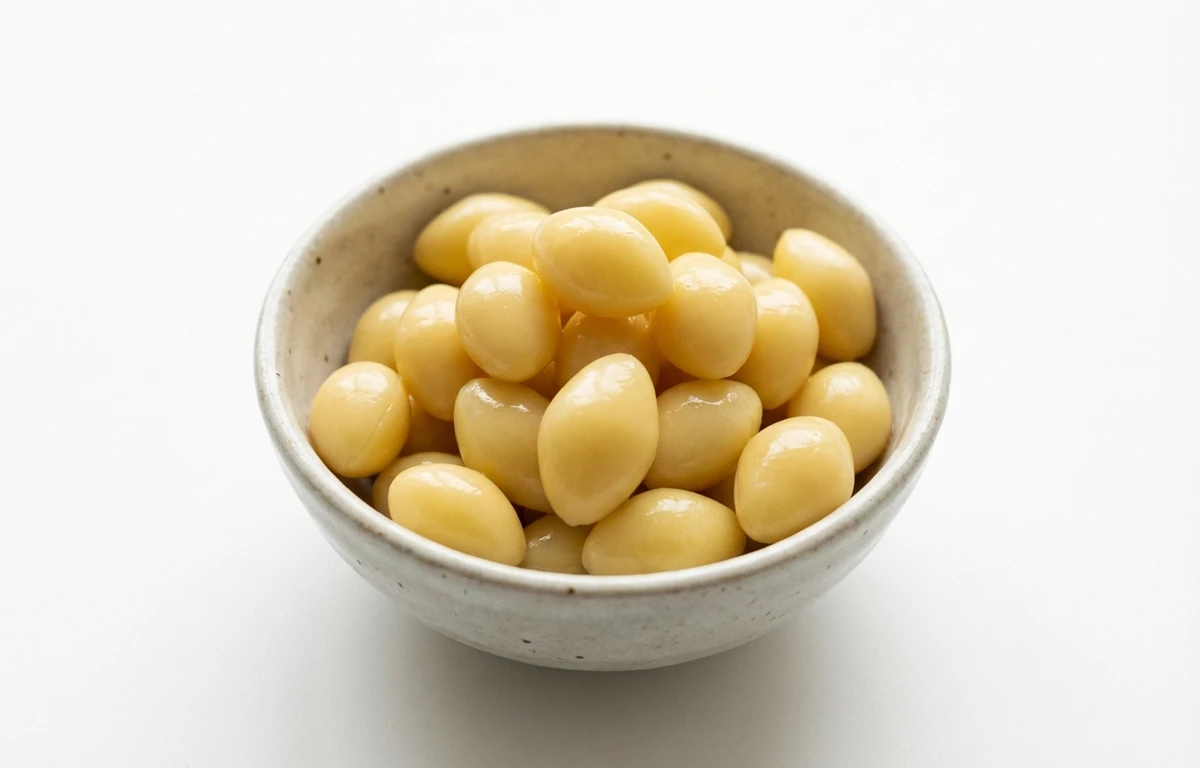
canned ginkgo nuts.
VegetarianVeganGluten-freeDairy-freeNut-freePeanut-freeSoy-freeEgg-freeShellfish-freeHoney-freeAlcohol-free
ALSO KNOWN AS
ginkgo nuts
SERVING
CALORIES
182
PROTEIN
4.3g
CARBS
37.6g
FAT
1.7g
FIBER
2.0g
NUTRITION PROFILE · per 100 g
Everything in this ingredient.
MACRONUTRIENTS
Calories182kcal—
Protein4.3g9%
Carbohydrates37.6g14%
Fiber2.0g7%
Sugar7.0g14%
Total fat1.7g2%
Saturated fat0.30g2%
Trans fat0g—
Cholesterol0mg0%
Water55.2g—
MINERALS
Sodium250mg11%
Potassium510mg11%
Calcium2.0mg0%
Iron1.0mg6%
Magnesium27mg6%
Phosphorus105mg8%
Zinc0.30mg3%
Copper0.27mg30%
Manganese0.11mg5%
Selenium0.80µg1%
VITAMINS
Vitamin A28µg3%
Vitamin C15mg17%
Vitamin D0µg0%
Vitamin E1.5mg10%
Vitamin K0µg0%
Thiamin (B1)0.22mg18%
Riboflavin (B2)0.09mg7%
Niacin (B3)2.1mg13%
Pantothenic acid (B5)0.16mg3%
Vitamin B60.33mg19%
Folate (B9)54µg14%
Vitamin B120µg0%
%DV based on a 2,000 cal diet. Source: USDA FoodData Central. A dash in the %DV column means there’s no established Daily Value for that nutrient.
MEASUREMENT CONVERSIONS
How much is what.
1 cup155g
1 tablespoon9.7g
1 teaspoon3.2g
1 ml0.6g
1 liter645.8g
HEALTH BENEFITS
Why eat it.
- ✓Rich in antioxidants, such as flavonoids and terpenoids, which help protect cells from oxidative damage.
- ✓Traditionally used in Asian medicine to support respiratory health and alleviate symptoms of coughs and asthma.
- ✓Provides a source of various nutrients, including vitamin C, niacin, potassium, and copper.
- ✓Note: Must be consumed cooked and in moderation to avoid toxicity from ginkgotoxin.
COOKING TIPS
In the kitchen.
- 1Always rinse canned ginkgo nuts under cool water before use to remove the canning liquid and reduce any metallic taste.
- 2Add to soups, congee, stir-fries, or braised dishes like Buddha's Delight during the last 15-20 minutes of cooking to heat them through without making them mushy.
- 3The nuts have a unique texture that is soft and chewy, with a flavor that is slightly sweet and mildly bitter, pairing well with savory and rich ingredients.
- 4For a simple preparation, thread them onto skewers and grill or roast until lightly golden, then season with salt.
STORAGE
Keep it fresh.
- Store unopened cans in a cool, dark, and dry place like a pantry for up to the expiration date, typically 1-2 years.
- After opening, transfer the ginkgo nuts and their liquid to an airtight container, refrigerate, and consume within 3-5 days.
FAQ
Frequently asked questions.
Are canned ginkgo nuts healthy?
Yes, canned ginkgo nuts are healthy when consumed in moderation. They are rich in antioxidants like flavonoids and terpenoids, which protect cells from oxidative damage, and provide essential minerals like potassium and copper.
What are the health benefits of ginkgo nuts?
Ginkgo nuts have been used in traditional medicine to support respiratory health and alleviate symptoms of asthma and coughs. They also contain vitamin C and niacin, which support the immune system and metabolic health.
How many calories and carbs are in canned ginkgo nuts?
A 100g serving of canned ginkgo nuts contains approximately 182 calories and 37.6g of carbohydrates. Unlike most nuts, they are high in starch and very low in fat, containing only about 1.7g per serving.
Are canned ginkgo nuts vegan and gluten-free?
Yes, canned ginkgo nuts are naturally vegan and gluten-free. However, always check the label of the canning brine or syrup to ensure no gluten-based thickeners or animal-derived additives were used during processing.
Are ginkgo nuts keto-friendly?
No, ginkgo nuts are not considered keto-friendly. With 37.6g of carbohydrates per 100g, they are significantly higher in carbs and lower in fat than nuts typically allowed on a ketogenic diet.
How do you use canned ginkgo nuts in cooking?
Canned ginkgo nuts are usually pre-cooked and ready to use after rinsing. They are commonly added to savory soups, stir-fries, congee, or traditional Asian desserts like bird's nest soup or sweet taro paste.
What do ginkgo nuts taste like?
Ginkgo nuts have a unique, mild flavor that is slightly sweet with a subtle bitter undertone. Their texture is dense, soft, and chewy, often compared to a cross between a roasted chestnut and a firm bean.
How should I store canned ginkgo nuts after opening?
Once the can is opened, transfer the nuts and their liquid into a clean, airtight container. Store them in the refrigerator and consume them within 3 to 5 days for optimal freshness.
Are ginkgo nuts safe to eat raw?
No, ginkgo nuts should never be eaten raw because they contain ginkgotoxin, which can be toxic. While canning and cooking significantly reduce toxin levels, they must still be consumed in limited quantities.
How many ginkgo nuts can I eat per day?
Due to the presence of ginkgotoxin, it is recommended that adults limit their intake to 5–10 nuts per day. Children are much more sensitive to the toxin and should consume them very sparingly or avoid them altogether.