Other1 recipes
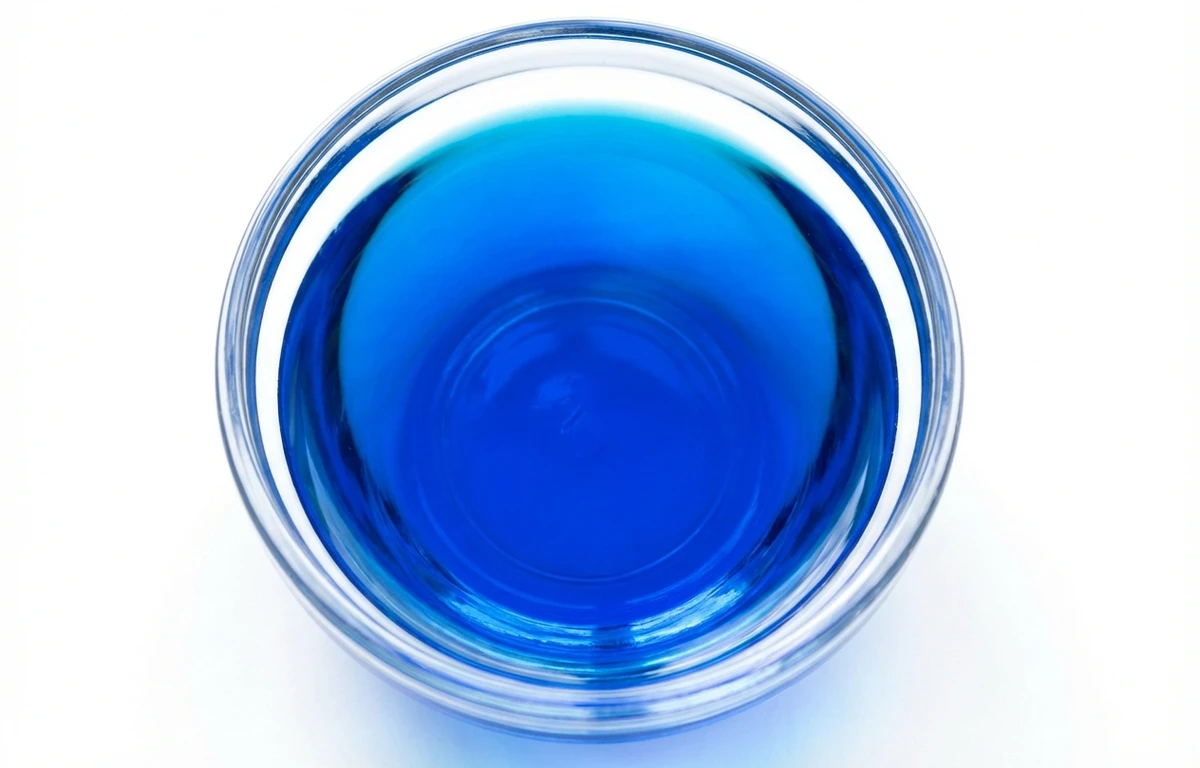
blue food coloring.
VegetarianVeganGluten-freeDairy-freeNut-freePeanut-freeSoy-freeEgg-freeShellfish-freeHoney-freeAlcohol-free
ALSO KNOWN AS
food coloring blueblue food dye
SERVING
CALORIES
50
PROTEIN
0g
CARBS
12g
FAT
0g
FIBER
0g
NUTRITION PROFILE · per 100 g
Everything in this ingredient.
MACRONUTRIENTS
Calories50kcal—
Protein0g0%
Carbohydrates12g4%
Fiber0g0%
Sugar0g0%
Total fat0g0%
Saturated fat0g0%
Cholesterol0mg0%
Water82.5g—
MINERALS
Sodium5.0mg0%
Potassium0mg0%
Calcium0mg0%
Iron0mg0%
VITAMINS
Vitamin A0µg0%
Vitamin C0mg0%
Vitamin D0µg0%
Vitamin K1.0µg1%
Thiamin (B1)2.0mg167%
%DV based on a 2,000 cal diet. Source: USDA FoodData Central. A dash in the %DV column means there’s no established Daily Value for that nutrient.
MEASUREMENT CONVERSIONS
How much is what.
1 cup236.6g
1 tablespoon14.8g
1 teaspoon4.9g
1 oz28.4g
1 lb453.6g
1 ml1g
1 liter1000g
HEALTH BENEFITS
Why eat it.
- ✓Primarily used for aesthetic purposes to enhance the visual appeal of foods and beverages.
- ✓Contains no significant nutritional value, vitamins, or minerals.
- ✓Natural blue colorings like spirulina or butterfly pea flower extract may contain antioxidants, unlike synthetic dyes (e.g., FD&C Blue No. 1).
COOKING TIPS
In the kitchen.
- 1Add coloring drop by drop, as it is highly concentrated. It's easier to add more than to correct a color that is too dark.
- 2For even color distribution in batters or frostings, mix the coloring with the wet ingredients before combining with the dry ingredients.
- 3Be aware that blue coloring can turn greenish when mixed with yellowish ingredients like butter or egg yolks.
- 4To create purple, mix blue with red food coloring. To create green, mix blue with yellow.
STORAGE
Keep it fresh.
- Store in a cool, dark place such as a pantry, away from direct sunlight and heat to prevent the color from fading.
- Keep the container tightly sealed to prevent evaporation of liquid coloring or hardening of gel/powder forms.
FAQ
Frequently asked questions.
Is blue food coloring healthy?
Blue food coloring is primarily used for aesthetic purposes and provides no significant nutritional value. While synthetic dyes like FD&C Blue No. 1 are FDA-approved, natural alternatives like spirulina or butterfly pea flower extract may offer minor antioxidant benefits.
How many calories and carbs are in blue food coloring?
Per 100g, blue food coloring contains approximately 50 calories and 12g of carbohydrates, with zero protein or fat. Since most recipes only require a few drops, the nutritional impact per serving is negligible.
Is blue food coloring vegan?
Most synthetic blue food colorings are vegan as they are derived from chemical synthesis rather than animal products. Natural blue dyes from plant sources like spirulina are also vegan, but always check the label for additives like glycerin which could occasionally be animal-derived.
Is blue food coloring gluten-free?
Generally, blue food coloring is gluten-free as it is made from synthetic dyes or plant extracts. However, some brands may use carriers or processing aids that contain gluten, so it is best to look for a certified gluten-free label if you have a severe sensitivity.
Does blue food coloring change the flavor of baked goods?
High-quality gel or liquid blue food coloring is usually tasteless in small amounts. However, using excessive amounts of liquid dye can sometimes introduce a slightly bitter or metallic aftertaste, especially with certain synthetic formulas.
What is the difference between liquid and gel blue food coloring?
Liquid coloring is water-based and best for light tints, but can thin out batters. Gel coloring is more concentrated, providing vibrant blue hues without changing the consistency of frostings or doughs, making it the preferred choice for professional baking.
Can I make natural blue food coloring at home?
Yes, you can create natural blue dye by boiling red cabbage and adding a pinch of baking soda to the purple liquid to shift the pH to blue. Alternatively, powders made from butterfly pea flowers or spirulina can be used for a natural, vibrant blue.
How should I store blue food coloring?
Blue food coloring should be stored in a cool, dry, and dark place, such as a pantry or cupboard. Exposure to direct sunlight can cause the pigment to fade over time, especially in natural varieties which are more light-sensitive.
Does blue food coloring expire?
Most synthetic food colorings have a long shelf life of 2 to 4 years; they don't usually spoil in a way that makes them unsafe, but they may lose potency or dry out. Natural blue colorings usually have a shorter shelf life and should be used within a year for best results.
Is blue food coloring safe for children?
Synthetic blue dyes are FDA-approved for consumption, but some parents choose to avoid them due to concerns regarding hyperactivity in sensitive children. For a more natural alternative, look for dyes derived from plants like spirulina or red cabbage.
RECIPES
Cook with blue food coloring.
1 recipes · sorted by what’s quick