Protein10 recipes
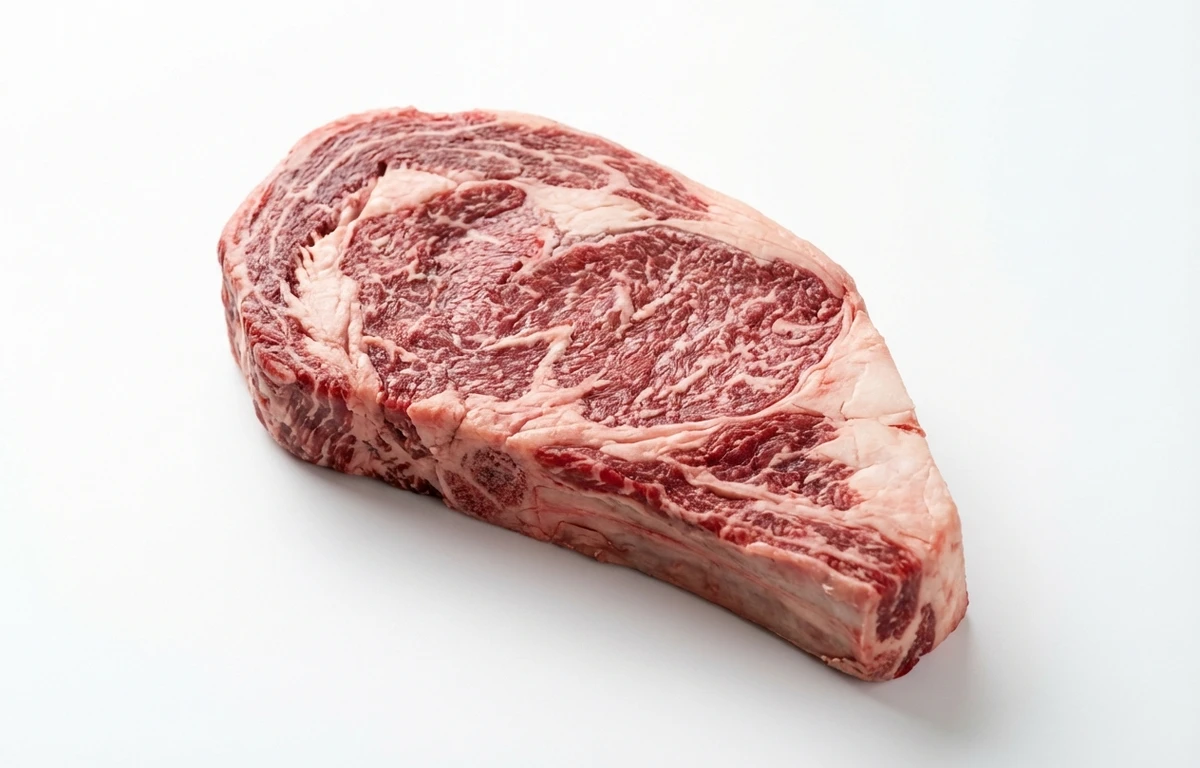
beef.
VegetarianVeganGluten-freeDairy-freeNut-freePeanut-freeSoy-freeEgg-freeShellfish-freeHoney-freeAlcohol-free
ALSO KNOWN AS
cow meatgosht
SERVING
CALORIES
250
PROTEIN
26.1g
CARBS
0g
FAT
15.4g
FIBER
0g
NUTRITION PROFILE · per 100 g
Everything in this ingredient.
MACRONUTRIENTS
Calories250kcal—
Protein26.1g52%
Carbohydrates0g0%
Fiber0g0%
Sugar0g0%
Total fat15.4g20%
Saturated fat5.9g30%
Trans fat1.1g—
Cholesterol90mg30%
Water58.5g—
MINERALS
Sodium72mg3%
Potassium318mg7%
Calcium18mg1%
Iron2.6mg14%
Magnesium21mg5%
Phosphorus198mg16%
Zinc6.3mg57%
Copper0.10mg11%
Manganese0.01mg0%
Selenium22.4µg41%
VITAMINS
Vitamin A0µg0%
Vitamin C0mg0%
Vitamin D0.10µg1%
Vitamin E0.12mg1%
Vitamin K1.1µg1%
Thiamin (B1)0.08mg7%
Riboflavin (B2)0.18mg14%
Niacin (B3)5.3mg33%
Pantothenic acid (B5)0.60mg12%
Vitamin B60.40mg24%
Folate (B9)7.0µg2%
Vitamin B122.6µg108%
%DV based on a 2,000 cal diet. Source: USDA FoodData Central. A dash in the %DV column means there’s no established Daily Value for that nutrient.
MEASUREMENT CONVERSIONS
How much is what.
1 cup226g
1 tablespoon14g
1 teaspoon4.7g
1 ml0.9g
1 liter933.3g
HEALTH BENEFITS
Why eat it.
- ✓Rich source of high-quality complete protein, essential for muscle growth, repair, and maintenance.
- ✓Excellent source of heme iron, which is more easily absorbed by the body than non-heme iron from plants, helping to prevent anemia.
- ✓Provides significant amounts of Vitamin B12, crucial for nerve function, red blood cell formation, and DNA synthesis.
- ✓Contains abundant zinc, which supports immune function, wound healing, and cell growth.
COOKING TIPS
In the kitchen.
- 1For tender steaks, pat the meat dry before seasoning and sear in a hot pan to develop a flavorful crust (Maillard reaction).
- 2Use a meat thermometer to ensure desired doneness: 125°F (52°C) for rare, 135°F (57°C) for medium-rare, 145°F (63°C) for medium.
- 3Allow cooked beef, especially roasts and steaks, to rest for 5-15 minutes before slicing to allow juices to redistribute, resulting in a more tender and flavorful cut.
- 4Tougher cuts like chuck or brisket are ideal for slow cooking methods like braising or stewing, which breaks down connective tissue and results in tender meat.
STORAGE
Keep it fresh.
- Store raw beef in the coldest part of the refrigerator (at or below 40°F / 4°C) for up to 3-5 days for steaks and roasts, or 1-2 days for ground beef.
- For long-term storage, wrap beef tightly in plastic wrap, foil, or a freezer bag and freeze at 0°F (-18°C) for 6-12 months for best quality.
FAQ
Frequently asked questions.
Is beef healthy?
Yes, beef is a nutrient-dense food providing high-quality complete protein, heme iron, Vitamin B12, and zinc. These nutrients support muscle maintenance, immune health, and red blood cell formation. However, it is best consumed in moderation as part of a balanced diet due to its saturated fat content.
How much protein is in beef?
Beef is an excellent source of protein, containing approximately 26.1g per 100g serving. This protein is 'complete,' meaning it provides all the essential amino acids your body needs for muscle repair and growth.
Is beef keto-friendly and low-carb?
Yes, beef is ideal for ketogenic and low-carb diets as it contains 0g of carbohydrates. Its high protein and moderate fat content (15.4g per 100g) help maintain ketosis while providing essential micronutrients.
Is beef gluten-free?
Plain, unprocessed beef is naturally gluten-free. However, you should check labels on pre-marinated beef, beef jerky, or processed products like meatballs, as they may contain wheat-based thickeners, soy sauce, or fillers.
Is beef good for weight loss?
Beef can support weight loss because its high protein content increases satiety, helping you feel full longer. To manage calorie intake, choose leaner cuts like sirloin or tenderloin, which provide the nutritional benefits with fewer calories from fat.
How do you know when beef is safely cooked?
The safest method is using a meat thermometer. Steaks and roasts should reach an internal temperature of 145°F (63°C) followed by a three-minute rest, while ground beef must be cooked to 160°F (71°C) to ensure harmful bacteria are destroyed.
How long does raw beef last in the refrigerator?
Raw steaks, chops, and roasts can be stored in the refrigerator for 3 to 5 days. Ground beef and organ meats are more perishable and should be cooked or frozen within 1 to 2 days of purchase.
Can you freeze beef, and how long does it last?
Yes, beef can be frozen indefinitely if kept at 0°F, though quality is best if used within 4 to 12 months for steaks and 3 to 4 months for ground beef. Ensure it is wrapped airtight to prevent freezer burn.
How can you tell if beef has spoiled?
Spoiled beef will typically have a sour or ammonia-like smell, a slimy or sticky texture, and may develop a greenish or dark brown tint. While slight browning (oxidation) can be normal, any off-odors or textural changes indicate it should be discarded.
What are the benefits of the iron found in beef?
Beef is an excellent source of heme iron, which is the form of iron most easily absorbed by the human body. This makes it highly effective at preventing iron-deficiency anemia and supporting overall energy levels.
RECIPES
Cook with beef.
10 recipes · sorted by what’s quick