Oil
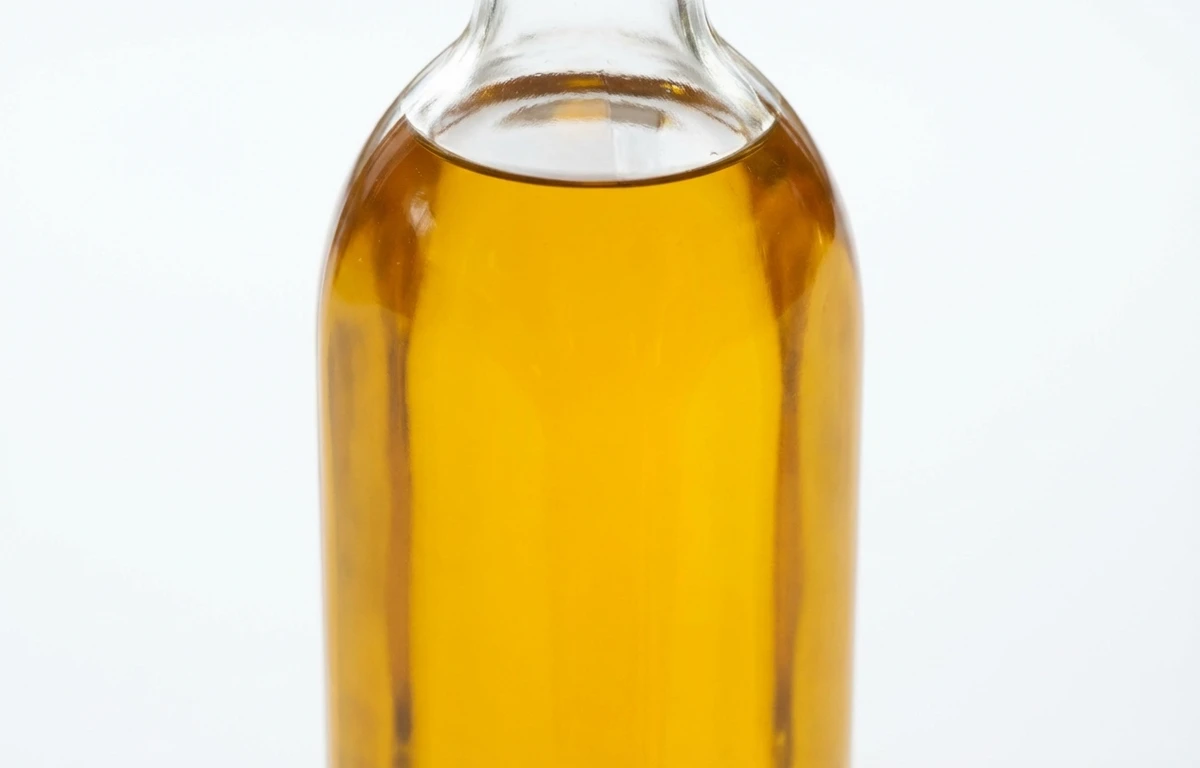
bearded seal oil.
VegetarianVeganGluten-freeDairy-freeNut-freePeanut-freeSoy-freeEgg-freeShellfish-freeHoney-freeAlcohol-freeHalalKosher
SERVING
CALORIES
900
PROTEIN
0g
CARBS
0g
FAT
100g
FIBER
0g
NUTRITION PROFILE · per 100 g
Everything in this ingredient.
MACRONUTRIENTS
Calories900kcal—
Protein0g0%
Carbohydrates0g0%
Fiber0g0%
Sugar0g0%
Total fat100g128%
Saturated fat18.2g91%
Trans fat0g—
Cholesterol120mg40%
Water0g—
MINERALS
Sodium0mg0%
Potassium0mg0%
Calcium0mg0%
Iron0mg0%
Magnesium0mg0%
Phosphorus0mg0%
Zinc0mg0%
Copper0mg0%
Manganese0mg0%
Selenium0µg0%
VITAMINS
Vitamin A150µg17%
Vitamin C0mg0%
Vitamin D10µg50%
Vitamin E2.1mg14%
Vitamin K0µg0%
Thiamin (B1)0mg0%
Riboflavin (B2)0mg0%
Niacin (B3)0mg0%
Pantothenic acid (B5)0mg0%
Vitamin B60mg0%
Folate (B9)0µg0%
Vitamin B120µg0%
%DV based on a 2,000 cal diet. Source: USDA FoodData Central. A dash in the %DV column means there’s no established Daily Value for that nutrient.
MEASUREMENT CONVERSIONS
How much is what.
1 cup217.7g
1 tablespoon13.6g
1 teaspoon4.5g
1 ml0.9g
1 liter906.7g
HEALTH BENEFITS
Why eat it.
- ✓Extremely rich in omega-3 fatty acids (EPA and DPA), which support cardiovascular health and reduce inflammation.
- ✓Excellent source of Vitamin D, crucial for bone health and immune function, particularly in regions with limited sun exposure.
- ✓Provides a high-density source of energy, essential for sustenance in cold climates.
- ✓Contains Vitamin A, which is important for vision, immune function, and cellular growth.
COOKING TIPS
In the kitchen.
- 1Traditionally used as a dipping sauce for dried or frozen meats and fish in Inuit cuisine.
- 2Can be consumed raw as a dietary supplement for its high nutrient content.
- 3It has a very strong, distinct, and fishy flavor, making it best suited for traditional dishes rather than as a general-purpose cooking oil.
- 4Due to its high content of polyunsaturated fats, it has a low smoke point and is not suitable for high-heat cooking like frying.
STORAGE
Keep it fresh.
- Store in a cool, dark place away from direct sunlight and heat to prevent oxidation and rancidity.
- Once opened, keep it in an airtight container in the refrigerator to prolong its shelf life.
FAQ
Frequently asked questions.
Is bearded seal oil healthy?
Yes, bearded seal oil is highly nutritious, particularly for cardiovascular and immune health. It is exceptionally rich in omega-3 fatty acids (EPA and DPA) and fat-soluble vitamins A and D, though it should be consumed in moderation due to its high caloric density of 900 calories per 100g.
What are the primary health benefits of bearded seal oil?
The oil is a potent source of omega-3s which reduce inflammation and support heart health. Its high Vitamin D content is essential for bone strength and immune function, while Vitamin A supports healthy vision and cellular growth.
Is bearded seal oil keto-friendly?
Yes, bearded seal oil is ideal for a ketogenic or low-carb diet. It contains 100g of fat and 0g of carbohydrates per 100g, providing a dense source of healthy fats and energy without affecting blood sugar levels.
Is bearded seal oil vegan or vegetarian?
No, bearded seal oil is neither vegan nor vegetarian. It is an animal-derived product rendered from the blubber of the bearded seal, a marine mammal.
How is bearded seal oil traditionally used in cooking?
It is traditionally used as a dipping sauce for dried meats and fish, or as a preservative for wild berries and greens. It is also frequently added to soups and stews to provide a high-energy boost in cold climates.
What does bearded seal oil taste like?
Bearded seal oil has a very distinct, robust, and pungent flavor profile often described as 'fishy' or 'gamey.' It is much more flavorful and savory than standard vegetable or seed oils.
How should bearded seal oil be stored?
To prevent oxidation and rancidity, store bearded seal oil in a cool, dark place or in the refrigerator. It should be kept in an airtight container to protect the sensitive omega-3 fatty acids from light and air.
How do you know if bearded seal oil has gone bad?
While the oil has a naturally strong scent, spoiled oil will develop an unpleasantly sour or harsh 'off' odor. If the oil tastes excessively bitter or causes a sharp burning sensation in the throat, it has likely oxidized and should be discarded.
Can I use bearded seal oil for high-heat frying?
It is not recommended for high-heat frying because its high concentration of polyunsaturated fats (omega-3s) makes it unstable at high temperatures. It is best used as a finishing oil, a dip, or added to food after cooking.
Does bearded seal oil contain any protein or fiber?
No, bearded seal oil is a pure fat source. It contains 0g of protein, 0g of fiber, and 0g of carbohydrates, consisting entirely of lipids and fat-soluble vitamins.