Other1 recipes
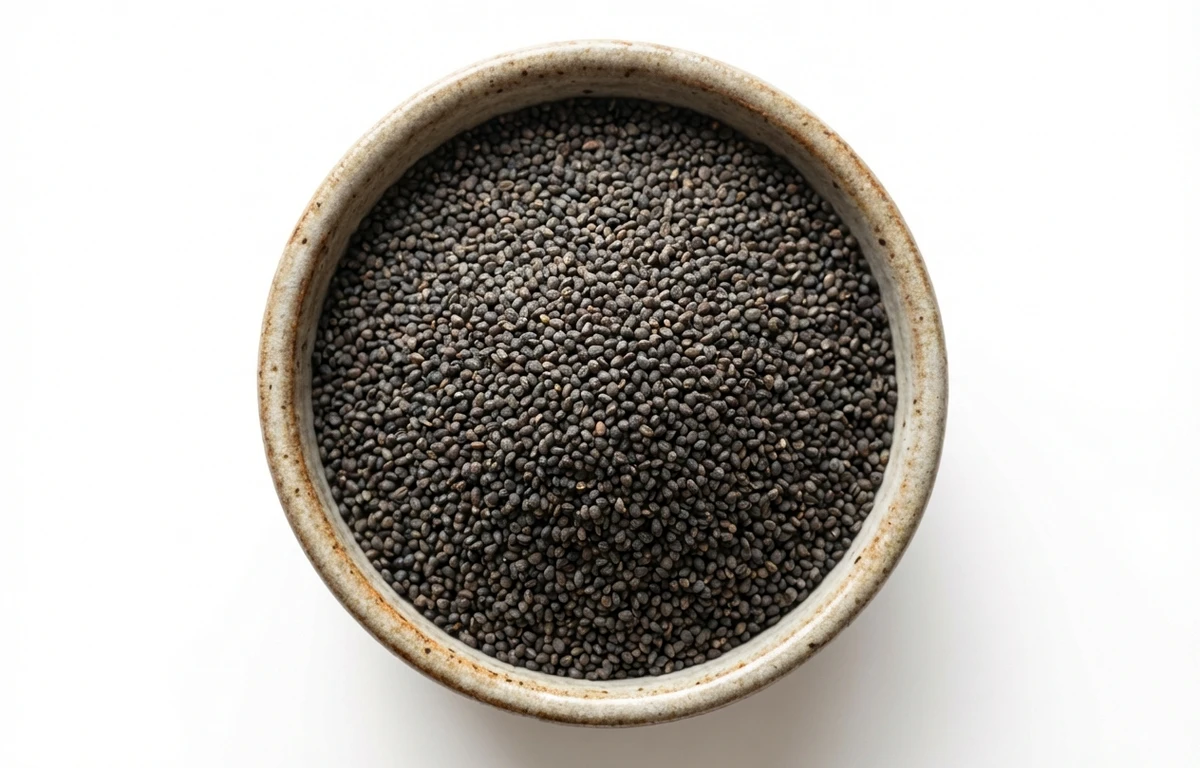
basil seeds.
VegetarianVeganGluten-freeDairy-freeNut-freePeanut-freeSoy-freeEgg-freeShellfish-freeHoney-freeAlcohol-free
ALSO KNOWN AS
sabja seedsfalooda seedstukmaria seeds
SERVING
CALORIES
442
PROTEIN
14.8g
CARBS
48.3g
FAT
20.7g
FIBER
42.3g
NUTRITION PROFILE · per 100 g
Everything in this ingredient.
MACRONUTRIENTS
Calories442kcal—
Protein14.8g30%
Carbohydrates48.3g18%
Fiber42.3g151%
Sugar0.30g1%
Total fat20.7g27%
Saturated fat2.3g12%
Cholesterol0mg0%
Water7.8g—
MINERALS
Sodium49mg2%
Potassium1387mg30%
Calcium244mg19%
Iron3.2mg18%
Magnesium317mg75%
Phosphorus577mg46%
Zinc3.1mg28%
Copper0.60mg67%
Manganese2.3mg100%
Selenium11.7µg21%
VITAMINS
Vitamin A0µg0%
Vitamin C0mg0%
Vitamin D0µg0%
Vitamin E0mg0%
Vitamin K0µg0%
Thiamin (B1)0.06mg5%
Riboflavin (B2)0.03mg2%
Niacin (B3)1.3mg8%
Pantothenic acid (B5)0.10mg2%
Vitamin B60.08mg5%
Folate (B9)10µg3%
Vitamin B120µg0%
%DV based on a 2,000 cal diet. Source: USDA FoodData Central. A dash in the %DV column means there’s no established Daily Value for that nutrient.
MEASUREMENT CONVERSIONS
How much is what.
1 cup190g
1 tablespoon12g
1 teaspoon4g
1 ml0.8g
1 liter800g
HEALTH BENEFITS
Why eat it.
- ✓Rich in soluble fiber, which aids digestion, promotes a feeling of fullness, and may help control blood sugar levels.
- ✓A good source of plant-based omega-3 fatty acids (ALA), which are beneficial for heart and brain health.
- ✓Contain important minerals like calcium, magnesium, and iron, supporting bone health and energy metabolism.
- ✓The gelatinous texture created when soaked can have a cooling effect on the body, making them popular in traditional summer drinks.
COOKING TIPS
In the kitchen.
- 1Always soak basil seeds in liquid (water, juice, milk) for at least 15-30 minutes before consuming. They will swell and form a gelatinous coating.
- 2Use a ratio of about 1 tablespoon of seeds to 1 cup of liquid for a good consistency in drinks or puddings.
- 3Basil seeds have a neutral flavor, allowing them to easily absorb the taste of the liquid they are soaked in, making them versatile for beverages, desserts, and smoothies.
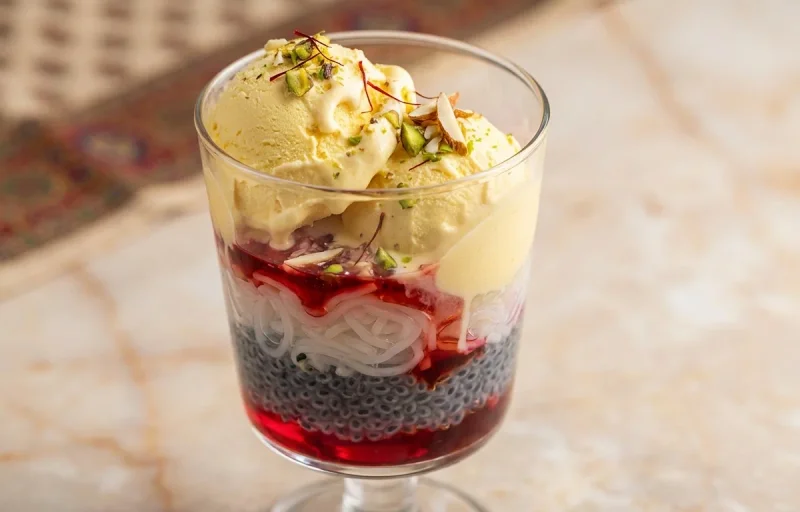
- 4Add soaked seeds to drinks like lemonade, falooda, or iced tea for a unique texture, or use them as a thickener for puddings and yogurt.
STORAGE
Keep it fresh.
- Store dry basil seeds in an airtight container in a cool, dark, and dry place, such as a pantry, for up to several years.
- Once soaked in liquid, store the gel-like mixture in a covered container in the refrigerator and consume within 2-3 days.
FAQ
Frequently asked questions.
Are basil seeds healthy?
Yes, basil seeds are highly nutritious and offer several health benefits. They are an excellent source of soluble fiber, which aids digestion, and contain plant-based omega-3 fatty acids (ALA) that support heart and brain health. Additionally, they provide essential minerals like calcium, magnesium, and iron.
How much protein and fiber are in basil seeds?
Basil seeds are quite nutrient-dense, containing approximately 14.8g of protein and a high amount of soluble fiber per 100g. While they contain 442 calories per 100g, they are typically consumed in small servings of one to two tablespoons, making them a low-calorie addition to most meals.
Are basil seeds good for weight loss?
Basil seeds can be a helpful tool for weight management because of their high fiber content. When soaked, they expand and create a gelatinous texture that promotes a feeling of fullness, which can help reduce overall calorie intake by curbing appetite.
Are basil seeds vegan and gluten-free?
Yes, basil seeds are naturally vegan and gluten-free. They are a plant-based seed that is safe for individuals with celiac disease or gluten sensitivities and serve as a great source of minerals for those on a vegan diet.
Are basil seeds keto-friendly?
In moderation, basil seeds can fit into a keto diet. Although they contain 48.3g of carbohydrates per 100g, a standard serving size is very small (about 10-15g), and a significant portion of those carbs comes from fiber, which is not absorbed by the body.
How do you prepare basil seeds for eating?
To prepare basil seeds, soak about two teaspoons of seeds in one cup of warm water or liquid for 15 to 30 minutes. Once they have swelled into translucent, gelatinous pearls with a dark center, they are ready to be added to drinks, desserts, or yogurts.
What do basil seeds taste like?
Basil seeds have a very mild, neutral flavor that is barely noticeable. Their main appeal is their texture, which is crunchy when dry and becomes soft and gelatinous once soaked, easily absorbing the flavors of the liquids they are paired with.
Can I substitute basil seeds for chia seeds?
Yes, basil seeds and chia seeds are often used interchangeably. Basil seeds tend to swell faster (15 minutes compared to 30+ for chia) and become slightly larger and more gelatinous, but they offer similar nutritional benefits and thickening properties.
How should I store basil seeds and how long do they last?
Dry basil seeds should be stored in an airtight container in a cool, dry place away from direct sunlight. When kept dry, they can last for up to two years; however, once they are soaked in liquid, they should be kept in the refrigerator and consumed within 2-3 days.
Can I eat basil seeds raw without soaking?
While you can technically eat them raw, it is not recommended because they are very hard and difficult to chew. Soaking them first ensures they are easy to digest and allows you to benefit from their hydrating, cooling properties and soluble fiber.
RECIPES
Cook with basil seeds.
1 recipes · sorted by what’s quick