vegetable1 recipes
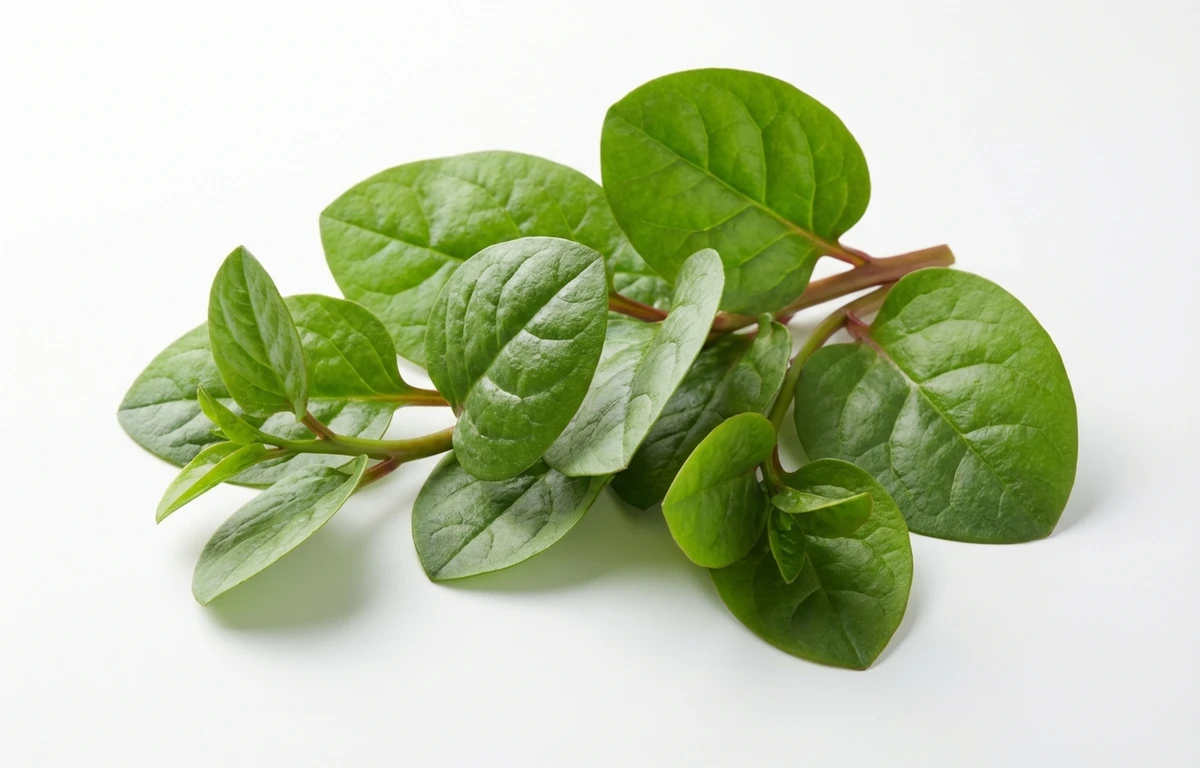
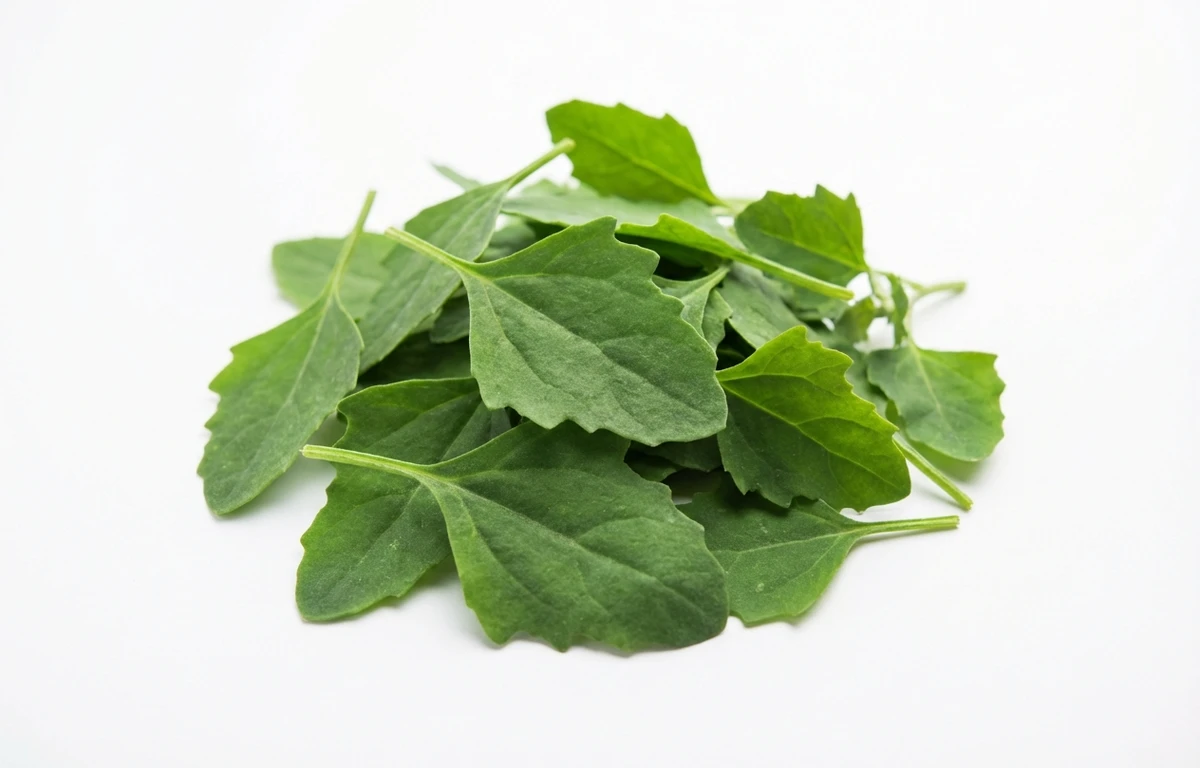
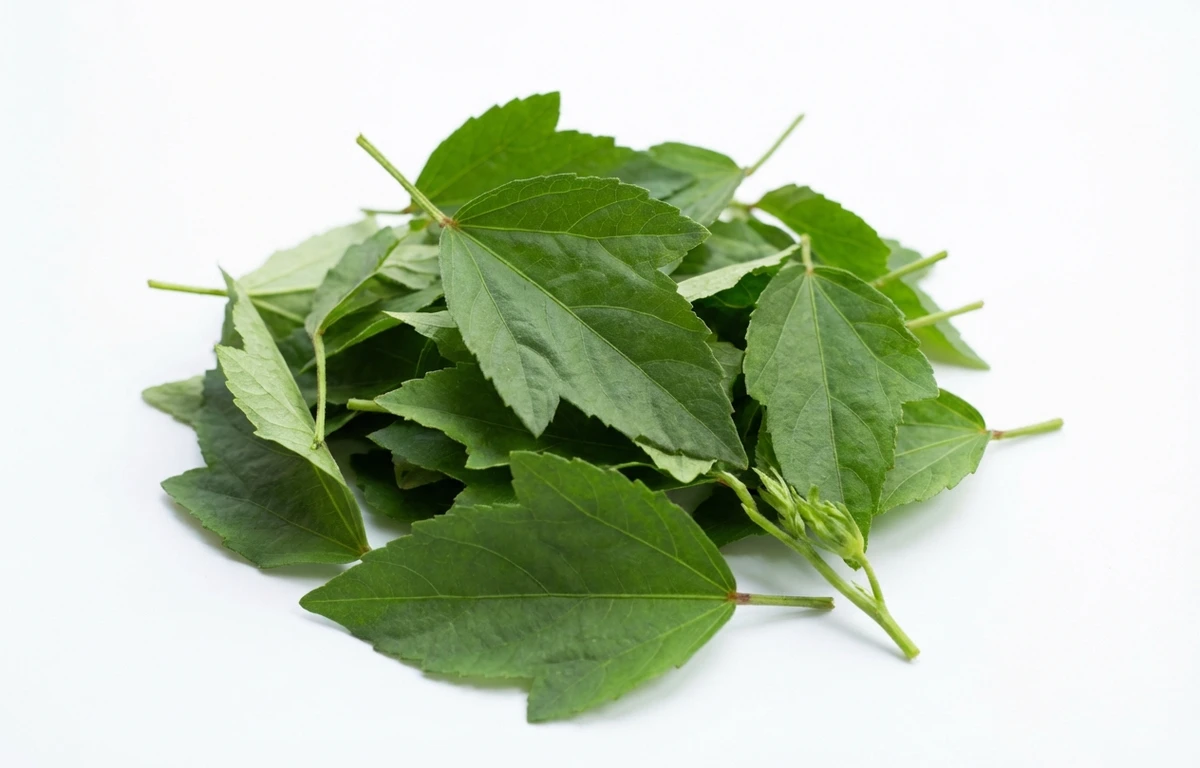
ambadi leaves.
VegetarianVeganGluten-freeDairy-freeNut-freePeanut-freeSoy-freeEgg-freeShellfish-freeHoney-freeAlcohol-free
SERVING
CALORIES
28
PROTEIN
1.7g
CARBS
5.5g
FAT
0.20g
FIBER
2.0g
NUTRITION PROFILE · per 100 g
Everything in this ingredient.
MACRONUTRIENTS
Calories28kcal—
Protein1.7g3%
Carbohydrates5.5g2%
Fiber2.0g7%
Sugar0.50g1%
Total fat0.20g0%
Saturated fat0g0%
Trans fat0g—
Cholesterol0mg0%
Water89g—
MINERALS
Sodium8.0mg0%
Potassium350mg7%
Calcium170mg13%
Iron2.3mg13%
Magnesium65mg15%
Phosphorus50mg4%
Zinc0.30mg3%
Copper0.15mg17%
Manganese0.50mg22%
VITAMINS
Vitamin A750µg83%
Vitamin C25mg28%
Vitamin D0µg0%
Thiamin (B1)0.07mg6%
Riboflavin (B2)0.15mg12%
Niacin (B3)0.60mg4%
Vitamin B60.12mg7%
Folate (B9)65µg16%
Vitamin B120µg0%
%DV based on a 2,000 cal diet. Source: USDA FoodData Central. A dash in the %DV column means there’s no established Daily Value for that nutrient.
MEASUREMENT CONVERSIONS
How much is what.
1 cup35g
1 tablespoon2g
1 teaspoon0.5g
HEALTH BENEFITS
Why eat it.
- ✓Rich in iron, which is essential for hemoglobin production and preventing anemia.
- ✓Excellent source of Vitamin C, a powerful antioxidant that boosts the immune system and aids in iron absorption.
- ✓High in dietary fiber, which promotes digestive health and helps regulate blood sugar levels.
- ✓Contains antioxidants like flavonoids and polyphenols that help combat oxidative stress and inflammation.
COOKING TIPS
In the kitchen.
- 1Ambadi leaves have a distinct sour taste, making them an excellent natural souring agent in dals, curries, and stews, reducing the need for tamarind or lemon.
- 2To balance the tartness, pair them with lentils, coconut, peanuts, or jaggery. They are famously used in dishes like Gongura Pachadi (chutney) and with meats like mutton or chicken.
- 3Due to their acidity, avoid cooking ambadi leaves in iron or aluminum pots, as this can cause a metallic taste and discoloration. Use stainless steel or non-reactive cookware instead.
- 4The stems are also edible but can be fibrous. For a smoother texture in chutneys or pastes, use only the leaves or cook the tender stems until very soft.
STORAGE
Keep it fresh.
- For short-term storage, wrap unwashed leaves in a paper towel, place them in a perforated plastic bag, and store in the refrigerator's crisper drawer for up to 5-7 days.
- For long-term storage, blanch the leaves, cool them in an ice bath, squeeze out excess water, and freeze them in airtight containers or bags for up to 6 months.
FAQ
Frequently asked questions.
Are ambadi leaves healthy?
Yes, ambadi leaves are highly nutritious and low in calories, providing only 28 calories per 100g. They are an excellent source of iron for blood health, Vitamin C for immunity, and antioxidants that help combat inflammation and oxidative stress.
How do ambadi leaves help with anemia?
Ambadi leaves are rich in iron, which is essential for the production of hemoglobin. Because they also contain high levels of Vitamin C, the body can absorb the plant-based iron more effectively, making them a powerful dietary tool for preventing and treating anemia.
What do ambadi leaves taste like?
Ambadi leaves have a distinctively sour, tangy, and slightly acidic flavor profile. This sharp tartness is similar to sorrel or rhubarb and is used in many cuisines to provide a natural zing to savory dishes.
Are ambadi leaves keto-friendly?
Yes, ambadi leaves are very keto-friendly. They contain only 5.5g of carbohydrates per 100g and are high in dietary fiber, resulting in a very low net carb count that fits well within a ketogenic or low-carb diet.
How do you prepare ambadi leaves for cooking?
To prepare them, pluck the leaves from the woody stems and wash them thoroughly in cold water to remove any dirt. They can be finely chopped and sautéed, or boiled and mashed into a paste to be used in chutneys, dals, and curries.
Can I eat ambadi leaves raw?
While ambadi leaves can be eaten raw in small amounts in salads or as a garnish, they are most commonly cooked. Cooking helps to soften their fibrous texture and balances their intense sourness, making them more palatable for most people.
How should I store fresh ambadi leaves?
Store unwashed leaves in a paper towel inside a perforated plastic bag in the refrigerator's crisper drawer. They are quite perishable and should ideally be consumed within 2 to 3 days of purchase for maximum freshness.
Are ambadi leaves vegan and gluten-free?
Yes, ambadi leaves are a natural leafy green vegetable and are 100% vegan and gluten-free. They are an excellent addition to restricted diets looking for nutrient density and flavor without additives.
What are the most common culinary uses for ambadi leaves?
They are famously used to make 'Gongura' chutneys and pickles in Indian cuisine. They are also frequently added to lentil stews (dal) or cooked with meats like chicken and mutton, where their acidity acts as a natural tenderizer.
Do ambadi leaves help with digestion?
Yes, the high dietary fiber content in ambadi leaves promotes healthy digestion and helps regulate bowel movements. The natural organic acids in the leaves can also help stimulate the digestive system and improve appetite.
RECIPES
Cook with ambadi leaves.
1 recipes · sorted by what’s quick