Vegetable
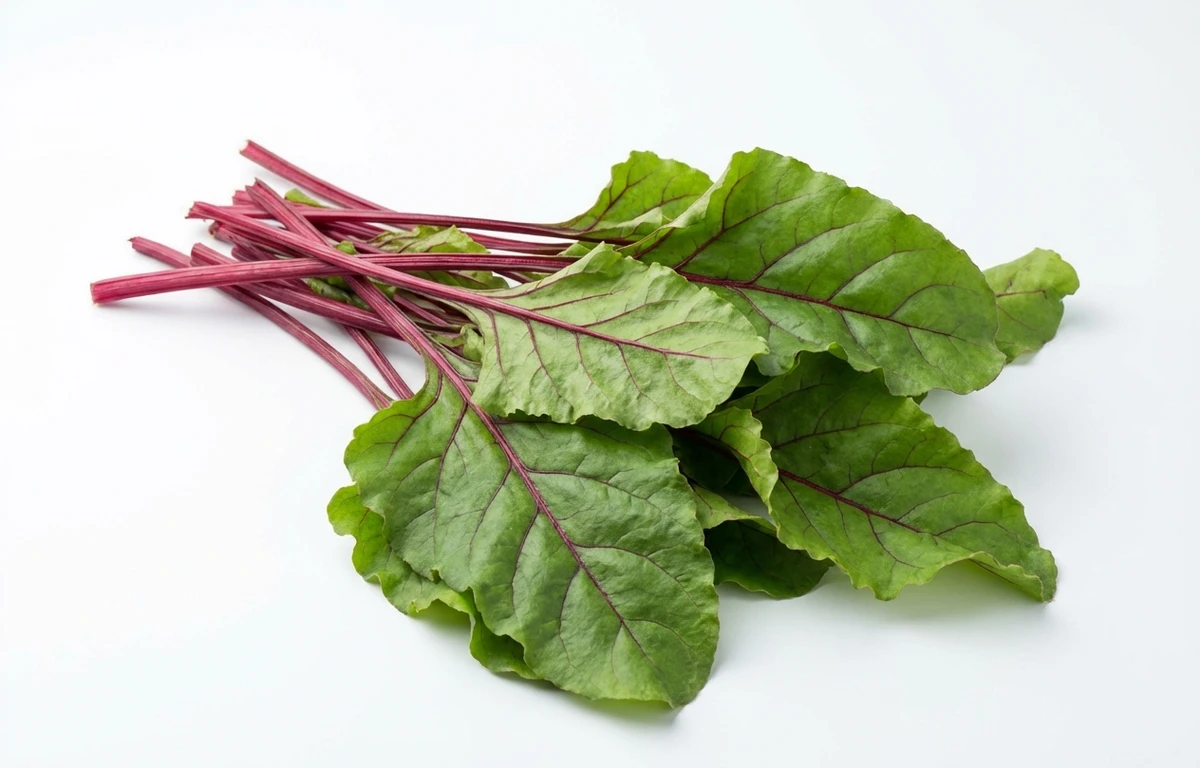
beet greens.
VegetarianVeganGluten-freeDairy-freeNut-freePeanut-freeSoy-freeEgg-freeShellfish-freeHoney-freeAlcohol-free
SERVING
CALORIES
35
PROTEIN
2.4g
CARBS
3.9g
FAT
0.75g
FIBER
3.6g
NUTRITION PROFILE · per 100 g
Everything in this ingredient.
MACRONUTRIENTS
Calories34.7kcal—
Protein2.4g5%
Carbohydrates3.9g1%
Fiber3.6g13%
Sugar0.13g0%
Total fat0.75g1%
Saturated fat0.19g1%
Trans fat0g—
Cholesterol0mg0%
Water86.7g—
MINERALS
Sodium111mg5%
Potassium530mg11%
Calcium151mg12%
Iron5.8mg32%
Magnesium120mg29%
Phosphorus36mg3%
Zinc0.16mg1%
Copper0.14mg16%
Manganese1.2mg50%
Selenium47.8µg87%
VITAMINS
Vitamin A1703µg189%
Vitamin C35.8mg40%
Vitamin D1.6µg8%
Vitamin E0.21mg1%
Vitamin K69.5µg58%
Thiamin (B1)0.02mg2%
Riboflavin (B2)0.17mg13%
Niacin (B3)0.43mg3%
Pantothenic acid (B5)0.29mg6%
Vitamin B60.13mg8%
Biotin (B7)4.7µg16%
Folate (B9)11.5µg3%
%DV based on a 2,000 cal diet. Source: USDA FoodData Central. A dash in the %DV column means there’s no established Daily Value for that nutrient.
MEASUREMENT CONVERSIONS
How much is what.
1 cup38g
1 tablespoon2.4g
1 teaspoon0.8g
1 oz28.4g
1 lb453.6g
1 ml0.2g
1 liter161g
HEALTH BENEFITS
Why eat it.
- ✓Extremely rich in Vitamin K, which is crucial for blood clotting and bone health.
- ✓Excellent source of Vitamin A (as beta-carotene) and lutein, supporting vision and eye health.
- ✓High in Vitamin C and other antioxidants that help combat oxidative stress and support the immune system.
- ✓Contains dietary nitrates, which may help improve blood flow and lower blood pressure.
COOKING TIPS
In the kitchen.
- 1Wash thoroughly in a large bowl of cold water to remove any sand or grit, then lift the greens out, leaving the sediment behind.
- 2The stems are edible but tougher; chop them and start cooking them 3-5 minutes before adding the more delicate leaves.
- 3Sauté with garlic, olive oil, and a pinch of red pepper flakes for a simple and flavorful side dish, similar to preparing spinach or Swiss chard.
- 4Balance their slightly bitter, earthy flavor with acidity from lemon juice or vinegar, or richness from bacon, nuts, or cheese.
STORAGE
Keep it fresh.
- Separate greens from the beet roots immediately after purchase, as the leaves draw moisture from the root, causing both to soften.
- Wrap unwashed greens in a damp paper towel, place them in a plastic bag, and store in the refrigerator's crisper drawer for up to 3-4 days.
- For longer storage, blanch the greens for two minutes, shock in an ice bath, squeeze out excess water, and freeze in an airtight container.
FAQ
Frequently asked questions.
Are beet greens healthy?
Yes, beet greens are exceptionally healthy and nutrient-dense. They are very low in calories (about 35 per 100g) while providing significant amounts of Vitamin K, Vitamin A, and Vitamin C, which support bone health, vision, and the immune system.
What are the specific health benefits of beet greens?
Beet greens are rich in dietary nitrates, which can help lower blood pressure and improve blood flow. They also contain high levels of lutein and beta-carotene for eye health, as well as antioxidants that help the body combat oxidative stress.
Are beet greens keto-friendly?
Yes, beet greens are very keto-friendly. With only 3.86g of carbohydrates per 100g, they allow you to consume a high volume of food and essential micronutrients without significantly impacting your daily carb count.
Can you eat beet greens raw?
Yes, beet greens can be eaten raw, especially when they are young and tender. They make a great addition to salads or smoothies, though older leaves may have a slightly bitter taste and tougher texture that is improved by cooking.
How do you cook beet greens?
The most popular way to cook beet greens is to sauté them with olive oil, garlic, and a pinch of salt until wilted. They can also be steamed, braised, or chopped and added to soups and stews similarly to spinach or Swiss chard.
What do beet greens taste like?
Beet greens have a flavor profile similar to Swiss chard or spinach, featuring a mild, earthy sweetness. The stems are also edible and provide a pleasant crunch with a flavor that subtly mirrors the beet root.
How should I store beet greens?
Separate the greens from the beet roots immediately after purchase, as the leaves will pull moisture from the root. Store the unwashed leaves in a breathable plastic bag in the refrigerator crisper drawer, ideally with a paper towel to absorb excess moisture.
How long do beet greens last?
Beet greens are quite perishable and usually stay fresh for only 2 to 3 days in the refrigerator. For the best flavor and nutritional value, it is recommended to consume them as soon as possible after they are harvested or purchased.
Are beet greens high in oxalates?
Yes, like many leafy greens in the Amaranthaceae family, beet greens contain oxalates. While safe for most people, individuals prone to calcium-oxalate kidney stones may need to limit their intake or cook the greens to reduce oxalate levels.
Can I freeze beet greens?
Yes, beet greens freeze well if blanched first. Boil the leaves for two minutes, immediately plunge them into ice water, squeeze out all excess moisture, and store them in airtight freezer bags for up to 10 months.