
Loading...
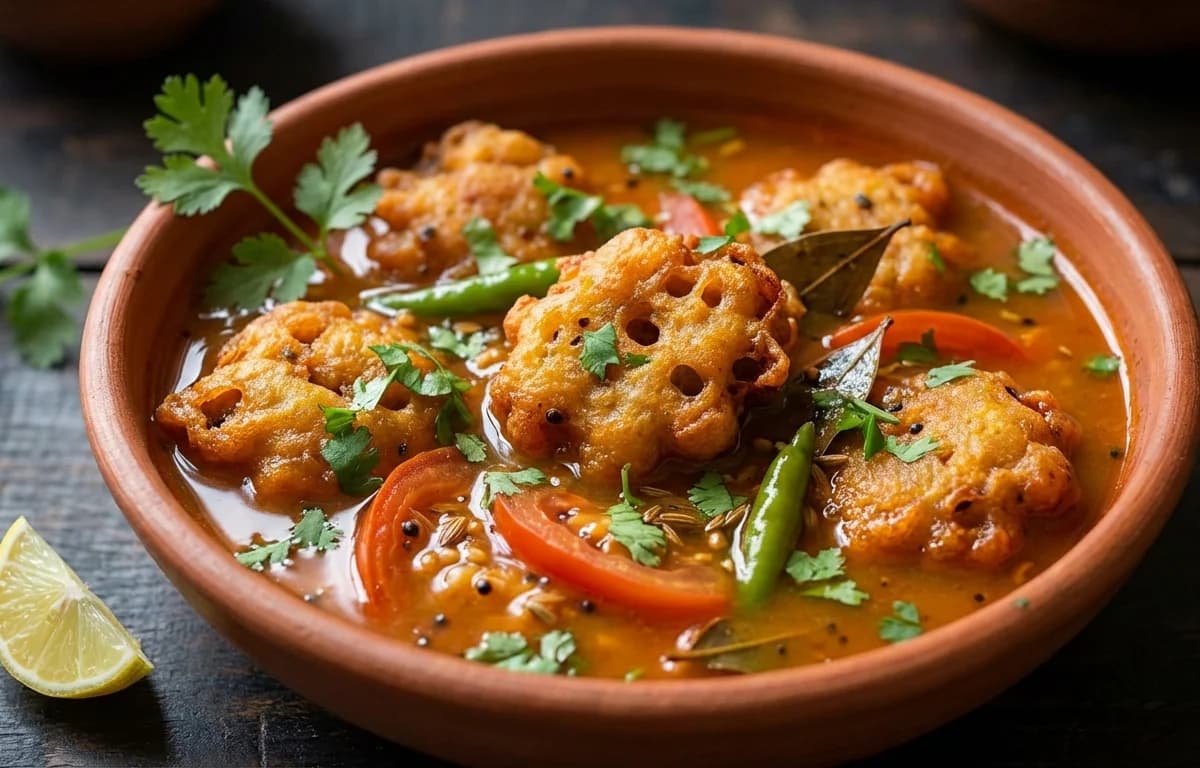
A classic Assamese sour curry featuring light, spongy lentil fritters simmered in a tangy tomato-based gravy. This refreshing and flavorful dish is a staple in Assamese cuisine, perfect with steamed rice.
Prepare the Lentil Fritter (Bor) Batter
Shallow-Fry the Fritters (Bor)
A refreshing and protein-packed salad combining fluffy quinoa, hearty chickpeas, and crisp vegetables. The creamy lemon-tahini dressing ties everything together for a light yet satisfying meal, perfect for a healthy lunch.
A comforting and flavorful baked dish where assorted vegetables are cooked in a spiced yogurt-based gravy and baked to perfection. A wholesome Indian take on a classic casserole, perfect for a hearty meal.
A simple yet satisfying breakfast bowl featuring creamy yogurt topped with crunchy homemade granola and fresh berries. It's a quick, healthy, and delicious way to start your day.
A light, fluffy, and protein-packed omelette made with only egg whites and loaded with fresh vegetables and mild Indian spices. It's a perfect healthy and quick start to your day, ready in under 15 minutes.
A classic Assamese sour curry featuring light, spongy lentil fritters simmered in a tangy tomato-based gravy. This refreshing and flavorful dish is a staple in Assamese cuisine, perfect with steamed rice.
This indian recipe takes 55 minutes to prepare and yields 4 servings. At 320.13 calories per serving with 13.32g of protein, it's a moderately challenging recipe perfect for lunch or dinner.
Start the Tenga Gravy
Sauté Aromatics and Build the Gravy Base
Simmer the Curry and Add Fritters
Finish and Garnish
Replace tomatoes and lemon juice with 2-3 pieces of soaked Thekera Tenga (Garcinia pedunculata) or a few slices of raw mango for a different tangy flavor profile.
You can add vegetables like bottle gourd (lauki) or ridge gourd (jika) to the gravy. Add them after sautéing the tomatoes and cook until tender before adding the fritters.
While masoor dal is traditional, you can also make the fritters with a mix of masoor dal and chana dal for a slightly different texture.
A popular variation is 'Masor Tenga' where lightly fried fish pieces are used instead of lentil fritters in the same tangy gravy.
The masoor dal (red lentils) provides a significant amount of protein, which is essential for muscle repair, immune function, and overall body maintenance, making it an excellent choice for vegetarians and vegans.
Lentils are an excellent source of dietary fiber, which aids in digestion, prevents constipation, and promotes a healthy gut microbiome. Fiber also helps in maintaining stable blood sugar levels.
Tomatoes are rich in lycopene, a powerful antioxidant that helps protect cells from damage caused by free radicals. The various spices used, like turmeric, also contribute potent anti-inflammatory and antioxidant properties.
This dish is low in saturated fat and cholesterol. The use of mustard oil provides monounsaturated and polyunsaturated fats, including omega-3 fatty acids, which are beneficial for cardiovascular health.
One serving of Boror Tenga contains approximately 300-350 calories, making it a relatively light and healthy main course. The exact count depends on the amount of oil absorbed during frying.
Yes, Boror Tenga is a healthy dish. It is rich in plant-based protein and fiber from the lentils, and vitamins and antioxidants from the tomatoes and spices. Using mustard oil also provides beneficial omega-3 fatty acids.
This recipe is naturally gluten-free as it does not use any wheat-based products. The main ingredients like lentils, vegetables, and spices are all gluten-free.
If you don't have panch phoron, you can make a simplified version by mixing equal parts of cumin seeds, mustard seeds, and fenugreek seeds. Alternatively, using just mustard seeds or cumin seeds will also work, though the flavor will be different.
Store leftover Boror Tenga in an airtight container in the refrigerator for up to 2 days. The fritters will continue to soften in the gravy. Reheat gently on the stovetop or in the microwave before serving.
Hard fritters are usually the result of not whipping the batter enough to incorporate air, or grinding the dal into a very fine, watery paste. The batter should be thick, coarse, and airy for soft, spongy results.