Protein2 recipes
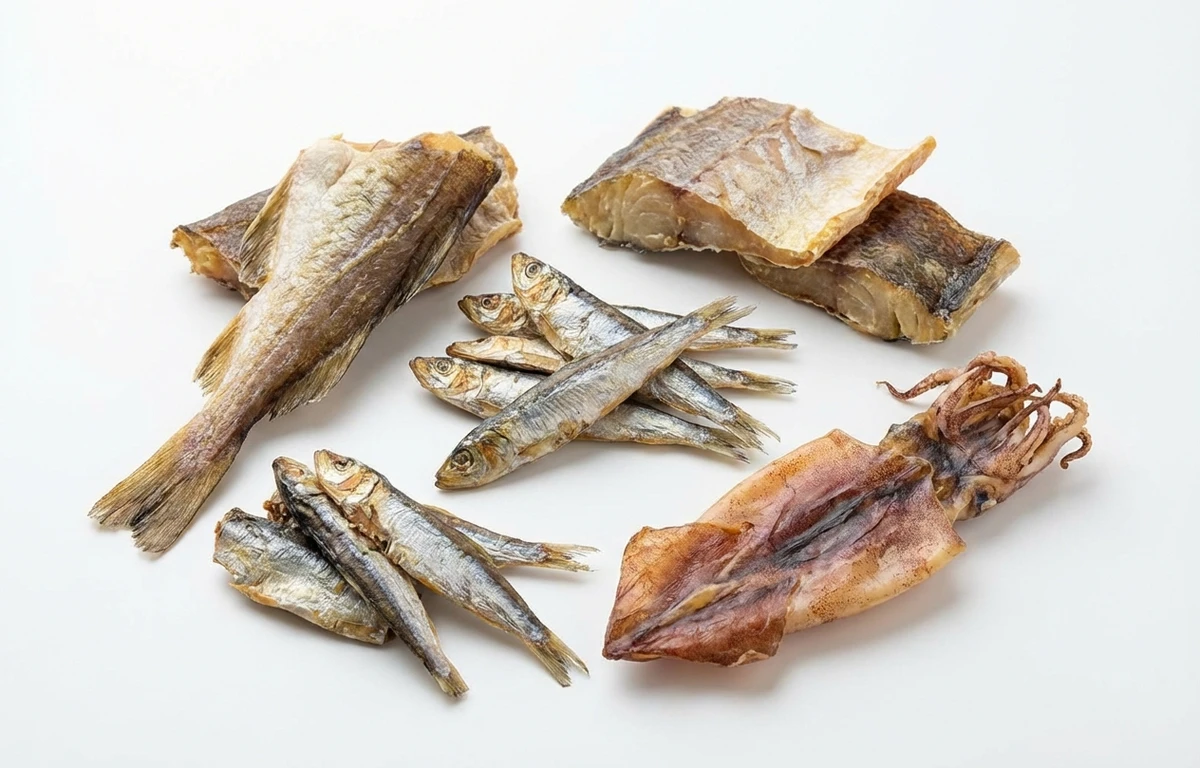
dried fish.
VegetarianVeganGluten-freeDairy-freeNut-freePeanut-freeSoy-freeEgg-freeShellfish-freeHoney-freeAlcohol-free
ALSO KNOWN AS
dry fishsookhi machli
SERVING
CALORIES
290
PROTEIN
62.8g
CARBS
0g
FAT
2.4g
FIBER
0g
NUTRITION PROFILE · per 100 g
Everything in this ingredient.
MACRONUTRIENTS
Calories290kcal—
Protein62.8g126%
Carbohydrates0g0%
Fiber0g0%
Sugar0g0%
Total fat2.4g3%
Saturated fat0.46g2%
Cholesterol152mg51%
Water16.1g—
MINERALS
Sodium7027mg306%
Potassium1458mg31%
Calcium160mg12%
Iron2.5mg14%
Magnesium133mg32%
Phosphorus950mg76%
Zinc1.6mg14%
Copper0.18mg20%
Manganese0.05mg2%
Selenium148µg269%
VITAMINS
Vitamin A42µg5%
Vitamin C3.5mg4%
Vitamin D4.0µg20%
Vitamin E2.8mg19%
Vitamin K0.40µg0%
Thiamin (B1)0.27mg23%
Riboflavin (B2)0.24mg18%
Niacin (B3)7.5mg47%
Pantothenic acid (B5)1.7mg34%
Vitamin B60.86mg51%
Folate (B9)25µg6%
Vitamin B1210µg417%
%DV based on a 2,000 cal diet. Source: USDA FoodData Central. A dash in the %DV column means there’s no established Daily Value for that nutrient.
MEASUREMENT CONVERSIONS
How much is what.
1 piece80g
HEALTH BENEFITS
Why eat it.
- ✓Highly concentrated source of complete protein, essential for muscle building and repair.
- ✓Rich in omega-3 fatty acids (especially fatty varieties like dried mackerel or salmon), which support heart and brain health.
- ✓Excellent source of calcium and Vitamin D, particularly when small, bone-in fish are consumed, promoting strong bones and teeth.
- ✓Provides a significant amount of umami flavor, allowing for reduced sodium in dishes while enhancing taste.
COOKING TIPS
In the kitchen.
- 1Rehydrate by soaking in warm water for 30 minutes to several hours, depending on thickness. This softens the flesh and reduces saltiness.
- 2Add directly to soups, stews, and broths to impart a deep, savory umami flavor without needing to rehydrate first.
- 3Small dried fish (like anchovies or sardines) can be pan-fried or deep-fried until crispy and used as a snack or a crunchy topping for salads and rice dishes.
- 4Grind into a fine powder to use as a potent seasoning or flavor base for stocks, sauces, and marinades.
STORAGE
Keep it fresh.
- Store in a cool, dark, and dry place in an airtight container or vacuum-sealed bag to prevent moisture absorption and mold growth. It can last for several months.
- For long-term storage (beyond 6-12 months), place the airtight container or bag in the freezer to preserve its quality and prevent oils from going rancid.
FAQ
Frequently asked questions.
Is dried fish healthy?
Yes, dried fish is very healthy. It's an excellent, concentrated source of complete protein, essential for muscle repair and growth. Many varieties are also rich in omega-3 fatty acids, calcium, and Vitamin D, supporting heart, brain, and bone health.
How much protein is in dried fish?
Dried fish is exceptionally high in protein. Per 100g, it contains approximately 62.82g of protein, making it one of the most protein-dense food sources available. This high concentration is due to the removal of water during the drying process.
Is dried fish good for weight loss?
Yes, dried fish can be beneficial for weight loss due to its high protein content and low fat. Protein promotes satiety, helping you feel full longer and reducing overall calorie intake. Its low carbohydrate content also makes it a good option for managing blood sugar.
Is dried fish gluten-free?
Generally, plain dried fish is naturally gluten-free as it consists solely of fish. However, always check the label if purchasing processed or flavored dried fish products, as some may contain additives or coatings with gluten.
Is dried fish keto-friendly?
Yes, dried fish is highly keto-friendly. It contains virtually no carbohydrates (0g per 100g) and is packed with protein and healthy fats (in some varieties), making it an excellent food choice for those following a ketogenic diet.
How do you prepare/cook dried fish?
Preparation varies by type. Many dried fish varieties require rehydration by soaking in water for several hours or overnight to soften and reduce saltiness. After rehydration, it can be fried, grilled, stewed, or added to soups and curries.
What does dried fish taste like?
Dried fish has an intense, savory, and often salty flavor with a distinct umami profile. The taste can range from mildly fishy to very pungent, depending on the type of fish and drying method. It adds a deep, complex flavor to dishes.
How do you store dried fish?
Dried fish should be stored in an airtight container in a cool, dry place away from direct sunlight. For longer shelf life, especially in humid climates, refrigeration or freezing is recommended. Proper storage prevents spoilage and maintains quality.
How do you know if dried fish is fresh/spoiled?
Good quality dried fish should be firm, dry, and have a uniform color without any signs of mold or excessive stickiness. A spoiled dried fish might have a strong, unpleasant ammonia-like odor, visible mold, or a slimy texture.
Does dried fish contain a lot of sodium?
Yes, many types of dried fish, especially those preserved with salt, can be very high in sodium. Soaking the fish in water before cooking can help reduce the salt content significantly. Always consider the sodium level when incorporating it into your diet.
RECIPES
Cook with dried fish.
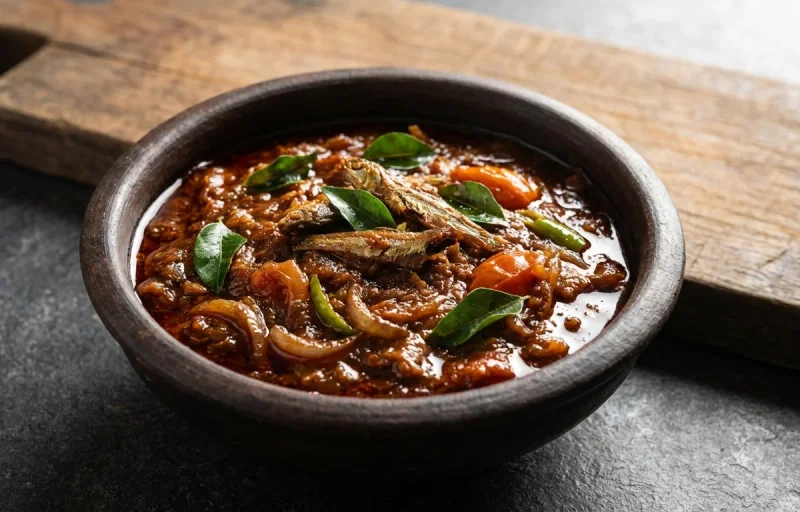
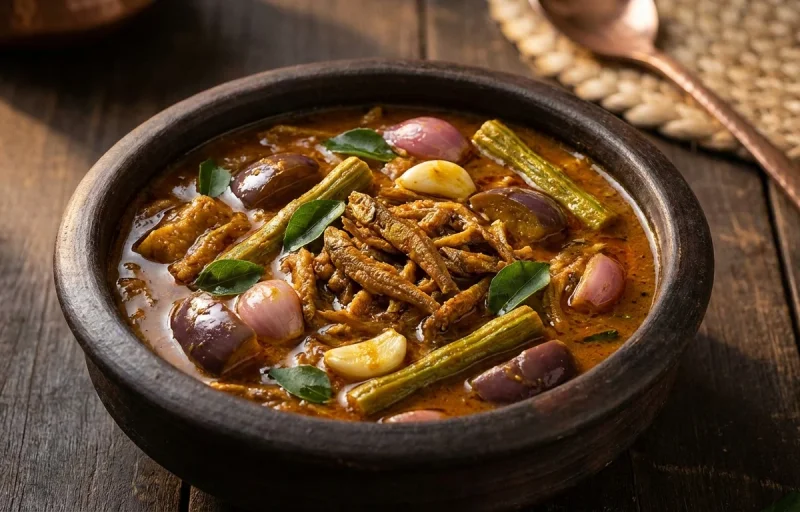
2 recipes · sorted by what’s quick