
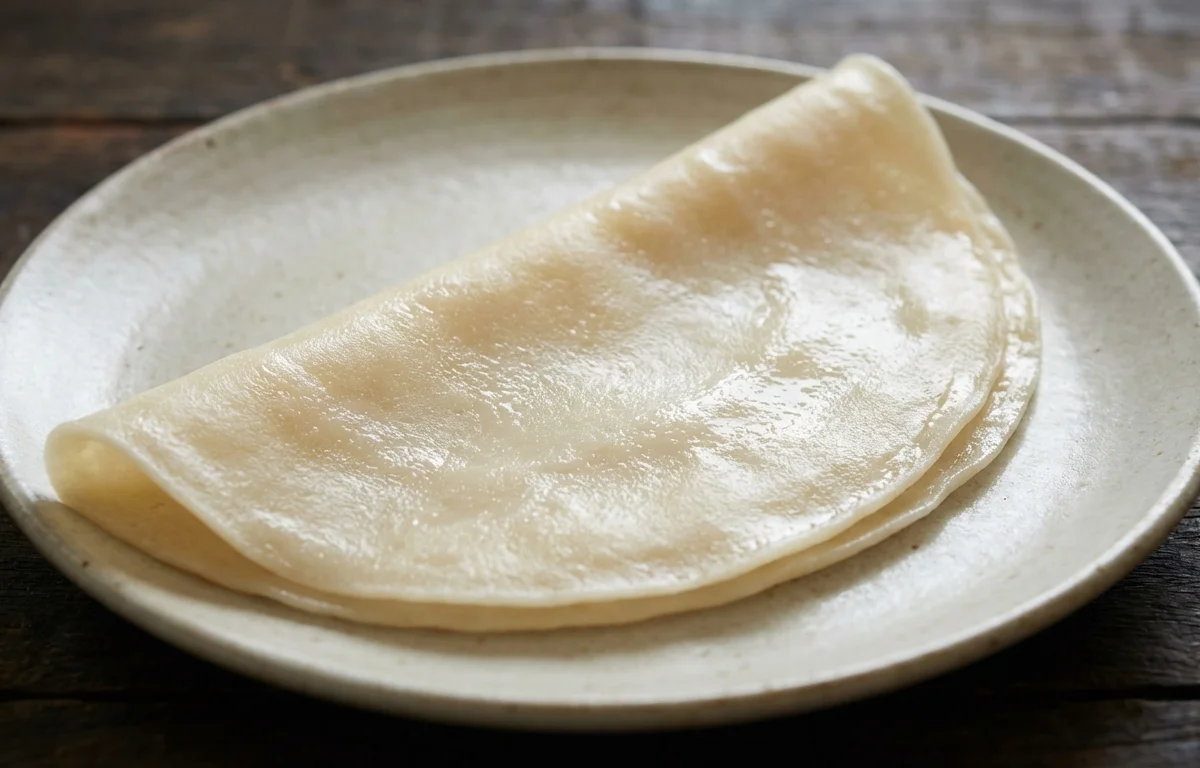
Ukde Sheet
A staple in every Goan household, this red parboiled rice, known as Ukde Tandul, has a unique earthy flavor and a firm, satisfying texture. It's the perfect canvas for soaking up rich fish curries and spicy vindaloos, offering a more nutritious and flavorful alternative to white rice.
For 4 servings
Rinse and Soak the Rice
- Place the Ukde Tandul in a large bowl. Rinse it under cold running water 3-4 times, gently rubbing the grains, until the water is no longer cloudy.
- Add enough fresh water to cover the rice by at least 3 inches.
- Let the rice soak for a minimum of 30 minutes, or up to 1 hour. This step is crucial for ensuring the grains cook evenly and become tender.
Boil the Rice
- Drain the soaking water completely from the rice.
- In a large, heavy-bottomed pot, bring 6 cups of fresh water and 1 tsp of salt to a rolling boil over high heat.
- Carefully add the soaked and drained rice to the boiling water. Stir once to prevent the grains from sticking to the bottom.
- Allow the water to return to a boil, then reduce the heat to medium. Cook uncovered for 20-25 minutes.
- To check for doneness, take a grain and press it between your thumb and forefinger. It should be soft all the way through but still have a slight, pleasant chewiness.
Drain and Serve
- Once the rice is cooked to your liking, carefully pour the entire contents of the pot into a fine-mesh sieve or colander to drain off all the excess water.
- Let the rice sit in the colander for 2-3 minutes to allow the residual steam to dry it out further.
- Transfer the rice to a serving bowl and gently fluff it with a fork.
- Serve hot with traditional Goan curries like fish curry (Xitt Codi) or chicken xacuti.
What to keep in mind.
5 tips from the recipe — small details that make a real difference to the final dish.
- 1Soaking is non-negotiable for this type of rice; it significantly reduces cooking time and ensures a tender texture.
- 2Always use a large pot with plenty of water. The rice needs room to boil freely, which prevents it from becoming sticky.
- 3The drained, starchy water (known as 'peed' or congee) is nutritious. You can cool it, add a pinch of salt, and drink it.
- 4Ukde Sheet has a naturally firm and chewy texture, which is its signature characteristic. Do not overcook it expecting it to be as soft as white rice.
- 5Store leftover cooked rice in an airtight container in the refrigerator for up to 3 days. Sprinkle a little water before reheating.
Adapt it for your goals.
Cooking Method
For a faster method, you can use a pressure cooker. Use a 1:3 rice-to-water ratio (1.5 cups rice to 4.5 cups water) and cook for 2-3 whistles on medium heat. Allow the pressure to release naturally.
FlavorFlavor
To add a subtle fragrance, you can add a bay leaf or a couple of green cardamom pods to the boiling water.
Why this is on our healthy list.
Rich in Dietary Fiber
The bran layer is partially intact, providing a good source of dietary fiber which aids digestion, prevents constipation, and promotes a feeling of fullness.
Lower Glycemic Index
Parboiled rice generally has a lower glycemic index compared to polished white rice, leading to a slower rise in blood sugar levels, which is beneficial for metabolic health.
Source of Antioxidants
The red bran contains anthocyanins, the same powerful antioxidants found in red and purple fruits and vegetables, which help combat oxidative stress in the body.
Packed with B Vitamins
The unique parboiling process helps drive nutrients from the bran into the starchy endosperm, making the rice a better source of B vitamins like thiamine and niacin, crucial for energy metabolism.
Frequently asked questions
Ukde Sheet, or Ukde Tandul, is a type of red parboiled rice that is a staple food in Goa, India. It's known for its thick grains, reddish-brown color, and earthy flavor, which comes from the bran layer being partially left on.