Protein3 recipes
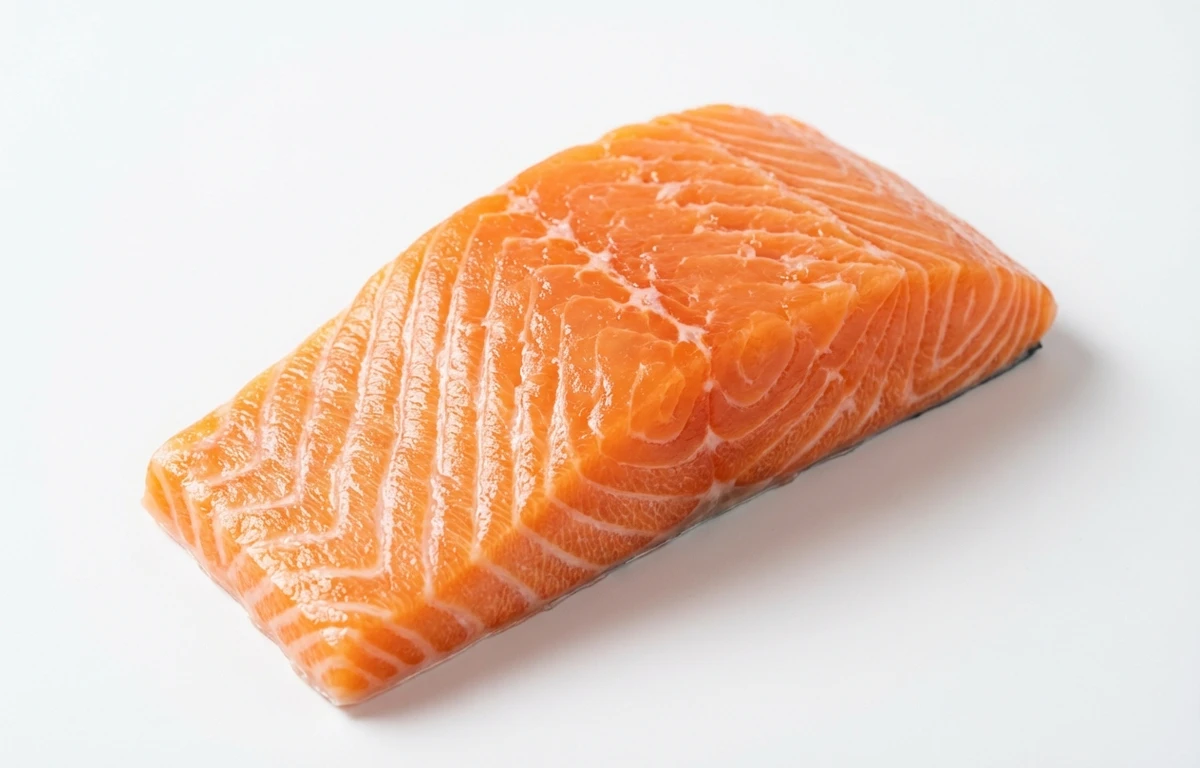
sushi-grade salmon.
VegetarianVeganGluten-freeDairy-freeNut-freePeanut-freeSoy-freeEgg-freeShellfish-freeHoney-freeAlcohol-free
ALSO KNOWN AS
sashimi-grade salmonraw salmon for sushisushi salmonsake (sushi)raw atlantic salmon
SERVING
CALORIES
208
PROTEIN
20.4g
CARBS
0g
FAT
13.4g
FIBER
0g
NUTRITION PROFILE · per 100 g
Everything in this ingredient.
MACRONUTRIENTS
Calories208kcal—
Protein20.4g41%
Carbohydrates0g0%
Fiber0g0%
Sugar0g0%
Total fat13.4g17%
Saturated fat3.1g16%
Trans fat0g—
Cholesterol55mg18%
Water64.8g—
MINERALS
Sodium59mg3%
Potassium363mg8%
Calcium9.0mg1%
Iron0.30mg2%
Magnesium27mg6%
Phosphorus240mg19%
Zinc0.40mg4%
Copper0.03mg3%
Manganese0.01mg0%
Selenium24.4µg44%
VITAMINS
Vitamin A12µg1%
Vitamin C0mg0%
Vitamin D11µg55%
Vitamin E1.1mg7%
Vitamin K0.10µg0%
Thiamin (B1)0.20mg17%
Riboflavin (B2)0.10mg8%
Niacin (B3)8.7mg54%
Pantothenic acid (B5)1.6mg32%
Vitamin B60.60mg35%
Folate (B9)25µg6%
Vitamin B123.2µg133%
%DV based on a 2,000 cal diet. Source: USDA FoodData Central. A dash in the %DV column means there’s no established Daily Value for that nutrient.
MEASUREMENT CONVERSIONS
How much is what.
1 cup247.2g
1 tablespoon15.5g
1 teaspoon5.2g
1 oz28.4g
1 lb453.6g
1 ml1g
1 liter1030g
1 piece20g
HEALTH BENEFITS
Why eat it.
- ✓High in Omega-3 fatty acids for heart health
- ✓Excellent source of high-quality protein
- ✓Rich in Vitamin B12 for nerve function
- ✓Contains Vitamin D for bone health
- ✓Supports brain health and cognitive function
COOKING TIPS
In the kitchen.
- 1Use a very sharp knife to ensure clean, smooth slices
- 2Slice against the grain to ensure a tender texture
- 3Keep the fish chilled until the exact moment of serving
STORAGE
Keep it fresh.
- Store in the coldest part of the refrigerator at 0-4°C (32-40°F)
- Consume within 24 hours of purchase for safety and quality
- Keep tightly wrapped in plastic or in an airtight container
FAQ
Frequently asked questions.
What makes salmon 'sushi-grade'?
Sushi-grade means the fish has been professionally flash-frozen to a specific temperature for a set duration to kill any potential parasites, making it safe for raw consumption.
How long can I store sushi-grade salmon in the fridge?
It is best consumed the day of purchase. If necessary, store it for no more than 24 hours in the coldest part of your refrigerator.
Can I use regular supermarket salmon for sushi?
No, unless it is specifically labeled as 'sushi-grade' or 'sashimi-grade'. Regular salmon may not have undergone the freezing process required to kill parasites.
What are the best substitutes for sushi-grade salmon?
Sushi-grade tuna (maguro), arctic char, or high-quality smoked salmon (though the flavor profile will change) are the best alternatives.
How should I prepare the salmon for nigiri or sashimi?
Pat the fish dry with a paper towel, remove any skin or pin bones, and slice at a 45-degree angle against the grain into 1/4 inch thick pieces.
Is sushi-grade salmon high in mercury?
Salmon is generally considered a low-mercury fish compared to larger predators like tuna or swordfish, making it safer for frequent consumption.
Can I freeze sushi-grade salmon at home?
While you can freeze it, home freezers do not reach the ultra-low temperatures required to maintain the 'sushi-grade' texture and safety standards of commercial flash-freezing.
What should I look for when buying sushi-grade salmon?
Look for firm flesh, a bright (not dull) color, and a clean, oceanic smell. Avoid fish that smells 'fishy' or has visible liquid (purge) in the packaging.
Is raw salmon healthy?
Yes, it is very nutrient-dense, providing high amounts of Omega-3s, protein, and B vitamins, though it should be avoided by pregnant women or those with compromised immune systems.
RECIPES
Cook with sushi-grade salmon.
3 recipes · sorted by what’s quick