Oil10 recipes
shortening.
VegetarianVeganGluten-freeDairy-freeNut-freePeanut-freeSoy-freeEgg-freeShellfish-freeHoney-freeAlcohol-free
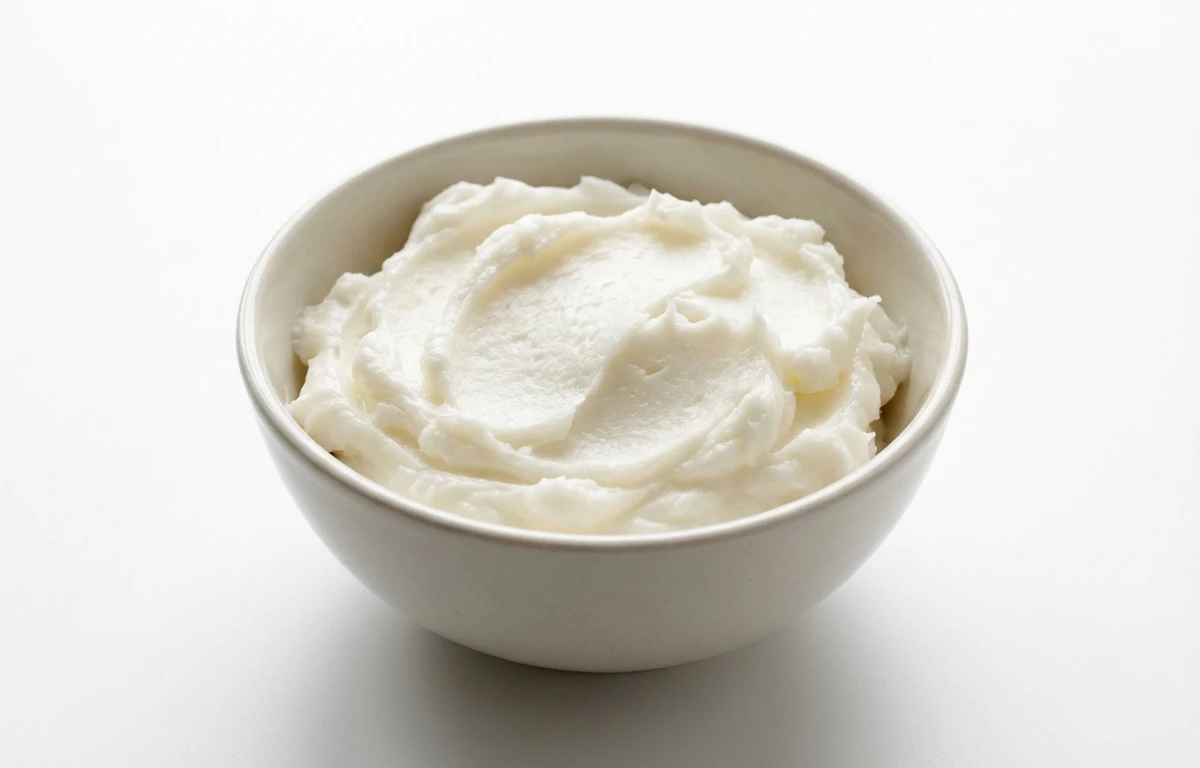
ALSO KNOWN AS
vegetable shorteningcriscoveg shortening
SERVING
CALORIES
884
PROTEIN
0g
CARBS
0g
FAT
100g
FIBER
0g
NUTRITION PROFILE · per 100 g
Everything in this ingredient.
MACRONUTRIENTS
Calories884kcal—
Protein0g0%
Carbohydrates0g0%
Fiber0g0%
Sugar0g0%
Total fat100g128%
Saturated fat25g125%
Trans fat13.2g—
Cholesterol0mg0%
Water0g—
MINERALS
Sodium4.0mg0%
Potassium0mg0%
Calcium1.0mg0%
Iron0.07mg0%
Magnesium0mg0%
Phosphorus0mg0%
Zinc0mg0%
Copper0mg0%
Manganese0mg0%
Selenium0µg0%
VITAMINS
Vitamin A0µg0%
Vitamin C0mg0%
Vitamin D0µg0%
Vitamin E6.1mg41%
Vitamin K53.2µg44%
Thiamin (B1)0.02mg2%
Riboflavin (B2)0mg0%
Niacin (B3)0mg0%
Pantothenic acid (B5)0.68mg14%
Vitamin B60mg0%
Folate (B9)0µg0%
Vitamin B120µg0%
%DV based on a 2,000 cal diet. Source: USDA FoodData Central. A dash in the %DV column means there’s no established Daily Value for that nutrient.
MEASUREMENT CONVERSIONS
How much is what.
1 cup205g
1 tablespoon12.8g
1 teaspoon4.3g
1 ml0.9g
1 liter853.3g
HEALTH BENEFITS
Why eat it.
- ✓Creates a tender, flaky texture in baked goods like pie crusts, biscuits, and scones due to its unique fat crystal structure.
- ✓Has a high smoke point (around 360°F or 182°C), making it effective for frying without easily burning or smoking.
- ✓Offers a long shelf life at room temperature compared to butter, making it a convenient pantry staple.
- ✓Modern formulations are typically free of trans fats, unlike traditional hydrogenated versions.
COOKING TIPS
In the kitchen.
- 1For the flakiest pie crusts, keep shortening very cold and cut it into the flour mixture until it resembles coarse crumbs or small peas.
- 2When creaming shortening with sugar for cakes or cookies, beat until it is very light and fluffy to incorporate air, which results in a tender crumb.
- 3Use as a 1:1 substitute for butter in baking for a softer texture and more neutral flavor, but note it lacks the rich flavor of butter.
- 4Grease baking pans with shortening to create a non-stick surface that promotes even browning.
STORAGE
Keep it fresh.
- Store unopened shortening in a cool, dark place like a pantry for up to one year.
- After opening, keep the container tightly sealed at room temperature and use within three months for best quality and to prevent rancidity.
FAQ
Frequently asked questions.
Is shortening healthy?
Shortening is 100% fat and very calorie-dense, providing about 884 calories per 100g. While modern versions are typically trans-fat free, it lacks the vitamins and minerals found in whole food fats. It is best used in moderation as a functional ingredient for texture rather than a primary health food.
Does shortening contain trans fats?
Historically, shortening was high in trans fats due to the partial hydrogenation process. However, most modern manufacturers have reformulated their products to be trans-fat free by using fully hydrogenated oils. Always check the nutrition label to ensure it lists 0g of trans fat per serving.
Is shortening vegan?
Most commercial shortenings are made from vegetable oils like soybean or cottonseed oil, making them vegan-friendly. However, some traditional or specialty shortenings may contain animal fats like lard or tallow. Always check the ingredient list to confirm it is 100% vegetable-based.
Is shortening gluten-free?
Yes, shortening is naturally gluten-free as it is composed entirely of fats. It does not contain any wheat, barley, or rye derivatives. It is safe for individuals with celiac disease or gluten sensitivities, though you should ensure it hasn't been cross-contaminated during baking.
Why is shortening used in baking instead of butter?
Shortening has a higher melting point than butter, which helps baked goods like pie crusts and biscuits retain their shape and develop a flakier texture. It 'shortens' gluten strands, preventing them from becoming long and tough, which results in a more tender crumb.
Can I substitute butter for shortening?
You can substitute butter for shortening at a 1:1 ratio, but the results will differ. Butter contains about 15-20% water, which can make cookies spread more and crusts less flaky. Butter will, however, provide a much richer, creamy flavor that shortening lacks.
Can I use shortening for frying?
Yes, shortening is an excellent choice for frying because it has a high smoke point of approximately 360°F (182°C). It is very stable at high temperatures and creates a crisp, non-greasy exterior on foods like fried chicken and donuts.
Is shortening keto-friendly?
Shortening is highly keto-friendly because it contains zero carbohydrates and is nearly 100% fat. It is a pure fat source that can help those on a ketogenic diet reach their daily fat macros, though many keto practitioners prefer fats with more micronutrients like avocado oil or grass-fed butter.
How should I store shortening and how long does it last?
Shortening should be stored in a cool, dry pantry in its original container. Unopened cans can last up to two years, while opened containers generally stay fresh for 6 to 12 months at room temperature. There is no need to refrigerate shortening, as it is shelf-stable.
How do I know if shortening has gone bad?
You can tell shortening has spoiled if it develops a rancid, sour, or 'off' odor similar to the smell of old paint. It may also change color, becoming darker or yellowish. If the texture becomes gritty or the taste is soapy, it should be discarded.
RECIPES
Cook with shortening.
10 recipes · sorted by what’s quick