Oil
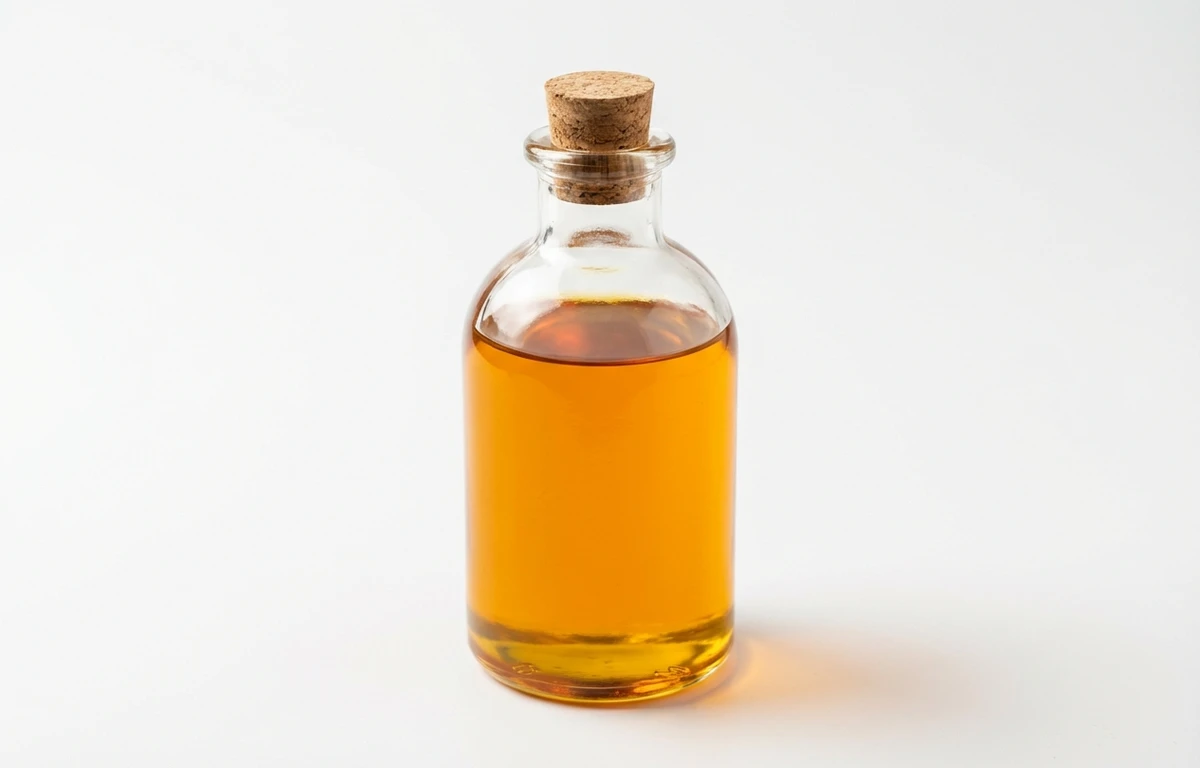
salmon fish oil.
VegetarianVeganGluten-freeDairy-freeNut-freePeanut-freeSoy-freeEgg-freeShellfish-freeHoney-freeAlcohol-free
ALSO KNOWN AS
salmon oil
SERVING
CALORIES
902
PROTEIN
0g
CARBS
0g
FAT
100g
FIBER
0g
NUTRITION PROFILE · per 100 g
Everything in this ingredient.
MACRONUTRIENTS
Calories902kcal—
Protein0g0%
Carbohydrates0g0%
Fiber0g0%
Sugar0g0%
Total fat100g128%
Saturated fat19.9g99%
Trans fat0g—
Cholesterol485mg162%
Water0g—
MINERALS
Sodium0mg0%
Potassium0mg0%
Calcium0mg0%
Iron0mg0%
Magnesium0mg0%
Phosphorus0mg0%
Zinc0mg0%
Copper0mg0%
Manganese0mg0%
Selenium0µg0%
VITAMINS
Vitamin A9000µg1000%
Vitamin C0mg0%
Vitamin D10µg50%
Vitamin E10mg67%
Vitamin K0µg0%
Thiamin (B1)0mg0%
Riboflavin (B2)0mg0%
Niacin (B3)0mg0%
Pantothenic acid (B5)0mg0%
Vitamin B60mg0%
Folate (B9)0µg0%
Vitamin B120µg0%
%DV based on a 2,000 cal diet. Source: USDA FoodData Central. A dash in the %DV column means there’s no established Daily Value for that nutrient.
MEASUREMENT CONVERSIONS
How much is what.
1 cup218g
1 tablespoon13.6g
1 teaspoon4.5g
1 ml0.9g
1 liter906.7g
HEALTH BENEFITS
Why eat it.
- ✓Rich in omega-3 fatty acids (EPA and DHA), which support cardiovascular health by reducing triglycerides and blood pressure.
- ✓Promotes brain health and cognitive function, potentially lowering the risk of age-related mental decline.
- ✓Possesses anti-inflammatory properties that can help alleviate symptoms of chronic inflammatory conditions like arthritis.
- ✓Supports eye health by contributing to the structure of the retina and may reduce the risk of macular degeneration.
COOKING TIPS
In the kitchen.
- 1Best used as a finishing oil; drizzle over salads, soups, or cooked vegetables after cooking to preserve its nutrients.
- 2Avoid using for high-heat cooking like frying, as it has a low smoke point and heat can destroy the beneficial omega-3s.
- 3Incorporate into smoothies, yogurt, or oatmeal for a nutritional boost without a strong fishy taste.
- 4Use as a base for cold sauces or dressings, often mixed with other oils like olive oil for better flavor balance.
STORAGE
Keep it fresh.
- Store in a cool, dark place away from direct sunlight and heat to prevent oxidation and rancidity.
- Refrigerate after opening, especially for liquid forms, to maintain freshness and prolong shelf life.
- Keep the container tightly sealed to minimize exposure to oxygen, which can degrade the oil quality.
FAQ
Frequently asked questions.
What are the primary health benefits of salmon fish oil?
Salmon fish oil is highly valued for its high concentration of Omega-3 fatty acids, specifically EPA and DHA. These nutrients support cardiovascular health by lowering triglycerides, promote brain function and cognitive health, and provide anti-inflammatory benefits that can help with joint pain.
Is salmon fish oil keto-friendly?
Yes, salmon fish oil is excellent for a ketogenic diet. It contains 100% fat and zero carbohydrates, providing a clean source of healthy fats that help maintain ketosis while offering essential nutrients often missing from other fat sources.
Can you cook with salmon fish oil?
It is not recommended to cook with salmon fish oil because it has a very low smoke point and is highly unstable at high temperatures. Heating the oil can cause the delicate Omega-3 fatty acids to oxidize, destroying their health benefits and creating a rancid flavor.
Is salmon fish oil vegan or vegetarian?
No, salmon fish oil is neither vegan nor vegetarian as it is extracted directly from the tissues of salmon. Vegans looking for similar Omega-3 benefits should consider algae-based oil supplements.
How should salmon fish oil be stored?
Salmon fish oil is highly sensitive to light, heat, and oxygen. It should be stored in a cool, dark place, and it is highly recommended to keep liquid forms in the refrigerator after opening to prevent rancidity.
What does salmon fish oil taste like?
Pure salmon fish oil has a distinct, oily texture and a mild to strong fishy flavor. Many liquid supplements are infused with natural citrus flavors like lemon or orange to mask the taste and make it more palatable.
How can you tell if salmon fish oil has gone bad?
You can tell the oil is rancid if it develops a very strong, sour, or foul 'rotten fish' odor. Fresh fish oil should have a mild scent; if the smell is overwhelming or the taste is bitter, the oil has oxidized and should be discarded.
Is salmon fish oil good for weight loss?
While salmon fish oil is calorie-dense at 902 calories per 100g, it can support weight loss by improving metabolic health and reducing inflammation. However, it should be used as a supplement in small doses rather than a primary cooking fat.
Does salmon fish oil help with eye health?
Yes, the DHA found in salmon fish oil is a major structural component of the retina. Regular consumption may help prevent macular degeneration and reduce symptoms of dry eye syndrome.
Can I take salmon fish oil on an empty stomach?
While you can take it on an empty stomach, it is generally recommended to take salmon fish oil with a meal containing other fats. This increases the absorption of the Omega-3s and helps prevent common side effects like 'fishy burps' or indigestion.