Egg
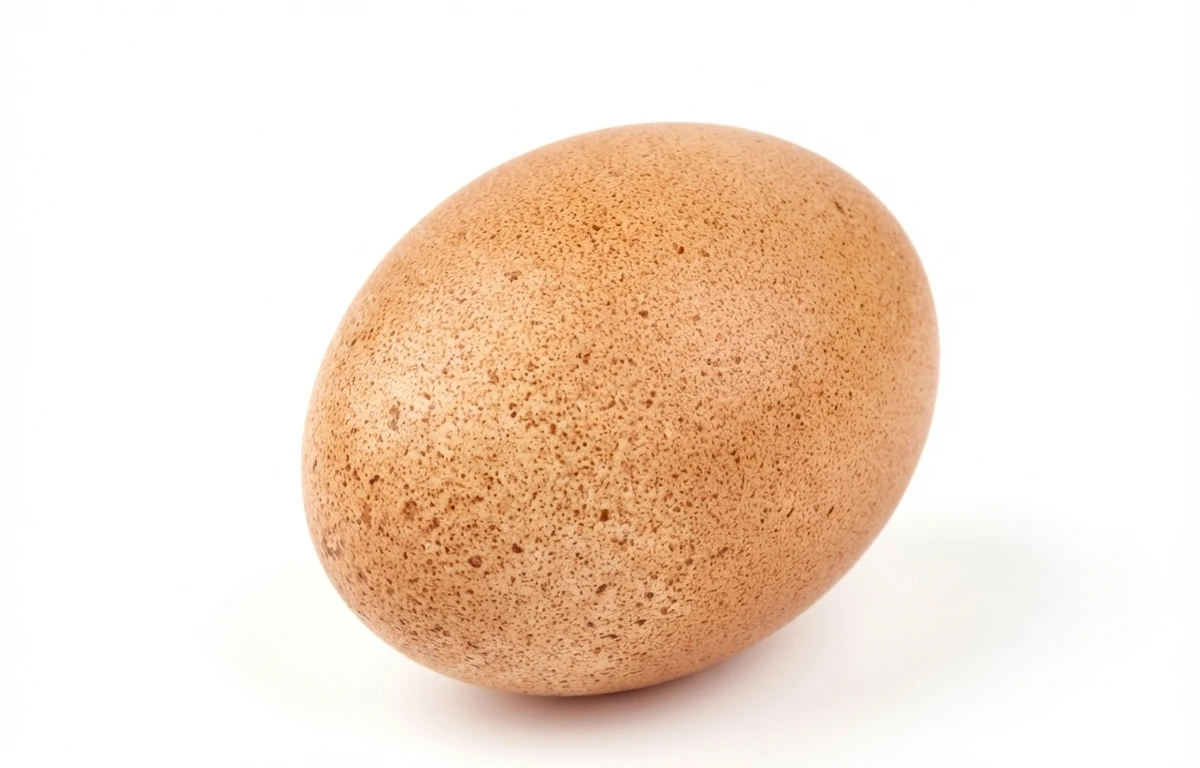
raw turkey egg.
VegetarianVeganGluten-freeDairy-freeNut-freePeanut-freeSoy-freeEgg-freeShellfish-freeHoney-freeAlcohol-free
ALSO KNOWN AS
turkey egg
SERVING
CALORIES
171
PROTEIN
13.7g
CARBS
1.1g
FAT
11.9g
FIBER
0g
NUTRITION PROFILE · per 100 g
Everything in this ingredient.
MACRONUTRIENTS
Calories171kcal—
Protein13.7g27%
Carbohydrates1.1g0%
Fiber0g0%
Sugar1.1g2%
Total fat11.9g15%
Saturated fat3.6g18%
Trans fat0g—
Cholesterol933mg311%
Water72.5g—
MINERALS
Sodium151mg7%
Potassium142mg3%
Calcium99mg8%
Iron4.1mg23%
Magnesium13mg3%
Phosphorus170mg14%
Zinc1.6mg14%
Copper0.06mg7%
Manganese0.04mg2%
Selenium34.3µg62%
VITAMINS
Vitamin A166µg18%
Vitamin C0mg0%
Vitamin D2.2µg11%
Vitamin E0.70mg5%
Vitamin K0.30µg0%
Thiamin (B1)0.11mg9%
Riboflavin (B2)0.47mg36%
Niacin (B3)0.08mg1%
Pantothenic acid (B5)1.9mg38%
Vitamin B60.13mg8%
Folate (B9)71µg18%
Vitamin B121.7µg70%
%DV based on a 2,000 cal diet. Source: USDA FoodData Central. A dash in the %DV column means there’s no established Daily Value for that nutrient.
MEASUREMENT CONVERSIONS
How much is what.
1 cup247.2g
1 tablespoon15.5g
1 teaspoon5.2g
1 oz28.4g
1 lb453.6g
1 ml1g
1 liter1030g
1 piece85g
HEALTH BENEFITS
Why eat it.
- ✓Excellent source of high-quality complete protein, essential for muscle building and repair.
- ✓Rich in choline, a nutrient vital for brain health, memory, and nervous system function.
- ✓High in Vitamin B12 and riboflavin, which are crucial for energy metabolism and red blood cell formation.
- ✓Contains significant amounts of selenium and Vitamin D, supporting immune function and bone health.
COOKING TIPS
In the kitchen.
- 1Due to their larger size (about 1.5 times a large chicken egg), substitute one turkey egg for 1-2 chicken eggs in recipes.
- 2The higher yolk-to-white ratio creates a richer, creamier texture, making them ideal for custards, quiches, and baked goods.
- 3When hard-boiling, cook for a longer duration than chicken eggs, typically 12-15 minutes after the water reaches a rolling boil.
- 4The shells are thicker and tougher than chicken egg shells, so crack them firmly on a flat surface rather than the edge of a bowl.
STORAGE
Keep it fresh.
- Refrigerate immediately at or below 40°F (4°C) in their original carton to protect them from damage and odor absorption.
- For optimal freshness and quality, consume within 3 to 4 weeks of the packing date.
- Store with the pointed end down to help keep the yolk centered and maintain quality.
FAQ
Frequently asked questions.
Are turkey eggs healthy?
Yes, turkey eggs are highly nutritious, providing 171 calories and 13.7g of protein per 100g. They are excellent sources of choline for brain health, Vitamin B12 for energy metabolism, and selenium for immune support.
How much protein is in a turkey egg?
A single turkey egg contains approximately 10 to 12 grams of protein, which is significantly more than a standard chicken egg due to its larger size. Per 100g, they offer 13.7g of high-quality complete protein essential for muscle repair.
Are turkey eggs keto-friendly?
Yes, turkey eggs are excellent for a ketogenic diet. They contain 11.9g of fat and only 1.15g of carbohydrates per 100g, providing a high-fat, low-carb profile that helps maintain ketosis.
What do turkey eggs taste like?
Turkey eggs taste very similar to chicken eggs but are often described as richer and creamier. This is because they have a higher yolk-to-white ratio and a slightly higher fat content than chicken eggs.
How do you cook turkey eggs?
You can prepare turkey eggs exactly like chicken eggs—fried, scrambled, poached, or hard-boiled. Note that because they are larger and have a tougher shell and membrane, they may require an extra minute or two of cooking time.
Can you eat turkey eggs raw?
While some use raw eggs in shakes or recipes, it is generally not recommended due to the risk of Salmonella. Cooking turkey eggs thoroughly ensures food safety and increases the bioavailability of certain nutrients.
How do turkey eggs compare in size to chicken eggs?
Turkey eggs are roughly 50% larger than a standard large chicken egg. They are characterized by a more pointed shape and a thicker, speckled shell that requires a bit more force to crack.
How long do turkey eggs last and how should they be stored?
Fresh turkey eggs can last 3 to 5 weeks when stored in the refrigerator. Keep them in their original carton in the main body of the fridge rather than the door to ensure a consistent temperature.
Are turkey eggs gluten-free?
Yes, turkey eggs are naturally gluten-free. They are a safe and nutrient-dense protein source for individuals with celiac disease or non-celiac gluten sensitivity.
Why are turkey eggs not as common as chicken eggs?
Turkeys lay eggs much less frequently than chickens, averaging only about two eggs per week. Additionally, turkeys require more space and feed before they begin laying, making the eggs more expensive and rarer in commercial markets.