Oil
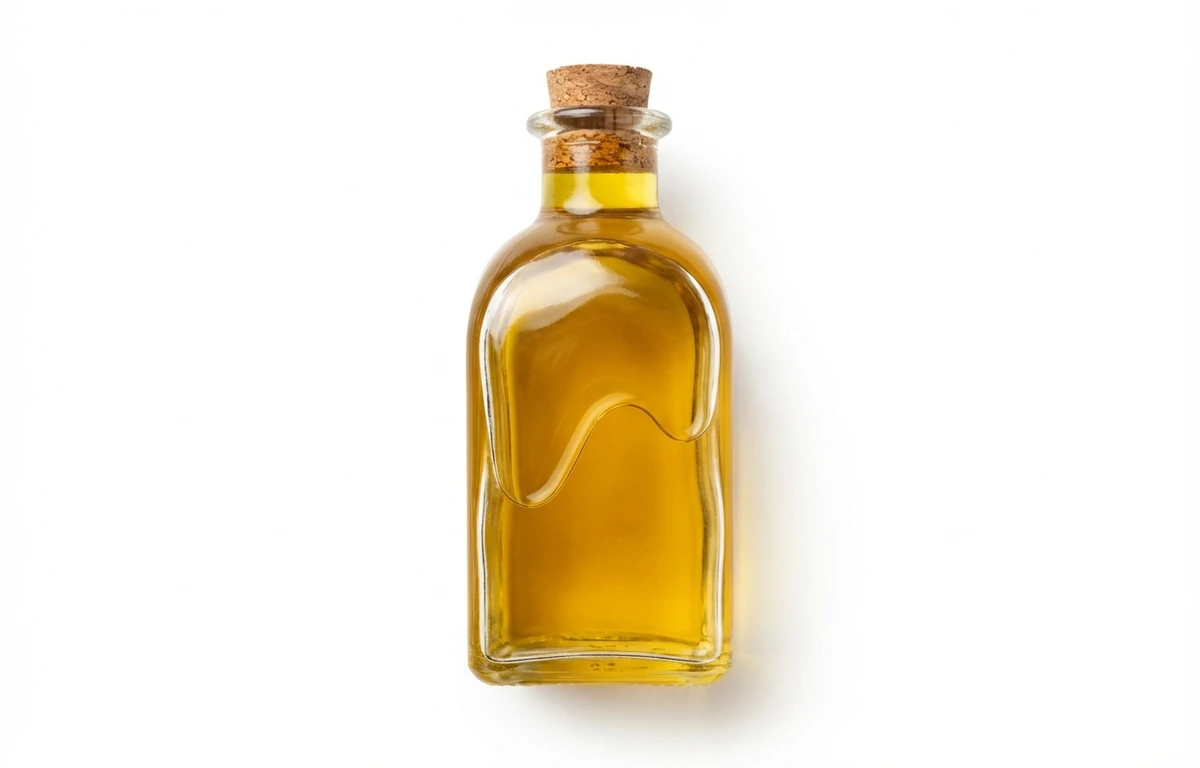
poppyseed oil.
VegetarianVeganGluten-freeDairy-freeNut-freePeanut-freeSoy-freeEgg-freeShellfish-freeHoney-freeAlcohol-free
SERVING
CALORIES
884
PROTEIN
0g
CARBS
0g
FAT
100g
FIBER
0g
NUTRITION PROFILE · per 100 g
Everything in this ingredient.
MACRONUTRIENTS
Calories884kcal—
Protein0g0%
Carbohydrates0g0%
Fiber0g0%
Sugar0g0%
Total fat100g128%
Saturated fat13.5g68%
Cholesterol0mg0%
Water0g—
MINERALS
Sodium0mg0%
Potassium0mg0%
Calcium0mg0%
Iron0mg0%
Magnesium0mg0%
Phosphorus0mg0%
Zinc0mg0%
Selenium0µg0%
VITAMINS
Vitamin A0µg0%
Vitamin C0mg0%
Vitamin E11.4mg76%
Thiamin (B1)0mg0%
Riboflavin (B2)0mg0%
Niacin (B3)0mg0%
Pantothenic acid (B5)0mg0%
Vitamin B60mg0%
Folate (B9)0µg0%
Vitamin B120µg0%
%DV based on a 2,000 cal diet. Source: USDA FoodData Central. A dash in the %DV column means there’s no established Daily Value for that nutrient.
MEASUREMENT CONVERSIONS
How much is what.
1 cup218g
1 tablespoon13.6g
1 teaspoon4.5g
1 ml0.9g
1 liter906.7g
HEALTH BENEFITS
Why eat it.
- ✓Rich in heart-healthy unsaturated fats, particularly linoleic acid (omega-6) and oleic acid (omega-9).
- ✓Contains Vitamin E, a powerful antioxidant that helps protect cells from oxidative damage.
- ✓Provides essential fatty acids that support skin health and help maintain the skin's natural barrier.
- ✓May possess anti-inflammatory properties due to its fatty acid profile.
COOKING TIPS
In the kitchen.
- 1Best used for cold applications like salad dressings, vinaigrettes, or as a finishing oil due to its low smoke point.
- 2Its delicate, nutty flavor is excellent for drizzling over pasta, grilled vegetables, or fish.
- 3Can be incorporated into baking recipes for cakes, muffins, and breads to add moisture and a subtle nutty taste.
- 4Avoid using for high-heat cooking methods like frying or sautéing, as it can burn and develop a bitter taste.
STORAGE
Keep it fresh.
- Store in a cool, dark place away from direct sunlight and heat to prevent rancidity.
- Once opened, keep the bottle tightly sealed and consider refrigerating to extend its shelf life, especially for cold-pressed varieties.
FAQ
Frequently asked questions.
Is poppyseed oil healthy?
Yes, poppyseed oil is considered healthy due to its high content of heart-healthy unsaturated fats, particularly linoleic acid (omega-6) and oleic acid (omega-9). It also contains Vitamin E, a powerful antioxidant that helps protect cells from oxidative damage. These components contribute to cardiovascular health and skin well-being.
What are the nutritional facts for poppyseed oil?
Per 100g, poppyseed oil contains 884 calories and 100g of fat. It has no protein or carbohydrates. Its fat content is primarily composed of beneficial unsaturated fatty acids, including essential omega-6 and omega-9.
Is poppyseed oil good for skin health?
Yes, poppyseed oil is beneficial for skin health. It provides essential fatty acids that support the skin's natural barrier and help maintain its moisture and elasticity. Its Vitamin E content also offers antioxidant protection, which can help protect skin cells from environmental damage.
Is poppyseed oil vegan?
Yes, poppyseed oil is vegan. It is derived solely from the seeds of the poppy plant and contains no animal products or by-products, making it suitable for a vegan diet.
Is poppyseed oil gluten-free?
Yes, poppyseed oil is naturally gluten-free. It is extracted from poppy seeds, which do not contain gluten, making it a safe option for individuals with celiac disease or gluten sensitivity.
How is poppyseed oil used in cooking?
Poppyseed oil has a delicate, nutty flavor, making it ideal for cold applications. It's excellent in salad dressings, marinades, and as a finishing oil drizzled over vegetables, pasta, or baked goods. Due to its relatively low smoke point, it is generally not recommended for high-heat cooking.
What does poppyseed oil taste like?
Poppyseed oil has a mild, pleasant, and distinctly nutty flavor, reminiscent of the poppy seeds themselves. It's often described as slightly sweet and delicate, making it a versatile addition to both sweet and savory dishes without overpowering other flavors.
How should I store poppyseed oil?
To maintain its freshness and prevent rancidity, poppyseed oil should be stored in a cool, dark place, away from direct sunlight and heat. Once opened, it's best to keep it refrigerated to significantly extend its shelf life and preserve its delicate flavor.
How long does poppyseed oil last?
Unopened and stored properly, poppyseed oil can last for up to 12-18 months. Once opened, its quality is best within 3-6 months, especially if refrigerated. Always check for any off odors or flavors, which indicate rancidity, before use.
Does poppyseed oil contain opiates?
While poppy seeds can contain trace amounts of opiate alkaloids, the oil extracted from them typically contains negligible to no detectable levels. The refining process further removes any potential residues, making poppyseed oil safe for consumption without psychoactive effects.