Oil
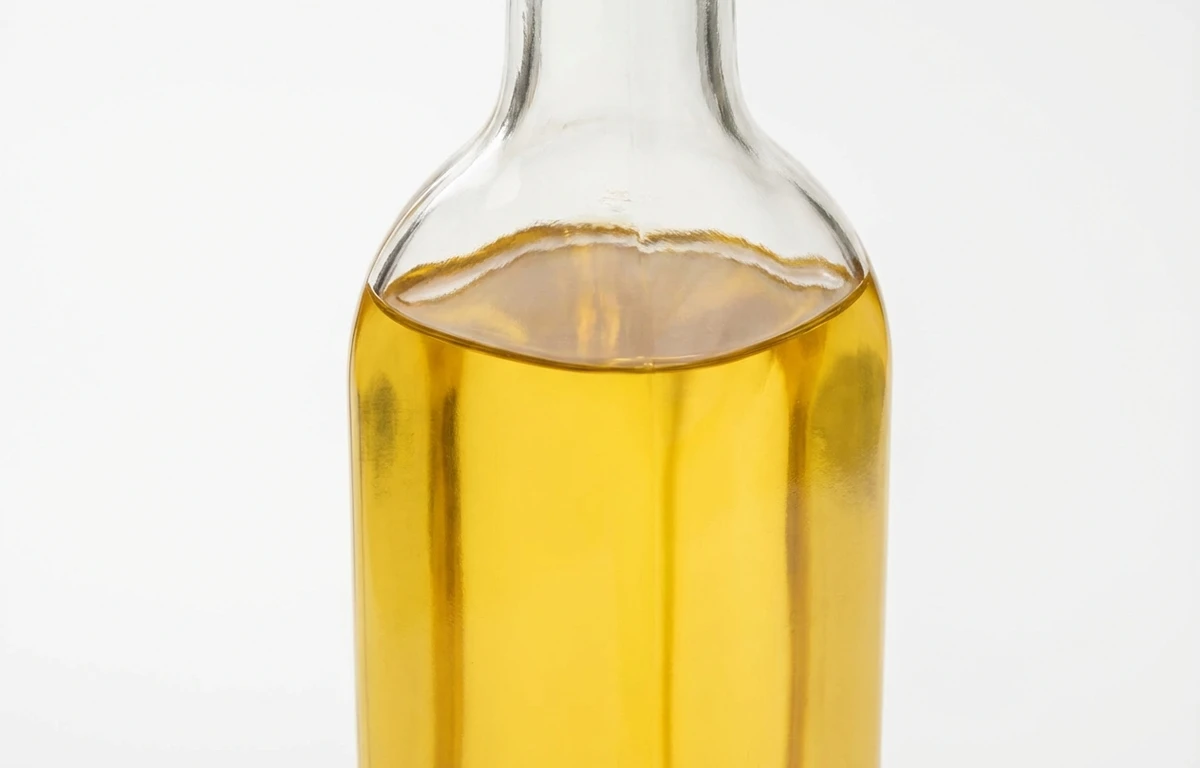
partially hydrogenated soybean oil.
VegetarianVeganGluten-freeDairy-freeNut-freePeanut-freeSoy-freeEgg-freeShellfish-freeHoney-freeAlcohol-free
SERVING
CALORIES
884
PROTEIN
0g
CARBS
0g
FAT
100g
FIBER
0g
NUTRITION PROFILE · per 100 g
Everything in this ingredient.
MACRONUTRIENTS
Calories884kcal—
Protein0g0%
Carbohydrates0g0%
Fiber0g0%
Sugar0g0%
Total fat100g128%
Saturated fat14.9g75%
Cholesterol0mg0%
Water0g—
MINERALS
Sodium0mg0%
Potassium0mg0%
Calcium0mg0%
Iron0mg0%
Magnesium0mg0%
Phosphorus0mg0%
Zinc0mg0%
Copper0mg0%
Selenium0µg0%
VITAMINS
Vitamin A0µg0%
Vitamin C0mg0%
Vitamin D0µg0%
Vitamin E8.1mg54%
Vitamin K24.7µg21%
Thiamin (B1)0mg0%
Riboflavin (B2)0mg0%
Niacin (B3)0mg0%
Pantothenic acid (B5)0mg0%
Vitamin B60mg0%
Folate (B9)0µg0%
Vitamin B120µg0%
%DV based on a 2,000 cal diet. Source: USDA FoodData Central. A dash in the %DV column means there’s no established Daily Value for that nutrient.
MEASUREMENT CONVERSIONS
How much is what.
1 cup218g
1 tablespoon13.6g
1 teaspoon4.5g
1 ml0.9g
1 liter906.7g
HEALTH BENEFITS
Why eat it.
- ✓No recognized health benefits; it is the primary source of artificial trans fats, which are widely considered harmful.
- ✓Its use has been largely banned or phased out in many countries due to strong evidence linking it to increased risk of heart disease.
- ✓Historically valued in food production for increasing shelf life and providing texture, not for nutritional benefit.
COOKING TIPS
In the kitchen.
- 1This ingredient is no longer recommended for use in cooking due to its high content of artificial trans fats.
- 2Historically, it was used in commercial baking for pastries and cookies to create a tender, flaky texture.
- 3It was also used for deep-frying because of its high smoke point and stability, but healthier oils are now preferred.
- 4If found in an old recipe, it can be replaced with solid fats like shortening (trans-fat-free versions), butter, or coconut oil, though textures may vary.
STORAGE
Keep it fresh.
- Store in a cool, dark, and dry place, away from direct sunlight and heat sources to prevent rancidity.
- Keep the container tightly sealed to minimize exposure to oxygen, which can degrade the oil over time.
FAQ
Frequently asked questions.
Is partially hydrogenated soybean oil healthy?
No, partially hydrogenated soybean oil is not considered healthy. It is the primary source of artificial trans fats, which are widely recognized as harmful to health and have no known nutritional benefits.
What are the health risks associated with consuming partially hydrogenated soybean oil?
Consuming partially hydrogenated soybean oil, due to its high trans fat content, significantly increases the risk of heart disease by raising LDL ("bad") cholesterol and lowering HDL ("good") cholesterol. It can also contribute to inflammation.
What is the nutritional content of partially hydrogenated soybean oil?
Per 100g, partially hydrogenated soybean oil contains approximately 884 calories and 100g of fat. It has no protein or carbohydrates. Its fat content includes significant amounts of artificial trans fats.
Is partially hydrogenated soybean oil vegan or gluten-free?
Yes, partially hydrogenated soybean oil is typically vegan as it's derived from plants (soybeans) and contains no animal products. It is also naturally gluten-free.
Why was partially hydrogenated soybean oil historically used in food products?
Historically, it was valued in food production for its ability to increase the shelf life of products and provide desirable texture and mouthfeel, particularly in baked goods, fried foods, and processed snacks, not for nutritional benefit.
Can I cook with partially hydrogenated soybean oil?
It is strongly recommended to avoid cooking with or consuming partially hydrogenated soybean oil due to its high artificial trans fat content and associated health risks. Opt for healthier oils like olive oil, canola oil, or unhydrogenated soybean oil instead.
Is partially hydrogenated soybean oil still used in foods today?
Its use has been largely banned or phased out in many countries, including the United States, due to strong evidence linking it to increased risk of heart disease. Food manufacturers have mostly reformulated products to remove it.
How can I identify partially hydrogenated soybean oil in ingredient lists?
Look for "partially hydrogenated soybean oil" or "partially hydrogenated oil" explicitly listed in the ingredients. Even if a product claims "0g trans fat," it can still contain small amounts if partially hydrogenated oils are present.
How should partially hydrogenated soybean oil be stored?
Like other oils, it should be stored in a cool, dark place away from direct sunlight and heat to prevent rancidity. However, given its health implications, the best advice is to avoid purchasing or storing it.
What is the difference between 'partially hydrogenated' and 'fully hydrogenated' soybean oil?
Partially hydrogenated soybean oil contains artificial trans fats, which are harmful. Fully hydrogenated soybean oil, on the other hand, contains very little to no trans fats and is primarily saturated fat, making it chemically different and less harmful than its partially hydrogenated counterpart, though still high in saturated fat.