Oil10 recipes
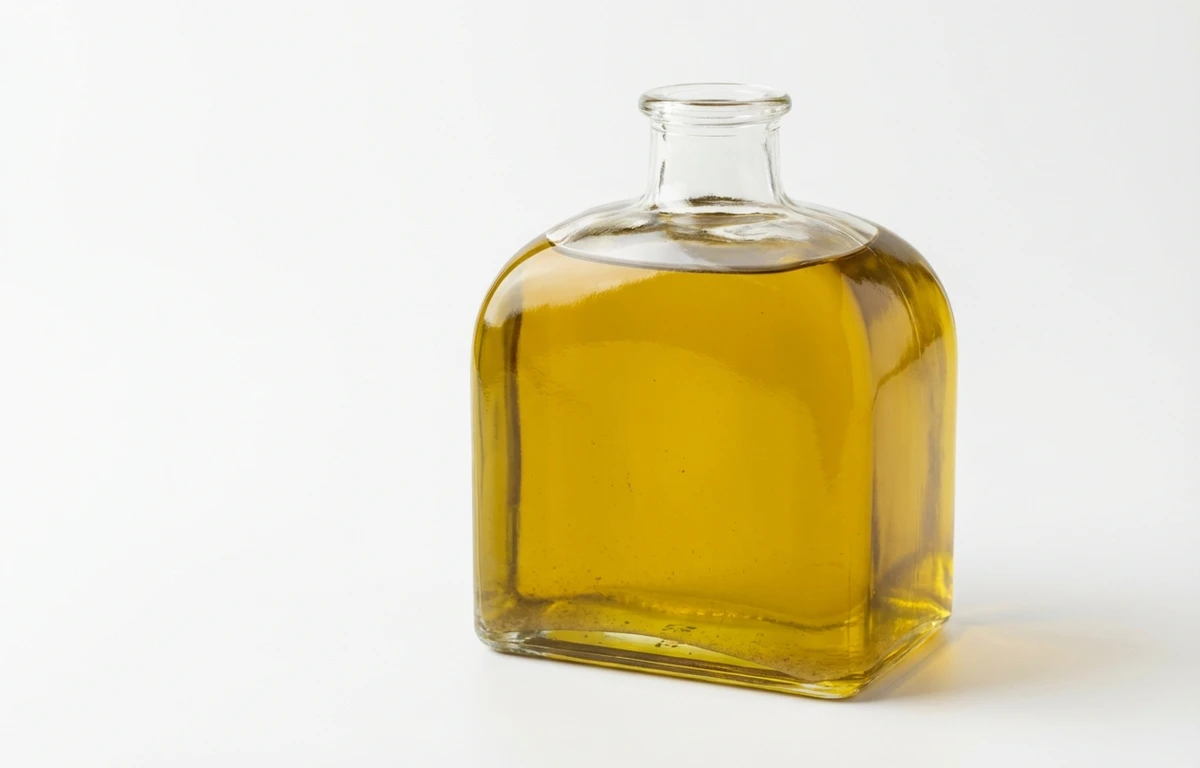
olive oil.
VegetarianVeganGluten-freeDairy-freeNut-freePeanut-freeSoy-freeEgg-freeShellfish-freeHoney-freeAlcohol-free
ALSO KNOWN AS
extra virgin olive oilEVOOzaitoon ka tel
SERVING
CALORIES
884
PROTEIN
0g
CARBS
0g
FAT
100g
FIBER
0g
NUTRITION PROFILE · per 100 g
Everything in this ingredient.
MACRONUTRIENTS
Calories884kcal—
Protein0g0%
Carbohydrates0g0%
Fiber0g0%
Sugar0g0%
Total fat100g128%
Saturated fat13.8g69%
Cholesterol0mg0%
Water0g—
MINERALS
Sodium2.0mg0%
Potassium1.0mg0%
Calcium1.0mg0%
Iron0.56mg3%
Magnesium0mg0%
Phosphorus0mg0%
Zinc0mg0%
Copper0mg0%
Manganese0mg0%
Selenium0µg0%
VITAMINS
Vitamin A0µg0%
Vitamin C0mg0%
Vitamin D0µg0%
Vitamin E14.3mg96%
Vitamin K60.2µg50%
Thiamin (B1)0mg0%
Riboflavin (B2)0mg0%
Niacin (B3)0mg0%
Pantothenic acid (B5)0mg0%
Vitamin B60mg0%
Folate (B9)0µg0%
Vitamin B120µg0%
%DV based on a 2,000 cal diet. Source: USDA FoodData Central. A dash in the %DV column means there’s no established Daily Value for that nutrient.
MEASUREMENT CONVERSIONS
How much is what.
1 cup216g
1 tablespoon14g
1 teaspoon4.5g
1 ml0.9g
1 liter900g
HEALTH BENEFITS
Why eat it.
- ✓Rich in monounsaturated fats, particularly oleic acid, which supports cardiovascular health by helping to lower bad (LDL) cholesterol.
- ✓Contains powerful antioxidants like polyphenols and vitamin E, which protect the body from cellular damage caused by free radicals.
- ✓Possesses anti-inflammatory properties, with the compound oleocanthal exhibiting effects similar to ibuprofen.
COOKING TIPS
In the kitchen.
- 1Use high-quality extra virgin olive oil for finishing dishes, dressings, and dips to appreciate its robust flavor and aroma.
- 2For sautéing and roasting at medium temperatures, use regular or 'light' olive oil, which has a higher smoke point than extra virgin varieties.
- 3When making vinaigrettes, slowly whisk the oil into vinegar or lemon juice to create a stable and creamy emulsion.
- 4Can be used in baking as a substitute for butter or other oils to add moisture and a subtle, fruity flavor to cakes and breads.
STORAGE
Keep it fresh.
- Store in a cool, dark place, such as a pantry or cupboard, away from direct sunlight and heat sources like the stove.
- Keep the cap tightly sealed to prevent oxidation from exposure to air, which can degrade the quality and flavor.
- For best quality, use within 3 to 6 months of opening the bottle.
FAQ
Frequently asked questions.
Is olive oil healthy?
Yes, olive oil is considered very healthy due to its high content of monounsaturated fats, particularly oleic acid, which supports cardiovascular health by helping to lower bad (LDL) cholesterol. It also contains powerful antioxidants like polyphenols and vitamin E, which protect the body from cellular damage, and has anti-inflammatory properties.
How much fat and calories are in olive oil?
Olive oil is 100% fat, with 100g containing 884 calories and 100g of fat. It contains no protein or carbohydrates. The fat is predominantly healthy monounsaturated fat.
Is olive oil good for heart health?
Absolutely. Olive oil, especially extra virgin, is renowned for its heart-healthy benefits. Its high concentration of monounsaturated fatty acids, particularly oleic acid, helps reduce LDL (bad) cholesterol levels and increase HDL (good) cholesterol, contributing to a lower risk of heart disease.
Is olive oil vegan and gluten-free?
Yes, olive oil is both vegan and naturally gluten-free. It is a plant-based product derived solely from olives, making it suitable for those following a vegan diet or avoiding gluten.
Can diabetics consume olive oil?
Yes, olive oil is highly recommended for individuals with diabetes. Its healthy fats can help improve insulin sensitivity and blood sugar control. It's a great alternative to less healthy fats and can be incorporated into a balanced diabetic diet.
What is the best way to cook with olive oil?
Extra virgin olive oil is best for dressings, finishing dishes, and low-to-medium heat cooking due to its lower smoke point and delicate flavor. Regular or 'light' olive oil has a higher smoke point and is more suitable for sautéing, roasting, and frying at higher temperatures.
What does extra virgin olive oil taste like?
Extra virgin olive oil can have a wide range of flavors, often described as fruity, peppery, or grassy. It may have notes of artichoke, almond, or tomato leaf, and a pleasant bitterness or pungency, especially in fresher, higher-quality oils.
How should I store olive oil to keep it fresh?
To maintain its quality, olive oil should be stored in a cool, dark place, away from direct sunlight and heat. An opaque bottle is ideal to protect it from light, which can cause it to degrade and go rancid faster. Avoid storing it near the stove.
How do I choose a good quality olive oil?
Look for 'extra virgin' on the label, which indicates the highest quality and least processed oil. Check for a harvest date (not just a best-by date) to ensure freshness, and opt for oils in dark glass bottles or tins to protect against light damage.
Does olive oil expire or go bad?
Yes, olive oil can go bad, meaning it can become rancid over time. While it doesn't spoil in the way dairy or meat does, its flavor and beneficial properties degrade. Properly stored, extra virgin olive oil typically lasts 18-24 months from the harvest date.
RECIPES
Cook with olive oil.
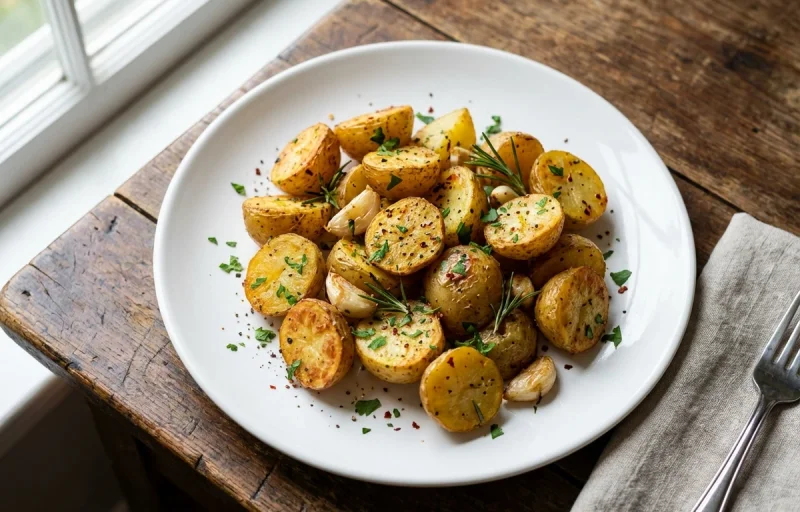
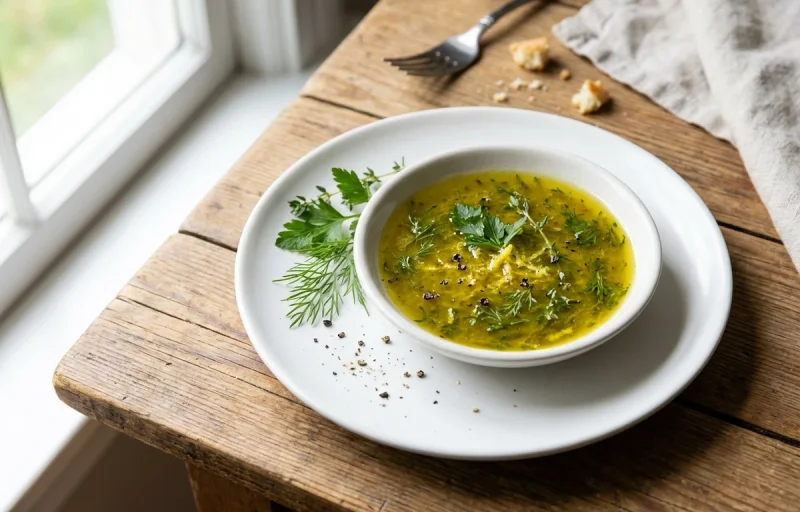
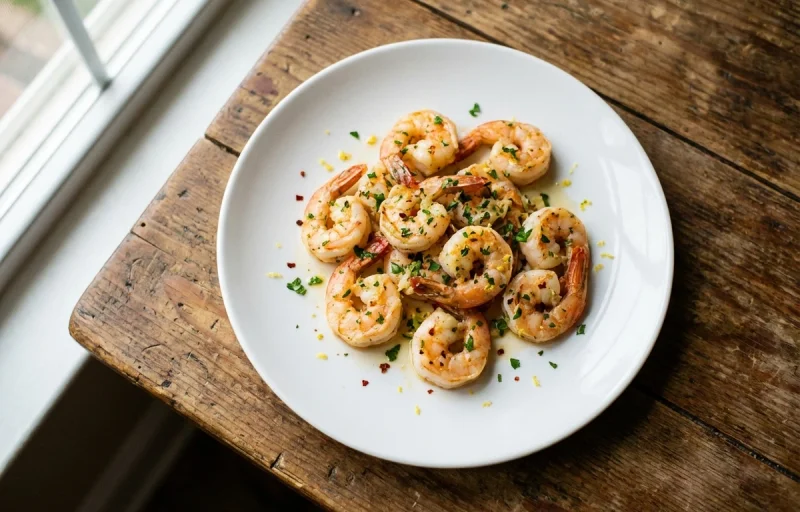
10 recipes · sorted by what’s quick