Dairy
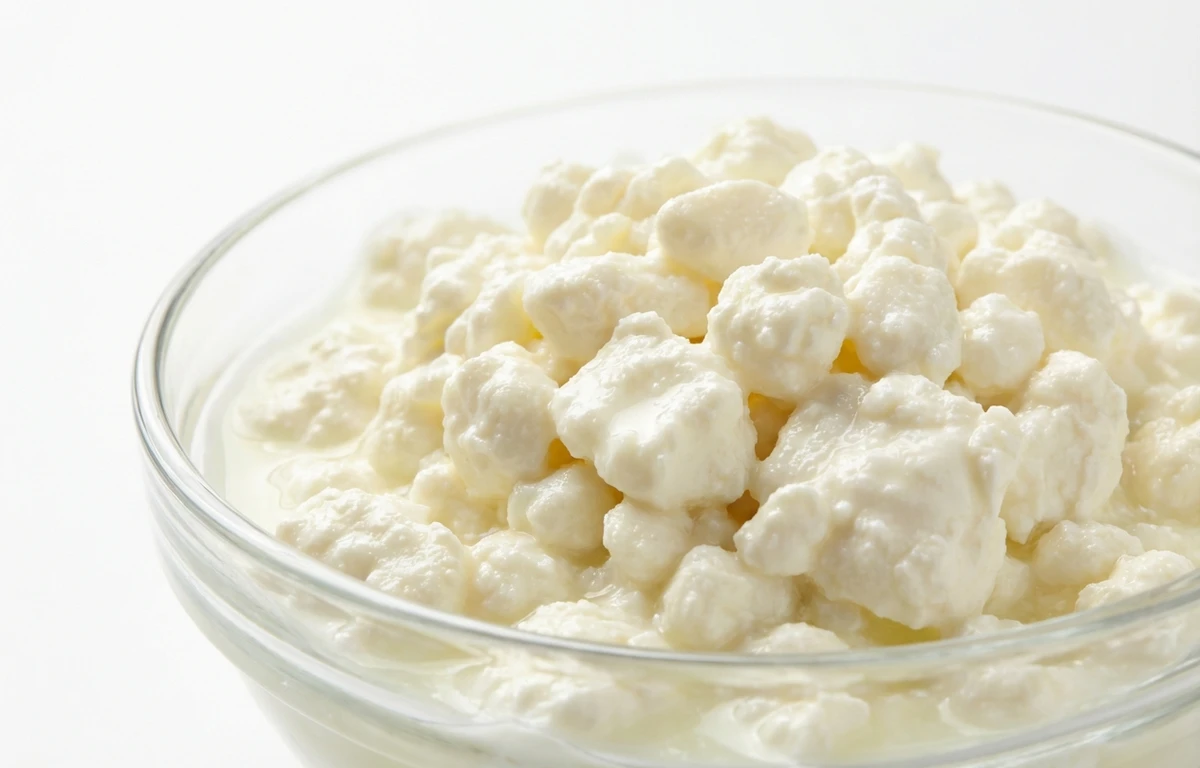
full fat cottage cheese.
VegetarianVeganGluten-freeDairy-freeNut-freePeanut-freeSoy-freeEgg-freeShellfish-freeHoney-freeAlcohol-freeFermented
SERVING
CALORIES
98
PROTEIN
11.1g
CARBS
3.4g
FAT
4.3g
FIBER
0g
NUTRITION PROFILE · per 100 g
Everything in this ingredient.
MACRONUTRIENTS
Calories98kcal—
Protein11.1g22%
Carbohydrates3.4g1%
Fiber0g0%
Sugar2.7g5%
Total fat4.3g6%
Saturated fat1.7g9%
Trans fat0.10g—
Cholesterol17mg6%
Water79.8g—
MINERALS
Sodium364mg16%
Potassium104mg2%
Calcium83mg6%
Iron0.10mg1%
Magnesium8.0mg2%
Phosphorus159mg13%
Zinc0.40mg4%
Copper0.03mg3%
Manganese0.01mg0%
Selenium9.7µg18%
VITAMINS
Vitamin A37µg4%
Vitamin C0mg0%
Vitamin D0.10µg1%
Vitamin E0.01mg0%
Vitamin K0.10µg0%
Thiamin (B1)0.02mg2%
Riboflavin (B2)0.16mg12%
Niacin (B3)0.10mg1%
Pantothenic acid (B5)0.53mg11%
Vitamin B60.05mg3%
Folate (B9)12µg3%
Vitamin B120.43µg18%
%DV based on a 2,000 cal diet. Source: USDA FoodData Central. A dash in the %DV column means there’s no established Daily Value for that nutrient.
MEASUREMENT CONVERSIONS
How much is what.
1 cup226g
1 tablespoon14.1g
1 teaspoon4.7g
1 ml0.9g
1 liter940g
HEALTH BENEFITS
Why eat it.
- ✓Rich in high-quality casein protein, which promotes muscle repair and satiety, aiding in weight management.
- ✓Excellent source of calcium and phosphorus, essential minerals for maintaining strong bones and teeth.
- ✓Contains selenium, a powerful antioxidant that supports immune function and thyroid health.
- ✓Full-fat versions provide conjugated linoleic acid (CLA), a fatty acid linked to potential metabolic benefits.
COOKING TIPS
In the kitchen.
- 1For a creamy, high-protein sauce or dip, blend cottage cheese until smooth. It can be a healthier substitute for sour cream or mayonnaise.
- 2Incorporate into baked goods like pancakes or muffins to increase moisture and protein content without significantly altering the flavor.
- 3Use as a substitute for ricotta cheese in dishes like lasagna or stuffed pasta for a similar texture with a higher protein profile.
- 4Fold into scrambled eggs just before they finish cooking for added creaminess and a protein boost.
STORAGE
Keep it fresh.
- Store in the refrigerator at or below 40°F (4°C) in its original, tightly sealed container.
- For best quality, consume within 5-7 days after opening. Do not freeze, as it will significantly alter the texture, making it watery and grainy.
FAQ
Frequently asked questions.
Is full-fat cottage cheese healthy?
Yes, full-fat cottage cheese is very healthy. It's an excellent source of high-quality casein protein, which supports muscle repair and satiety. It also provides essential minerals like calcium and phosphorus for bone health, and selenium for immune function. The full-fat version also contains beneficial conjugated linoleic acid (CLA).
How much protein is in full-fat cottage cheese?
100g of full-fat cottage cheese contains approximately 11.1g of protein. This makes it a significant protein source, especially for vegetarians, contributing to muscle maintenance and growth.
Is full-fat cottage cheese good for weight loss?
Yes, it can be. Its high protein content, particularly casein, promotes satiety and helps reduce overall calorie intake, which can aid in weight management. While it contains more fat and calories than low-fat versions, the healthy fats and protein can keep you feeling full longer.
Is full-fat cottage cheese suitable for a keto diet?
Full-fat cottage cheese can be included in a keto diet in moderation. With approximately 3.4g of carbs per 100g, it's relatively low-carb compared to many dairy products. Its higher fat content also aligns well with ketogenic principles, but portion control is key to stay within daily carb limits.
Is full-fat cottage cheese lactose-free?
No, full-fat cottage cheese is not lactose-free. As a dairy product, it contains lactose, though typically in lower amounts than milk due to the fermentation process. Individuals with severe lactose intolerance may still experience discomfort.
What does full-fat cottage cheese taste like and how can I use it?
Full-fat cottage cheese has a mild, slightly tangy, and creamy flavor with a lumpy texture. It's incredibly versatile: enjoy it plain, with fruit and nuts, as a savory topping for toast, or mixed into scrambled eggs. It can also be used as a base for dips or dressings.
Can full-fat cottage cheese be cooked or baked?
Yes, full-fat cottage cheese can be cooked and baked. It's often used in casseroles, lasagna, pancakes, or even baked goods like cheesecakes for added moisture and protein. Its curds soften when heated, creating a creamy texture.
How should I store full-fat cottage cheese and how long does it last?
Store full-fat cottage cheese in its original sealed container in the refrigerator at 40°F (4°C) or below. Once opened, consume it within 5-7 days for best quality and safety. Always check the 'best by' date on the packaging.
Can I freeze full-fat cottage cheese?
While technically possible, freezing full-fat cottage cheese is not recommended for maintaining its texture. Freezing can alter its consistency, making it more watery and grainy upon thawing. It's best consumed fresh.
What's the difference between full-fat and low-fat cottage cheese?
The primary difference lies in the fat content and, consequently, the calorie count. Full-fat cottage cheese contains around 4.3g of fat per 100g, offering a richer flavor and texture, and potentially more beneficial CLA. Low-fat versions have significantly less fat and fewer calories, but may lack some of the richness.