Egg
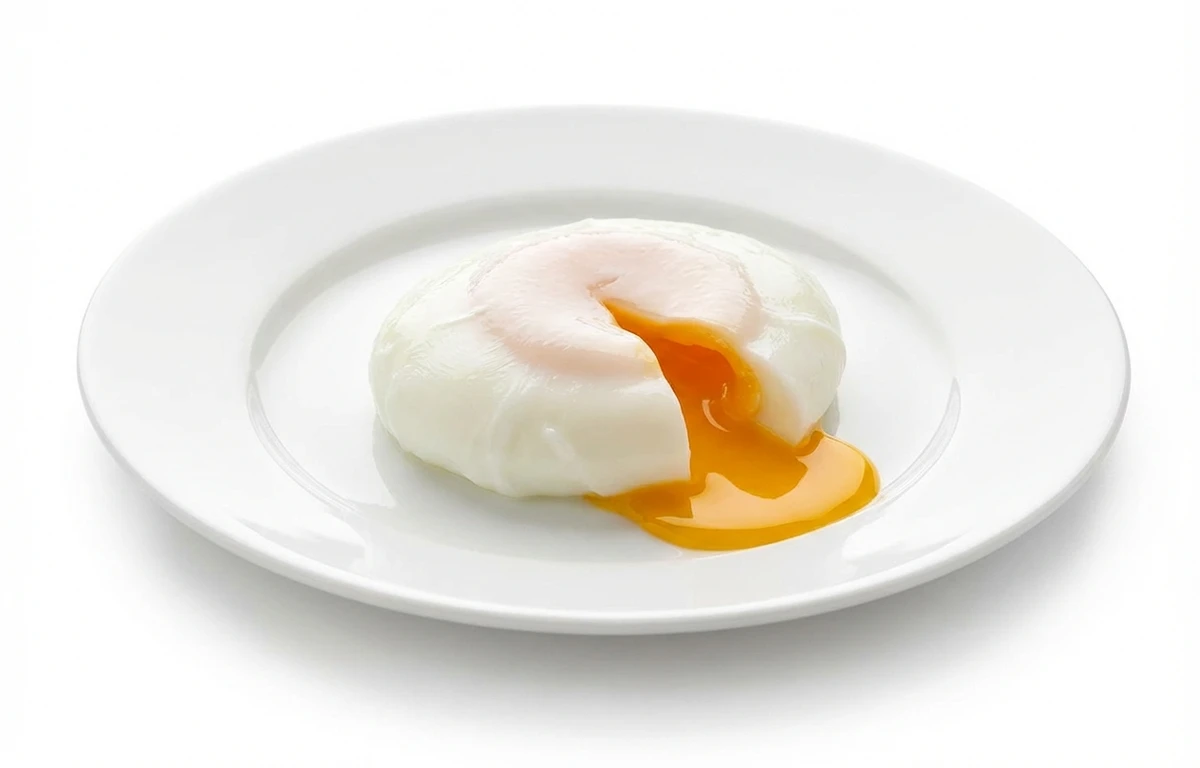
cooked poached egg.
VegetarianVeganGluten-freeDairy-freeNut-freePeanut-freeSoy-freeEgg-freeShellfish-freeHoney-freeAlcohol-free
ALSO KNOWN AS
poached egg
SERVING
CALORIES
143
PROTEIN
12.5g
CARBS
0.71g
FAT
9.5g
FIBER
0g
NUTRITION PROFILE · per 100 g
Everything in this ingredient.
MACRONUTRIENTS
Calories143kcal—
Protein12.5g25%
Carbohydrates0.71g0%
Fiber0g0%
Sugar0.37g1%
Total fat9.5g12%
Saturated fat3.1g16%
Trans fat0.04g—
Cholesterol370mg123%
Water75.8g—
MINERALS
Sodium297mg13%
Potassium138mg3%
Calcium56mg4%
Iron1.8mg10%
Magnesium12mg3%
Phosphorus197mg16%
Zinc1.3mg12%
Copper0.07mg8%
Manganese0.03mg1%
Selenium30.6µg56%
VITAMINS
Vitamin A160µg18%
Vitamin C0mg0%
Vitamin D2.0µg10%
Vitamin E1.0mg7%
Vitamin K0.30µg0%
Thiamin (B1)0.03mg3%
Riboflavin (B2)0.39mg30%
Niacin (B3)0.06mg0%
Pantothenic acid (B5)1.5mg31%
Vitamin B60.14mg8%
Folate (B9)35µg9%
Vitamin B120.71µg30%
%DV based on a 2,000 cal diet. Source: USDA FoodData Central. A dash in the %DV column means there’s no established Daily Value for that nutrient.
HEALTH BENEFITS
Why eat it.
- ✓Excellent source of high-quality complete protein, essential for muscle repair and growth.
- ✓Rich in choline, a nutrient vital for brain health, memory, and nervous system function.
- ✓Contains antioxidants lutein and zeaxanthin, which support eye health and may reduce the risk of age-related macular degeneration.
- ✓Provides a good source of Vitamin D and B12, important for bone health and red blood cell formation, respectively.
COOKING TIPS
In the kitchen.
- 1Use the freshest eggs possible, as they have firmer whites that hold their shape better during poaching.
- 2Add a teaspoon of vinegar (white or apple cider) to the simmering water to help the egg whites coagulate more quickly.
- 3Create a gentle vortex in the water with a spoon before sliding the cracked egg into the center. This helps the white wrap around the yolk.
- 4Maintain a gentle simmer, not a rolling boil. Water temperature should be around 180-190°F (82-88°C) to cook the egg gently without breaking it apart.
STORAGE
Keep it fresh.
- Best consumed immediately after cooking for optimal texture and flavor.
- If necessary, store in a shallow, airtight container in the refrigerator at or below 40°F (4°C) and consume within 2 days.
FAQ
Frequently asked questions.
Is a poached egg healthy?
Yes, poached eggs are highly nutritious as they are cooked in water without added fats like butter or oil. They are an excellent source of high-quality protein, choline for brain health, and antioxidants like lutein and zeaxanthin which support eye health.
How much protein is in a poached egg?
A single large poached egg contains approximately 6 grams of protein, while 100g of poached eggs provides 12.51g of protein. This makes them a complete protein source, containing all essential amino acids necessary for muscle growth and repair.
Is a poached egg good for weight loss?
Poached eggs are excellent for weight loss because they are nutrient-dense and high in protein, which helps increase satiety and reduce overall calorie intake. At only 143 calories per 100g, they provide a filling meal option without the extra fat found in fried eggs.
Is a poached egg keto-friendly?
Yes, poached eggs are very keto-friendly as they contain only 0.71g of carbohydrates per 100g. Their high protein and moderate fat content (9.47g per 100g) make them a staple for low-carb and ketogenic diets.
Are poached eggs vegetarian?
Poached eggs are considered ovo-vegetarian, meaning they are suitable for vegetarians who include eggs in their diet. However, they are not vegan as they are an animal-derived product.
How do you cook a perfect poached egg?
Bring a pot of water to a gentle simmer with a splash of vinegar, then crack a fresh egg into a small bowl. Create a gentle whirlpool in the water, slide the egg in, and cook for 3 to 4 minutes until the whites are set but the yolk is still runny.
What does a poached egg taste like?
A poached egg has a mild, clean flavor compared to fried eggs because it isn't cooked with oil. The texture is characterized by a soft, delicate white and a rich, creamy, liquid yolk that acts as a natural sauce for other ingredients.
Can you store poached eggs for later?
Yes, you can poach eggs in advance by placing them in an ice water bath immediately after cooking. Store them in a container of cold water in the refrigerator for up to 2 days, then reheat them in simmering water for about 1 minute when ready to serve.
Is it safe to eat the runny yolk in a poached egg?
For most healthy adults, runny yolks are safe to eat, especially when using fresh, high-quality eggs. However, individuals with compromised immune systems, the elderly, or pregnant women are generally advised to cook eggs until both the white and yolk are firm to avoid the risk of Salmonella.
How do you know if a poached egg is fresh?
A fresh egg will have a firm white that stays together in the water, whereas an older egg will have thinner whites that spread out into 'wisps.' You can also check freshness before cooking by seeing if the egg sinks in a bowl of water; if it floats, it is no longer fresh.