Beverage
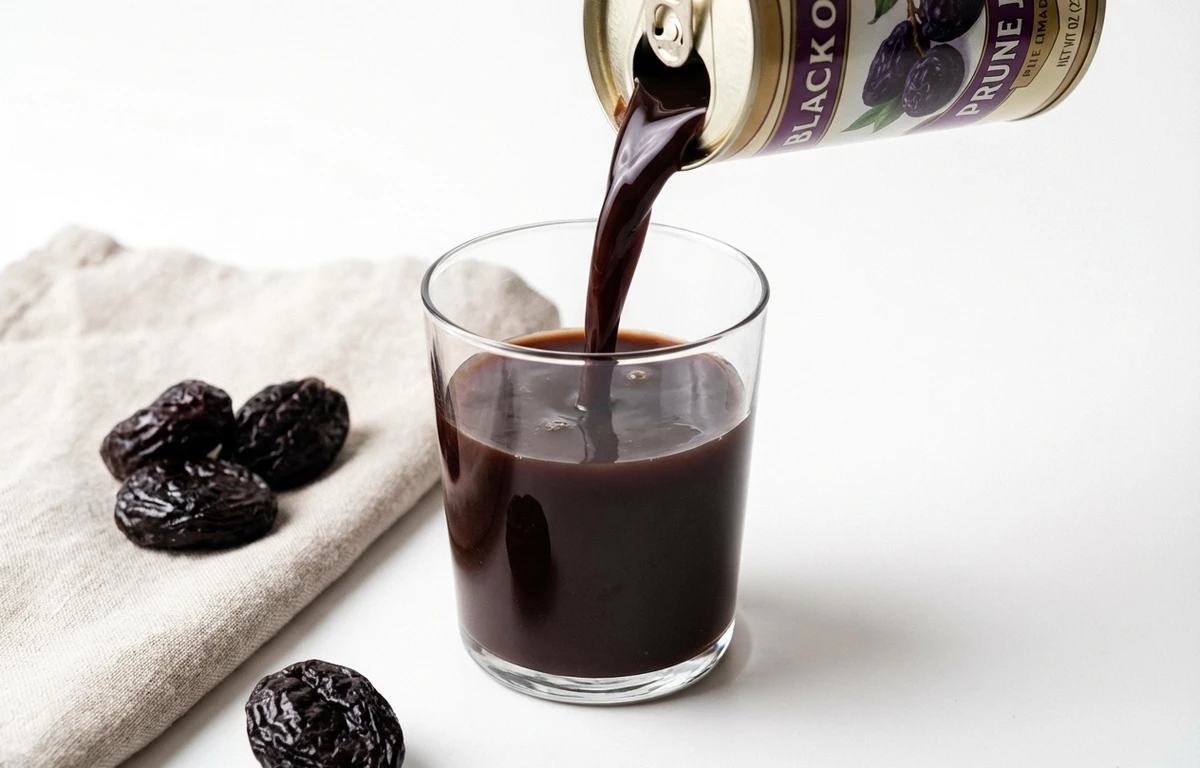
canned prune juice.
VegetarianVeganGluten-freeDairy-freeNut-freePeanut-freeSoy-freeEgg-freeShellfish-freeHoney-freeAlcohol-free
SERVING
CALORIES
71
PROTEIN
0.61g
CARBS
17.4g
FAT
0.03g
FIBER
1.0g
NUTRITION PROFILE · per 100 g
Everything in this ingredient.
MACRONUTRIENTS
Calories71kcal—
Protein0.61g1%
Carbohydrates17.4g6%
Fiber1.0g4%
Sugar16.4g33%
Total fat0.03g0%
Saturated fat0g0%
Trans fat0g—
Cholesterol0mg0%
Water81.2g—
MINERALS
Sodium4.0mg0%
Potassium276mg6%
Calcium12mg1%
Iron1.2mg7%
Magnesium14mg3%
Phosphorus25mg2%
Zinc0.21mg2%
Copper0.07mg8%
Manganese0.15mg7%
Selenium0.60µg1%
VITAMINS
Vitamin A0µg0%
Vitamin C4.1mg5%
Vitamin D0µg0%
Vitamin E0.12mg1%
Vitamin K3.4µg3%
Thiamin (B1)0.02mg2%
Riboflavin (B2)0.07mg5%
Niacin (B3)0.79mg5%
Pantothenic acid (B5)0.11mg2%
Vitamin B60.22mg13%
Folate (B9)0µg0%
Vitamin B120µg0%
%DV based on a 2,000 cal diet. Source: USDA FoodData Central. A dash in the %DV column means there’s no established Daily Value for that nutrient.
MEASUREMENT CONVERSIONS
How much is what.
1 cup256g
1 tablespoon16g
1 teaspoon5.3g
1 ml1.1g
1 liter1066.7g
HEALTH BENEFITS
Why eat it.
- ✓Aids in relieving constipation due to its high sorbitol and fiber content, acting as a natural laxative.
- ✓Supports bone health by providing key nutrients like vitamin K and boron, which can help improve bone density.
- ✓Rich in antioxidants, such as phenolic compounds, which help protect cells from damage by free radicals.
- ✓May help manage blood pressure due to its high potassium content, which counteracts the effects of sodium.
COOKING TIPS
In the kitchen.
- 1Use as a fat substitute in baking; replace up to half the butter or oil in recipes for dark-colored baked goods like brownies or spice cakes to add moisture and reduce fat.
- 2Incorporate into savory marinades and glazes for meats like pork, chicken, or duck, as its natural sweetness balances well with savory and acidic ingredients.
- 3Add to smoothies for a natural sweetener and a boost of fiber and nutrients.
- 4Simmer down to create a rich, sweet-and-sour sauce for braised dishes or to serve alongside roasted vegetables.
STORAGE
Keep it fresh.
- Store unopened cans or bottles in a cool, dark, and dry place like a pantry for up to 18-24 months.
- Once opened, refrigerate the juice in a sealed container and consume within 7 to 10 days for optimal freshness and safety.
FAQ
Frequently asked questions.
Is canned prune juice healthy?
Yes, canned prune juice is highly nutritious, offering 71 calories per 100g. It is a rich source of antioxidants, potassium for heart health, and essential nutrients like vitamin K and boron which support bone density.
How does prune juice help with constipation?
Prune juice acts as a natural laxative due to its high content of sorbitol and dietary fiber. Sorbitol is a sugar alcohol that draws water into the intestines, softening the stool and promoting regular bowel movements.
Is canned prune juice high in sugar?
Prune juice contains approximately 17.45g of carbohydrates per 100g, primarily from natural fruit sugars. While it usually contains no added sugars, its natural sugar content is concentrated, so it should be consumed in moderation by those monitoring blood glucose.
Is canned prune juice keto-friendly?
No, canned prune juice is not keto-friendly. With over 17g of carbohydrates per 100g, even a small serving can significantly impact your daily carb limit and potentially kick you out of ketosis.
Is canned prune juice vegan and gluten-free?
Yes, canned prune juice is naturally vegan and gluten-free. It is made from dried plums and water, making it safe for individuals with celiac disease or those following a plant-based lifestyle.
How much prune juice should I drink daily?
For digestive health, most experts recommend starting with 4 to 8 ounces (120-240ml) per day. Because of its potent laxative effects, it is best to start with a smaller amount to gauge your body's tolerance.
Can I use prune juice in cooking or baking?
Absolutely. Prune juice can be used as a natural sweetener in smoothies, a moisture-adding ingredient in cakes and muffins, or as a base for savory glazes and marinades for meats like pork and poultry.
How should I store canned prune juice after opening?
Once opened, transfer the juice from the metal can into a sealable glass or plastic container. Store it in the refrigerator and consume it within 7 to 10 days for optimal freshness.
How can I tell if canned prune juice has gone bad?
Signs of spoilage include a sour or fermented odor, the presence of mold, or an unusually fizzy texture. If the original can was bulging or leaking before opening, the juice should be discarded immediately.
Does canned prune juice help with blood pressure?
Yes, the high potassium content in prune juice helps manage blood pressure by counteracting the negative effects of sodium. This helps to ease tension in your blood vessel walls, supporting overall cardiovascular health.