Dairy4 recipes
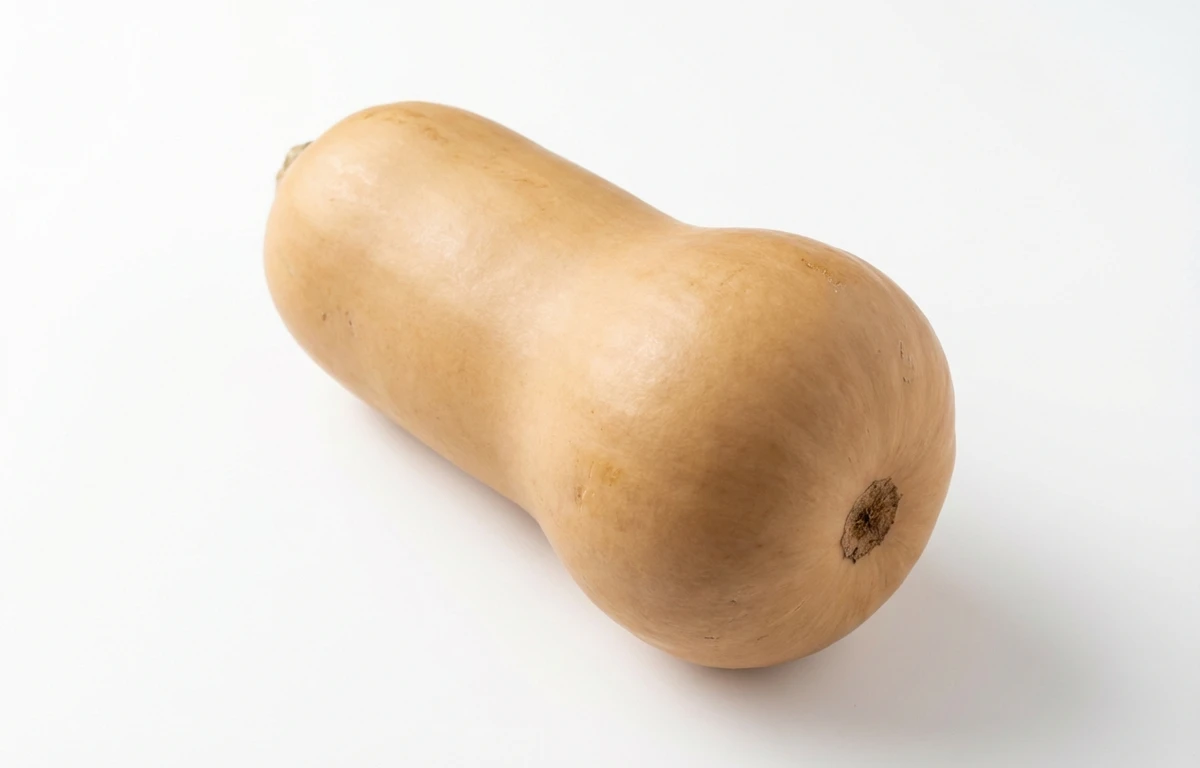
butternut squash.
VegetarianVeganGluten-freeDairy-freeNut-freePeanut-freeSoy-freeEgg-freeShellfish-freeHoney-freeAlcohol-freeHalalKosher
ALSO KNOWN AS
butternut
SERVING
CALORIES
45
PROTEIN
1.0g
CARBS
11.7g
FAT
0.10g
FIBER
2.0g
NUTRITION PROFILE · per 100 g
Everything in this ingredient.
MACRONUTRIENTS
Calories45kcal—
Protein1.0g2%
Carbohydrates11.7g4%
Fiber2.0g7%
Sugar2.2g4%
Total fat0.10g0%
Saturated fat0.02g0%
Trans fat0g—
Cholesterol0mg0%
Water86.4g—
MINERALS
Sodium4.0mg0%
Potassium352mg7%
Calcium48mg4%
Iron0.70mg4%
Magnesium34mg8%
Phosphorus33mg3%
Zinc0.15mg1%
Copper0.07mg8%
Manganese0.20mg9%
Selenium0.50µg1%
VITAMINS
Vitamin A532µg59%
Vitamin C21mg23%
Vitamin D0µg0%
Vitamin E1.4mg10%
Vitamin K1.1µg1%
Thiamin (B1)0.10mg8%
Riboflavin (B2)0.02mg2%
Niacin (B3)1.2mg8%
Pantothenic acid (B5)0.40mg8%
Vitamin B60.15mg9%
Folate (B9)27µg7%
Vitamin B120µg0%
%DV based on a 2,000 cal diet. Source: USDA FoodData Central. A dash in the %DV column means there’s no established Daily Value for that nutrient.
MEASUREMENT CONVERSIONS
How much is what.
1 cup140g
1 tablespoon8.8g
1 teaspoon2.9g
1 ml0.6g
1 liter583.3g
1 piece800g
HEALTH BENEFITS
Why eat it.
- ✓Rich in Vitamin A (from beta-carotene), which supports vision health and immune function.
- ✓High in antioxidants like carotenoids, which help protect cells from damage.
- ✓Good source of dietary fiber, promoting digestive health and satiety.
- ✓Contains significant amounts of Vitamin C, essential for skin health and the immune system.
COOKING TIPS
In the kitchen.
- 1For easier peeling, pierce the skin with a fork and microwave for 2-3 minutes to soften the rind.
- 2Roasting enhances its natural sweetness; cut in half, scoop out seeds, brush with oil, and bake at 400°F (200°C) until tender.
- 3Boil or steam chunks until soft, then blend into a creamy, dairy-free soup or puree.
- 4The seeds can be cleaned, tossed with oil and salt, and roasted for a nutritious snack.
STORAGE
Keep it fresh.
- Store whole, uncut butternut squash in a cool, dark place (50-60°F or 10-15°C) for up to 3 months.
- Once cut, store pieces in an airtight container in the refrigerator for up to 5 days.
FAQ
Frequently asked questions.
Is butternut squash healthy?
Yes, butternut squash is highly nutritious and low in calories, providing only 45 calories per 100g. It is exceptionally rich in Vitamin A (via beta-carotene) for eye health and Vitamin C for immune support. Its high antioxidant content also helps protect cells from oxidative stress.
Is butternut squash good for weight loss?
Butternut squash is an excellent food for weight management because it is low in fat and high in dietary fiber. The fiber content promotes satiety, helping you feel full longer, while its natural sweetness can satisfy cravings without the high calorie count of processed snacks.
Is butternut squash keto-friendly?
Butternut squash is moderately high in carbohydrates, containing about 11.7g of carbs per 100g. While it is healthier than refined starches, it may be too high in carbs for a strict ketogenic diet. It is best consumed in small, measured portions if you are tracking net carbs closely.
Is butternut squash vegan and gluten-free?
Yes, butternut squash is a naturally vegan and gluten-free vegetable. It is a whole plant food that fits into almost any dietary restriction, including Paleo, Whole30, and Mediterranean diets.
What does butternut squash taste like?
Butternut squash has a sweet, nutty flavor that is often compared to a cross between a pumpkin and a sweet potato. When roasted, its texture becomes creamy and smooth, and its natural sugars caramelize to create a rich, savory-sweet profile.
How do you cook butternut squash?
The most popular method is roasting diced cubes at 400°F (200°C) with olive oil and salt for 25-30 minutes. It can also be halved and roasted to make purees, boiled for soups, or even grated raw into salads and slaws.
Do you need to peel butternut squash?
While the skin is technically edible, it is quite tough and usually removed for a better culinary experience. You can use a heavy-duty vegetable peeler to remove the skin before dicing, or roast the squash in its skin and scoop the soft flesh out afterward.
How do you store butternut squash?
Whole butternut squash should be stored in a cool, dry, and dark place like a pantry, where it can last for 1 to 3 months. Once cut, the squash should be stored in an airtight container in the refrigerator and used within 4 to 5 days.
How do you know if butternut squash has gone bad?
A fresh squash should feel heavy and have a firm, matte skin without soft spots or bruises. If you see liquid leaking from the skin, or if the internal flesh is mushy, slimy, or develops a pungent odor, the squash has spoiled and should be discarded.
Can you eat the seeds of a butternut squash?
Yes, the seeds are edible and very nutritious. Similar to pumpkin seeds, they can be cleaned of pulp, tossed with oil and spices, and roasted in the oven until crunchy for a high-fiber, protein-rich snack.
RECIPES
Cook with butternut squash.
4 recipes · sorted by what’s quick